

Maddy summarySB 709 repeals specific exemptions in West Virginia law that allowed the Department of Transportation, Tax Division, and Bureau for Social Services to operate under separate personnel rules. The bill removes these exemptions, requiring all three agencies to follow the standard personnel procedures managed by the Division of Personnel. This change means these departments will now use the same hiring, compensation, and personnel management systems as other state agencies. The bill directly affects state employees in these three departments by bringing their human resources processes under unified state oversight.
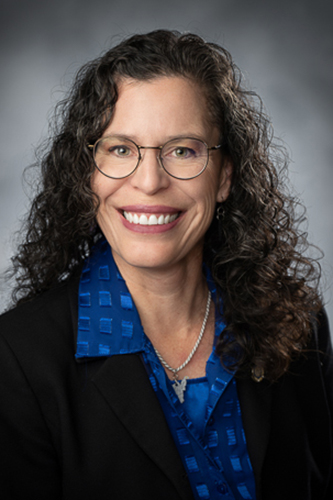
Sen. Patricia Rucker
Sponsored bills
Maddy summaryThis Senate Resolution (SR 22) commemorates the 175th anniversary of Wheeling Hospital in Wheeling, West Virginia, recognizing its status as the state's longest continually operating hospital since its founding in 1850. The resolution honors the hospital's historical milestones, including its founding by Bishop Richard Whelan, its role during public health crises (like the 1918 flu and COVID-19), and its integration into WVU Medicine in 2021. It extends formal appreciation to the Diocese of Wheeling-Charleston and WVU Medicine for their ongoing support. As a non-binding resolution, it has no policy impact but serves as a ceremonial acknowledgment of the hospital's community service. The resolution was unanimously adopted by the Senate on March 12, 2025.
Maddy summaryThis bill repeals specific sections of West Virginia law (§5A-3A-1 through §5A-3A-6) that established the Central Nonprofit Coordinating Agency and the Committee for the Purchase of Commodities and Services from the Handicapped. It removes state requirements mandating that government agencies prioritize purchasing goods or services from vendors employing people with disabilities. The bill terminates the committee and agency responsible for overseeing these purchasing provisions, effectively ending this specific procurement framework. This is a procedural repeal with no new policy or funding changes.
Maddy summarySB 689, the State Sovereignty Act of 2025, prohibits West Virginia state and local governments (including counties, cities, school districts, and water districts) from enforcing or collaborating on mandates from the World Health Organization (WHO), United Nations (UN), or World Economic Forum (WEF). The bill explicitly states these international entities have "no jurisdiction" in West Virginia and bans state entities from using their requirements as a legal basis for action, including mandates related to masks, vaccines, medical testing, or data collection about residents. It declares any such mandates issued by these organizations "shall have no force or effect" within the state. This bill directly affects how West Virginia localities interact with international health and economic policies but does not alter existing state laws.
Maddy summaryThis West Virginia bill (SB 297) requires most health insurance plans to cover intravenous immunoglobulin (IVIG) therapy for children diagnosed with specific conditions: pediatric autoimmune neuropsychiatric disorders associated with streptococcal infections (PANDAS) and pediatric acute onset neuropsychiatric syndrome (PANS). Insurers must cover this treatment only after a physician obtains prior authorization by confirming all other treatments have been exhausted. The requirement applies to all private insurance plans, Medicaid, and public employee health plans issued or renewed after January 1, 2026 (with public employee plans effective July 1, 2026). It directly affects families seeking coverage for these complex neurological conditions and insurers providing pediatric care.
Maddy summarySJR 6 is a proposed constitutional amendment (not a bill) that would eliminate West Virginia's tax on business inventory, including raw materials, work-in-process, and finished goods held for sale or manufacturing. This change would directly affect businesses (reducing their tax burden) and local governments (counties, municipalities, school districts), which would lose revenue from this tax. The amendment requires the state legislature to provide alternative funding to replace lost revenue for impacted communities, ensuring no net fiscal harm to local governments. It must be ratified by voters in the 2026 general election to take effect.
Maddy summarySB 614 would allow West Virginia pharmacists to sell Ivermectin for human use without a prescription once the federal Food and Drug Administration (FDA) approves it for over-the-counter sale. The bill requires pharmacists to provide the FDA-approved patient information sheet at the time of sale and eliminates the need for a pharmacist consultation. It also protects pharmacists and healthcare providers from liability or disciplinary action for dispensing or recommending Ivermectin under these conditions, provided they act in good faith and follow applicable laws. This change would directly affect patients seeking Ivermectin and pharmacists operating in West Virginia.
Maddy summarySenate Bill 694 prohibits state agency employees (except law enforcement officers acting in their official capacity) from using or downloading social media, applications, or AI tools owned by entities in designated "foreign countries of concern" on state-owned or leased devices. It bans access to websites of such foreign-owned platforms and prohibits the use of any software or AI algorithms from these entities. Exceptions include written waivers approved by the Secretary of State for specific job duties. The bill directly affects all state agency staff using government devices and aims to prevent foreign entities from accessing state systems or citizen data through these technologies.
Maddy summarySB 610 would exempt overtime pay earned under West Virginia's existing overtime law from state personal income tax. Specifically, it adds a provision to the tax code stating that overtime compensation paid in accordance with §21-5C-3 (the state's overtime requirements) is not subject to income tax. This change directly affects workers who receive legally mandated overtime pay from their employers. The bill does not alter overtime work rules but changes how that specific income is taxed. It applies only to overtime covered by current state law, not all overtime earnings.
Maddy summaryThis resolution requests West Virginia's Joint Committee on Government and Finance to study substance use disorder across the state. The committee must examine current public health initiatives, identify gaps in prevention and treatment services, evaluate existing programs, and analyze impacts on populations like rural communities and veterans. The study will result in recommendations and draft legislation for the 2026 legislative session, with costs covered by the committee's budget. It does not enact new policy but directs a review to inform future actions.