

Maddy summaryThis bill establishes mandatory Medicaid program requirements for West Virginia, directly affecting Medicaid enrollees including adults, children, and individuals receiving coverage under the Children’s Health Insurance Program. Key provisions include implementing a work requirement by January 1, 2027; prohibiting Medicaid use by undocumented residents starting October 1, 2026; requiring biannual eligibility verification; ending multi-state enrollment; removing deceased members quarterly; reducing error rates to 3% by 2028; and limiting retroactive eligibility to 30-60 days. The bill aligns West Virginia’s Medicaid program with federal requirements under the One Big Beautiful Bill Act (OBBBA), mandating the Bureau for Medical Services to seek necessary federal authority to implement these changes. It also requires Medicaid waivers to be budget neutral and amends specific taxes related to managed care and providers.
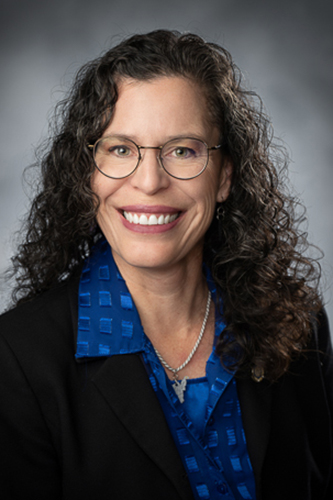
Sen. Patricia Rucker
Sponsored bills
Maddy summarySenate Bill 730 requires West Virginia's Bureau for Family Assistance to meet two specific program standards by January 1, 2027: (1) reduce its error rate in processing applications to 6% or below, and (2) block individuals living in the U.S. illegally from receiving supplemental nutrition benefits. The bill directly affects the Bureau’s operations and applicants seeking nutrition assistance. It aims to align the state’s program with federal requirements, as noted in the bill’s purpose statement. The provisions focus on operational accuracy and eligibility verification for nutrition benefits.
Maddy summarySB 731 removes hepatitis-B and meningitis vaccines from West Virginia's mandatory school immunization requirements for students entering public, private, or parochial schools and state-regulated child care centers. The bill amends West Virginia Code §16-3-4 to delete these two vaccines from the list of required immunizations, which previously included chickenpox, measles, mumps, and others. This change aligns with updated Centers for Disease Control and Prevention recommendations that no longer include hepatitis-B and meningococcal meningitis vaccines in the standard childhood schedule. The policy directly affects all students seeking enrollment in schools or childcare centers across West Virginia.
Maddy summarySB 698 amends West Virginia law to permit specific FDA-approved food dyes (FD&C Blue No. 1, Blue No. 2, Green No. 3, Red No. 3, Red No. 40, Yellow No. 5, and Yellow No. 6) in dietary supplements. This directly affects dietary supplement manufacturers in West Virginia by allowing them to use these colorings, which were previously restricted under state law. The bill updates the definition of "adulterated food" to explicitly permit these dyes in supplements as defined by federal law (21 U.S.C. § 231(ff)). It aligns state regulations with federal standards for these ingredients, ensuring consistency for manufacturers operating in West Virginia. The change takes effect January 1, 2028.
Maddy summarySB 699 exempts common carriers and contract carriers transporting solid waste for commercial or industrial customers from certain state transportation regulations. It specifically applies to waste haulers moving solid waste from business locations to disposal or recycling facilities, excluding residential waste collection. The exemption does not remove all requirements; these carriers must still comply with state safety and insurance rules set by the transportation commission. This bill directly affects business waste hauling companies operating within West Virginia.
Maddy summaryThis is a symbolic resolution honoring Jeff and Jim Kochenderfer as West Virginia's Outstanding Tree Farmers of the Year. It recognizes their 28-year stewardship of 223 acres of forestland in Randolph and Tucker counties, including restoring degraded land, implementing sustainable practices, and hosting educational tours for woodland owners. The resolution has no policy impact - it is purely a ceremonial honor with no funding, regulations, or direct effect on laws or individuals. It was adopted by the Senate via voice vote on February 2, 2026.
Maddy summaryThis Senate Resolution (SR 23) designates February 2, 2026, as "Future Farmers of America Day" at the West Virginia Legislature. It recognizes the history and impact of the National FFA Organization, including its founding in 1928 and its current role serving over 7,489 students across 91 agricultural education programs in West Virginia. The resolution has been adopted by the Senate and directs the Clerk to send a copy to the West Virginia Farm Bureau. It is a ceremonial resolution with no new policy or funding provisions.
Maddy summarySB 680 would repeal West Virginia's personal income tax and corporate net income tax. It directly affects all West Virginia residents (who pay personal income tax) and corporations operating in the state (which pay corporate net income tax). The bill eliminates these taxes for income earned after January 1, 2028, while requiring collection of existing tax liabilities for years ending before December 31, 2027. The repeal takes effect July 1, 2026, with the State Tax Commissioner managing final filings and refunds for prior tax years.
Maddy summarySB 681 would allow localities (like towns, cities, or counties) contiguous to West Virginia's borders to join the state. To qualify, these areas must hold a binding referendum requiring majority voter approval, pay a $1 per capita tax to West Virginia based on the latest U.S. Census, and gain legislative approval through a simple majority vote in the state legislature. The bill also requires voter approval in the next general election for final admission, sets procedures for tax collection starting July 1, and provides transition periods for licensing and government compliance. This bill directly affects contiguous localities seeking state admission and outlines the formal process for their integration into West Virginia's governmental and fiscal systems.
Maddy summarySB 679 prevents minors from being prosecuted for prostitution if a court determines they are victims of human trafficking under West Virginia law. The bill amends existing statutes to explicitly state that no minor shall face criminal charges for prostitution offenses when the court finds they are victims of trafficking. This directly affects minors exploited in commercial sexual activity, ensuring they are treated as victims rather than criminals. The key mechanism requires a court to determine victim status before immunity applies, removing a barrier to support services and legal protection. The bill focuses on clarifying legal protections for vulnerable minors without changing penalties for traffickers.