

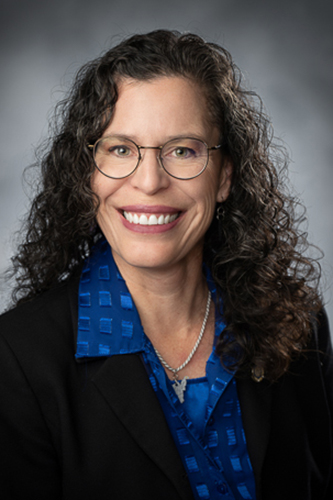
Photo of Patricia Rucker
R West Virginia Senate · District 16

Sen. Patricia Rucker

Compare
Total votes
4,371
all sessions
Attendance
96%
174 missed
Higher than 80% of chamber peers
With party
98%
of cast votes
Near the chamber average
Bipartisan score
1%
crosses aisle rarely
Near the chamber average
Sponsored
1,515
bills & resolutions
Higher than 97% of chamber peers
Committees
13
assignments
1,515 bills and resolutions

Sponsored bills

Total
1,515
Primary
629
Co-sponsor
886
This page
1,515
matching current filters
Co-sponsor SB 30
Passed · West Virginia Senate · Co-sponsor
Allowing 18 to 20-year-olds to carry concealed weapon without permit

Maddy summarySB 30 (West Virginia) removes the requirement for 18- to 20-year-olds to obtain a permit to carry a concealed weapon. The bill repeals prior restrictions that mandated permits for this age group and explicitly states that individuals aged 18-20 may carry concealed deadly weapons without a license, except when prohibited by other laws. Key exceptions remain in place, such as for carrying on personal property, transporting unloaded firearms from purchase to home, or during lawful hunting. The law clarifies that 18-20-year-olds are not subject to the "carrying without a license" crime under specific circumstances. This directly affects young adults in West Virginia who wish to carry concealed weapons without state-issued permits.

Passed Feb 12, 2026 1 co-sponsor
Co-sponsor SR 33
Passed · West Virginia Senate · Co-sponsor
Designating February 11, 2026, as WV Arts Day

Maddy summaryThis Senate Resolution (SR 33) designates February 11, 2026, as "West Virginia Arts Day" at the Legislature. It symbolically recognizes the importance of arts and culture across the state, acknowledging support from the West Virginia Department of Tourism, State Arts Office, and Commission on the Arts. The resolution encourages all citizens to celebrate arts and culture and directs the Senate Clerk to forward a copy to the Department of Tourism. As a ceremonial resolution, it has no binding policy impact or funding changes - it serves solely to honor the arts' role in West Virginia's communities, economy, and education.

Passed Feb 11, 2026 1 co-sponsor
Co-sponsor SB 921
In committee · West Virginia Senate · Co-sponsor
Prohibiting Medicaid from being used for abortions or gender reassignment surgery

Maddy summarySB 921 prohibits West Virginia Medicaid from funding abortions (except as allowed under existing law) or gender transition procedures. It disqualifies healthcare providers performing these services from participating in Medicaid and bans Medicaid payments for referrals related to them. The bill defines "public funds" broadly to include state and federal healthcare funds and allows lawsuits by affected individuals or the Attorney General to enforce these restrictions. It directly affects Medicaid recipients seeking these services and healthcare providers who perform them.

In committee Feb 11, 2026 1 co-sponsor
Primary SB 912
In committee · West Virginia Senate · Lead sponsor
Removing sales tax for food bought in vending machines

Maddy summarySB 912 would remove the 6% state sales tax on prepared food purchased from vending machines and money-operated machines in West Virginia, effective January 1, 2027. This change applies specifically to food sold through these machines (like snacks or meals), meaning consumers would pay no sales tax on such purchases and businesses operating the machines would not collect the tax. The bill amends West Virginia's tax code (§11-15-3) to explicitly exclude this category of food from the standard sales tax rate. It does not affect tax on food sold in stores, restaurants, or other retail settings.

In committee Feb 11, 2026 0 co-sponsors
Co-sponsor SB 910
In committee · West Virginia Senate · Co-sponsor
Removing unintended limitation on excused absences for students in certain extracurriculars

Maddy summaryThis bill removes a 10-absence limit for students participating in approved extracurricular and educational activities, such as SkillsUSA, FBLA, 4-H, or FFA programs. To qualify, activities must be pre-approved by a school principal, have parental consent, and be verified as educational by a teacher or sponsor. Students may miss school for these activities without the absence counting toward the yearly 10-absence cap, though they must still make up missed work without grade penalties. It directly affects students in recognized programs, parents, and school administrators who manage attendance policies.

In committee Feb 11, 2026 1 co-sponsor
Co-sponsor SB 797
In committee · West Virginia Senate · Co-sponsor
Continuing of independent living and transitional support services for youth

Maddy summaryThis bill creates a structured support system for West Virginia youth aging out of foster care (typically 18-21 years old). It requires the Department of Human Services to develop a three-phase living arrangement system (supervised independent living, scattered-site housing, and supportive independent living) plus mandatory life skills training in housing, employment, and education. Funding will use per diem rates designed to maximize federal reimbursement, include annual cost-of-living adjustments, and provide monthly stipends to youth for basic living costs. The system must incorporate input from former foster youth, providers, and community partners, with annual reporting on outcomes like housing stability and employment.

In committee Feb 11, 2026 1 co-sponsor
Primary SB 254
In committee · West Virginia Senate · Lead sponsor
Board of Risk and Insurance Management rule relating to public entities insurance program

Maddy summarySB 254 authorizes West Virginia's Board of Risk and Insurance Management to implement and enforce a specific administrative rule (115 CSR 02) governing the state's public entities insurance program. This rule applies directly to public entities like counties, municipalities, school districts, and other government bodies that purchase insurance through the program. The bill formally approves a revised version of the rule, which was modified to address committee feedback after its initial filing. This is a procedural authorization, not a new policy change, ensuring the existing insurance program rules remain legally valid.

In committee Feb 11, 2026 0 co-sponsors
Primary SB 252
In committee · West Virginia Senate · Lead sponsor
Office of Technology rule relating to cyber reporting

Maddy summaryThis bill authorizes the Office of Technology to implement a legislative rule about cyber reporting requirements, specifically referencing the rule filed as "163 CSR 03" in the State Register. The rule was previously modified to address legislative committee feedback and refiled on August 14, 2025. It directly affects entities required to report cyber incidents under this rule, such as state agencies or technology providers. The bill itself does not create new requirements but formally approves the existing rule for implementation.

In committee Feb 11, 2026 0 co-sponsors
Primary SB 253
In committee · West Virginia Senate · Lead sponsor
Board of Risk and Insurance Management rule relating to mine subsidence insurance

Maddy summaryThis bill authorizes the Board of Risk and Insurance Management to promulgate a legislative rule regarding mine subsidence insurance, specifically referencing the existing regulatory code (115 CSR 01). It formally approves a rule that was previously filed and modified after addressing committee feedback. The bill does not create new insurance requirements or alter coverage terms - it only validates the board's authority to issue the rule. This is a procedural measure affecting the regulatory process, not the insurance policies themselves.

In committee Feb 11, 2026 0 co-sponsors
Primary SB 255
In committee · West Virginia Senate · Lead sponsor
Board of Risk and Insurance Management rule relating to Preferred Medical Liability and High Risk Medical Liability Program

Maddy summaryThis bill authorizes West Virginia's Board of Risk and Insurance Management to create and implement specific rules for the Preferred Medical Liability and High Risk Medical Liability Programs. It formally approves a previously drafted rule (115 CSR 06) that governs these programs, which directly affect healthcare providers and insurers participating in the state's medical liability system. The rule establishes guidelines for how these programs operate, including coverage standards and administrative processes. This is a procedural authorization - no new policy changes are created, only the formal approval of an existing rule.

In committee Feb 11, 2026 0 co-sponsors
Showing 101 to 110 of 1,515 bills
Previous 1 … 10 11 12 … 152 Next