

Maddy summaryThis bill removes the existing exception that allowed abortions for victims of rape or incest in West Virginia. Previously, adults could obtain abortions within 8 weeks of pregnancy (and minors within 14 weeks) if they reported the assault to police and met specific documentation requirements. The bill deletes this exception from §16-2R-3, meaning rape and incest cases can no longer qualify for abortion under this provision. Now, all abortions must meet the stricter "medical emergency" standard (which excludes psychological conditions), effectively eliminating a legal pathway for victims seeking abortion care.
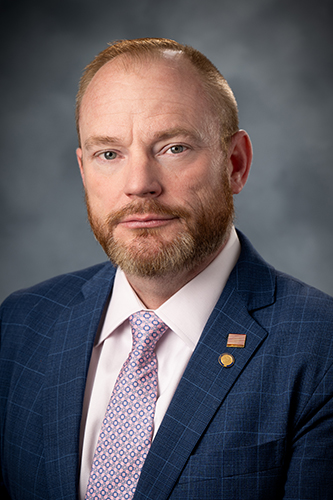
Rep. Chris Anders
Sponsored bills
Maddy summaryHB 2691 would allow public school teachers and employees with a valid concealed carry permit to carry a concealed firearm on school grounds. This change specifically applies to employees of public schools and public charter schools who meet state concealed carry requirements. The bill requires firearms to remain concealed at all times while on school property and does not alter the general prohibition on firearms for other individuals or open carry.
Maddy summaryHB 2673 would require a criminal conviction (a guilty verdict) before law enforcement can seize an individual's property through civil asset forfeiture. This bill amends West Virginia's asset forfeiture laws to eliminate the current practice of taking property without a criminal conviction, directly affecting individuals whose property might be seized (e.g., cash, vehicles, real estate) and law enforcement agencies. Key provisions include requiring notice to all property owners, holding prompt post-seizure hearings, and protecting innocent owners from losing property. The bill also adds safeguards like mandatory receipts for seized items and limits on how long property can be held as evidence.
Maddy summaryHB 2601 would exempt motor vehicles (such as cars and trucks) from West Virginia's personal property tax, a tax currently levied on most vehicles owned by residents. This change would directly affect vehicle owners who currently pay this annual tax, removing it from their financial obligation. The bill amends West Virginia Code §11-3-9 to add motor vehicles to the existing list of property exempt from personal property tax. This is a policy change that alters the tax base for vehicles, not a procedural or commemorative measure.
Maddy summaryHB 2611 would allow towns, cities, counties, or other local areas bordering West Virginia to join the state through a defined process. It requires a binding local referendum on the next general election date, followed by a simple majority vote in the West Virginia Legislature and final voter approval at the next general election. If approved, the Secretary of State would notify Congress and the Post Master General within seven days, update tax collection procedures (with a grace period for new residents), and provide administrative support for local governments and businesses. The bill directly affects border communities seeking statehood, establishing a clear pathway for their admission while ensuring a six-month transition for professional licensing and tax compliance.
Maddy summaryHB 2600 would exempt active and volunteer firefighters in West Virginia from paying state income taxes and real and personal property taxes. The bill amends existing tax exemption laws (§11-3-9) to add firefighters to the list of groups already exempt from these taxes, such as churches, schools, and fire department equipment. This change would directly affect all eligible firefighters by reducing their personal tax burden. The bill does not specify implementation details but would require legislative approval to take effect. (Note: Bill introduced February 19, 2025, currently in the House Finance Committee.)
Maddy summaryHB 2599 would abolish West Virginia's personal income tax for tax years beginning in 2026 and later. This bill removes the tax requirement on individual income, estates, and trusts for all taxpayers subject to the current tax under state law. The change is implemented by amending the state tax code to eliminate the tax provision entirely, meaning residents and nonresidents who currently pay the tax would no longer owe it starting in 2026. The bill does not specify how the state would replace the lost revenue from this tax.
Maddy summaryHJR 21 proposes a constitutional amendment requiring a two-thirds vote in both the West Virginia House and Senate to pass any bill that imposes a new tax, creates a new license fee, or increases an existing tax or fee rate. This would directly affect the legislative process for tax-related bills, making it harder to pass such measures without broad bipartisan support. The amendment includes one exception: a simple majority vote could approve a tax or fee increase solely to pay state debt interest or principal when due. The bill does not apply to taxes or fees already authorized before the amendment's ratification. If approved by voters in 2026, this would change how West Virginia handles tax legislation.
Maddy summaryHB 2550 clarifies that defendants in West Virginia municipal court are entitled to a trial by jury only if charged with an offense carrying potential jail time or fines exceeding $5,000. This directly affects individuals facing minor municipal court charges, such as traffic violations or low-level misdemeanors with fines of $5,000 or less, as they will no longer automatically qualify for a jury trial. The bill modifies existing law to establish this clear threshold, ensuring jury trials are reserved for more serious cases. It does not alter other municipal court procedures, such as background checks for judges or continuing education requirements.
Maddy summaryHB 2539 would provide a 25% discount on lodging and services at West Virginia State Parks for residents who present a valid West Virginia driver's license or state ID card. The bill directly affects West Virginia residents seeking to use state park facilities, requiring documented residency to qualify for the reduced fees. It amends state code to mandate this discount through the director of state parks, applying only to fees for lodging and services exclusively used by residents. The bill was introduced on February 18, 2025, and referred to the House Finance Committee, but has not yet been enacted into law.