

Maddy summaryHB 5500 exempts open-top farm vehicles transporting hay, straw, silage, and other natural farm products between farms from penalties for load escape. It specifically applies to vehicles carrying loose, bio-degradable materials that pose no environmental hazard (like fall foliage), but excludes fully loaded vehicles with large bales that could cause injury if dislodged. The bill requires farmers to obtain special permits for these vehicles and limits their speed to 45 mph when hauling materials prone to blowing away. This change directly affects farmers using open-top transport for agricultural products, removing fines for incidental escape while maintaining safety standards.
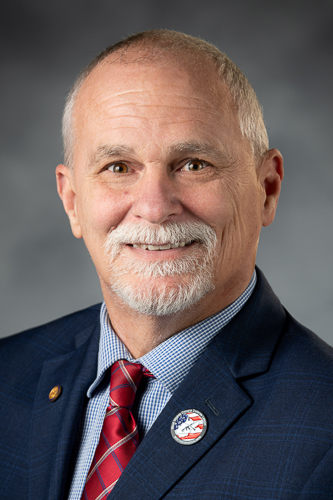
Rep. Chuck Horst
Sponsored bills
Maddy summaryHB 4003 creates the WV First Small Business Growth Act, offering tax credits to investors who fund certified "growth funds" that invest in eligible West Virginia small businesses. The program, administered by the West Virginia Department of Commerce, provides a 15% annual tax credit (after the first two years) against insurance premium taxes for qualified investments. To qualify, growth funds must use 100% of investment proceeds within three years to make "qualified investments" in businesses with fewer than 250 employees operating primarily in West Virginia. This directly affects growth investors (who receive tax credits), growth funds (which must be certified), and eligible small businesses receiving capital.
Maddy summaryHB 5234 requires voters returning absentee ballots by mail in West Virginia to include specific identifying information (like full name and address) on a form placed inside their ballot envelope. This information allows election officials to securely verify a voter's identity without needing to publish personal details or signatures. The bill directly affects all voters who submit absentee ballots via mail, amending existing absentee voting procedures under West Virginia Code §3-3-5. The key provision streamlines identity confirmation while maintaining voter privacy, replacing previous methods that required additional documentation.
Maddy summaryHB 4501 establishes the Dietitian Licensure Compact, allowing West Virginia-licensed dietitians to practice in other participating states without obtaining separate licenses. It requires applicants seeking to practice in a "remote state" (a state other than their home state) to complete a national and state criminal background check with fingerprinting, pay associated costs, and authorize the West Virginia Board of Dietitians to share results with state and federal agencies. Background check results are kept private - only shared with the applicant, with their written consent, or by court order - and are not considered public records. The bill creates a commission to manage the compact, set uniform requirements for interstate practice, and handle disciplinary actions across member states. This directly affects dietitians seeking to provide services across state lines and reduces administrative burdens for both professionals and states.
Maddy summaryHB 5455 directs all mandatory fees from special license plates in West Virginia to the State Road Fund for road maintenance. It adds a voluntary donation option at registration or renewal, allowing drivers to contribute to programs related to their plate's theme (e.g., military, education, or environmental causes). Donations must be clearly marked as optional, separate from fees, and distributed only to the designated program. The bill requires the DMV to disclose these details to applicants and report annual fee and donation totals to the legislature. This affects all drivers purchasing special license plates and ensures road funding remains primary while offering optional support for themed causes.
Maddy summaryHB 5329 would allow West Virginia counties to use up to 25% of impact fees (fees charged to developers for new construction) for operational costs, such as maintaining roads and public services, instead of only for specific infrastructure projects. The bill creates an "operational sinking fund" that can cover all county operations except schools, and existing impact fees already collected can be redirected to this fund. It takes effect immediately upon passage. This change directly affects counties managing development fees and developers paying those fees.
Maddy summaryHB 5372 would amend West Virginia law to allow individuals aged 18 to 20 to carry concealed deadly weapons without a permit, currently only permitted for those 21 and older. The bill specifically targets sections of the code governing concealed carry penalties and exceptions, removing the permit requirement for this age group while maintaining existing exceptions (like carrying on personal property or during hunting). It directly affects West Virginia residents aged 18-20 who are not otherwise prohibited from firearm possession. The bill does not change open carry rules or other existing firearm regulations. This is a proposed policy change, as the bill is currently in committee review with no votes taken.
Maddy summaryThis House Resolution (HR 11) encourages West Virginia's K-12 students to design a new state highway route number shield for the 2026 anniversaries of the U.S. founding (250th) and the U.S. numbered highway system (100th). It directs the West Virginia Division of Highways and Department of Tourism to hold a statewide student design competition, requiring the shield to maintain federal safety standards for legibility while incorporating West Virginia identity. The winning design would be implemented gradually on state highways starting July 2027, replacing existing signs only as they wear out, and the student designer would receive legislative recognition. The resolution is procedural and non-binding, focusing on celebration and civic engagement rather than new policy.
Maddy summaryHR 9 is a ceremonial resolution honoring the late West Virginia House Delegate Douglas John Skaff Jr. It expresses the House of Delegates' condolences to his family and commemorates his service, including his roles as a delegate representing multiple districts and as Minority Leader. The resolution has no policy impact - it is purely symbolic, acknowledging his career in public service, business, and community leadership. It was unanimously adopted by the House on February 5, 2026, the same day it was introduced.
Maddy summaryHB 5161 creates the West Virginia Rural Mobility and Transportation Access Act to improve transportation access in rural areas. It establishes a grant program funded by federal funds (like FTA Section 5311), state appropriations, and private donations to support local providers - such as counties, nonprofits, and private companies - in offering on-demand rides, flexible shared transit ("micro transit"), and coordinated mobility services. The program prioritizes counties with limited existing service, encourages innovative models, and requires coordination among transportation, health, and human service providers without the state operating vehicles or drivers. It directly affects rural residents (outside urban areas with 50,000+ population) who lack reliable access to jobs, healthcare, and essential services.