

Maddy summaryHB 2801 prohibits West Virginia state and local government agencies (including counties, schools, and state departments) from purchasing electric vehicles or their components if they may contain forced labor or oppressive child labor. The bill defines "forced labor" as work obtained through coercion, fraud, or abuse of law, and "oppressive child labor" as employment of children under 14 in hazardous work like mining. It aligns with federal actions like the Uyghur Forced Labor Prevention Act and restrictions on EV tax credits for components linked to forced labor in Xinjiang or child labor in cobalt mining. The bill is currently pending in the House Government Organization Committee after introduction on February 21, 2025.
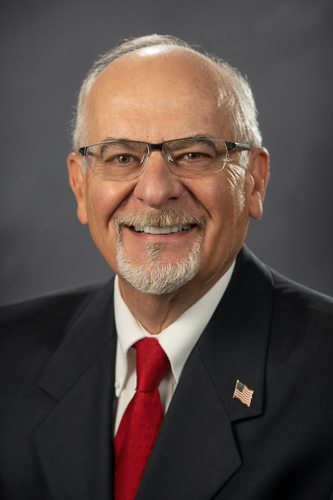
Del. Phil Mallow
Sponsored bills
Maddy summaryHB 2805 would increase penalties for contempt of court in West Virginia magistrate courts. It raises the maximum fine for a first offense from $50 to $100, for a second offense from $100 to $250, and for a third or subsequent offense from $100 to $500. The bill also increases the maximum jail time for third or subsequent offenses from 10 to 20 days. This directly affects individuals found guilty of contempt, such as those who disrupt court proceedings, threaten court personnel, or disobey court orders in magistrate court.
Maddy summaryHB 2757 amends West Virginia law to clarify definitions of terrorism and establish new criminal offenses, directly affecting individuals who commit or support terrorist acts. It creates mandatory sentencing for terrorism-related crimes (including membership in terrorist groups, "terrorist swatting," and using hoax devices), prohibits probation or suspended sentences, and requires restitution payments to victims for economic harm like lost wages or business shutdowns. The bill defines "terrorist act" broadly to include intimidation, policy influence, or retaliation against government, and designates fentanyl as a weapon of mass destruction. The Attorney General must identify terrorist groups, with members automatically deemed terrorists under this law.
Maddy summaryHB 2754 prohibits foreign entities from funding West Virginia election administration activities (such as voter registration or ballot preparation). It requires organizations seeking to work with state or local governments on these activities to certify annually whether they receive foreign donations, with updates within five business days if new information arises. The Secretary of State must maintain and publish these certifications online while auditing compliance quarterly. Violations - including false certifications - carry fines of three times the donation amount plus court costs, and agreements with violators become invalid.
Maddy summaryHB 2753 would extend the cooling-off period for former state legislators and other public officials seeking to become lobbyists, changing the current one-year restriction to five years. This bill directly affects individuals who leave public office and wish to work as lobbyists for private entities or government clients. The key provision is simply lengthening the mandatory waiting period before they can engage in lobbying activities. The change aims to reduce potential conflicts of interest by limiting immediate transitions from public service to lobbying roles.
Maddy summaryHB 2794, the "Life at Conception Act of 2025," declares that the right to life guaranteed by the U.S. and West Virginia constitutions applies to all human beings from the moment of fertilization. It defines "human person" to include every member of the human species at all stages, starting at conception, and explicitly states the bill does not criminalize women for pregnancy outcomes or restrict in vitro fertilization, birth control, or other fertility prevention methods. The bill establishes this constitutional interpretation as policy but does not create new criminal penalties or alter existing medical procedures. It directly affects the legal definition of personhood for all individuals from conception onward.
Maddy summaryThis concurrent resolution (HCR 57) declares that the People's Republic of China (PRC) is conducting an "illegal asymmetric war" against the U.S. and West Virginia, citing alleged tactics like cyberattacks, influence operations, and the use of fentanyl or engineered diseases. It directs state officials to forgive public debt held by PRC-affiliated entities since October 2019 and identify such entities for potential debt recovery. The resolution also urges the Governor and state agencies to take actions countering this alleged "war" and invites other states to adopt similar statements. As a non-binding resolution, it does not create new laws but formally positions West Virginia’s stance on China-related issues.
Maddy summaryHB 2658 would require county commissions to oversee all fire departments within their county when a county fire board does not exist and the departments are not already managed by a city government. The bill amends West Virginia Code sections 7-1-3d and 7-1-3 to clarify that county commissions assume administrative responsibility for these fire departments. This change aims to create consistent oversight for fire services in counties without a dedicated fire board, replacing fragmented management. The bill does not alter funding, create new departments, or affect fire departments already under municipal control.
Maddy summaryHB 2662 creates a new felony offense called "aggravated vehicular homicide" for reckless driving causing death when the driver shows "reckless disregard of human life," raising the penalty to 2-5 years in prison and up to $20,000 in fines. It also amends existing law to clarify that both the driver and an unborn child (embryo or fetus) are considered separate victims in vehicular homicide cases. This directly affects drivers convicted of causing death through extreme recklessness while operating a vehicle, and expands legal recognition of unborn victims in criminal prosecutions. The bill maintains the existing misdemeanor "negligent vehicular homicide" standard but distinguishes felony-level offenses with stricter criteria and harsher penalties.
Maddy summaryHB 2423 prohibits individuals or entities from charging fees for assisting veterans with benefits claims, except as allowed under federal law. It specifically bans compensation for preparing, presenting, or advising on veterans' benefits claims, referring clients to such services, guaranteeing specific benefit amounts, or charging excessive fees (using federal fee guidelines). The bill requires written agreements outlining fees before services begin, aligning with federal regulations (38 C.F.R. §14.636). Violations would be treated as breaches of West Virginia’s Consumer Credit and Protection Act. This directly affects veterans’ service providers (e.g., attorneys, advocates) and veterans seeking assistance with VA claims.