

Maddy summaryHB 2188 changes how distilleries, mini-distilleries, and micro-distilleries in West Virginia pay taxes to the state. Currently, the Alcohol Beverage Control Administration (ABCA) holds all gross revenue from these businesses until tax liability is calculated, requiring separate approval from the Auditor's office to release non-tax revenue. This bill allows them to instead pay tax liabilities directly to the West Virginia Tax Division using their gross revenue, following standard business practices. The change simplifies the process but does not alter tax rates or require payment of other fees (like market zone fees or licenses), which remain payable to the Tax Commissioner. The bill became effective upon passage.
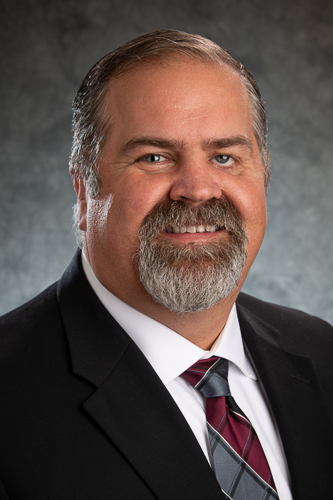
Del. Clay Riley
Sponsored bills
Maddy summaryHB 2116 changes how surplus funds from voter-approved county levies are handled. If a county collects more money than the specific amount approved by voters for a special levy (like for schools or infrastructure), the extra funds will stay with that county instead of going to the state. The bill amends existing law to require these surplus funds to be placed directly into the county's general fund, where they can be spent like other local budget money. This affects counties that have passed voter-approved excess levies, ensuring they retain unused funds they collected. The change is procedural, focusing on fund retention rather than altering levy amounts or voter requirements.
Maddy summaryHB 2127, titled the "West Virginia Women's Bill of Rights," defines "sex" in state law as biological sex (male or female) at birth, excluding gender identity, and requires replacing the word "gender" with "sex" in all state statutes. The bill permits state entities to maintain single-sex environments - such as sports teams, locker rooms, shelters, and domestic violence services - without violating anti-discrimination laws, citing biological differences as justification. It also mandates that state agencies collecting data on sex (for public health, crime, or other purposes) must classify individuals as male or female based on these definitions, ensuring consistency in data collection. The bill applies to all state laws, regulations, and public institutions that classify people by sex or collect sex-related data.
Maddy summaryHB 2161 modifies West Virginia's tax exemption rules for businesses building or expanding warehouses and distribution facilities. It lowers the required full-time job threshold from 300 to 50 jobs for businesses to qualify for a sales tax exemption on eligible purchases. The exemption covers specific items directly used in the facility, including computers/software for operations, material handling equipment (like conveyors and automated systems), building materials, and certain tangible property incorporated into the facility. To qualify, the facility must either be a new warehouse or an expansion with at least $50 million in total investment, and must employ 50 or more full-time West Virginia residents upon completion.