

Maddy summaryHB 2467 would eliminate West Virginia's personal income tax for all taxpayers starting with the 2026 tax year. The bill amends state law to remove the requirement for individuals, estates, and trusts to pay this tax on their taxable income after December 31, 2025. This means residents and entities subject to the current tax would no longer owe state income tax on their earnings for tax years beginning in 2026 and later. The bill does not specify alternative revenue sources for the state.
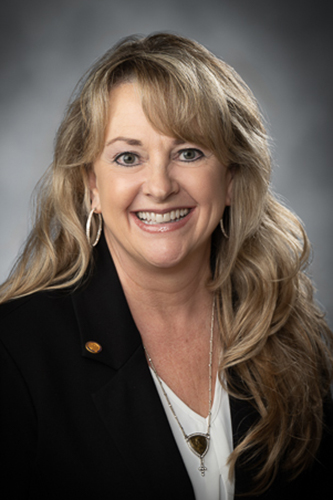
Del. Laura Kimble
Sponsored bills
Maddy summaryHB 2425 would allow West Virginians aged 18 to 20 to carry concealed weapons without a permit, expanding current law that only permits this for those 21 and older. The bill amends sections of state code to remove the permit requirement for this age group while maintaining existing exceptions, such as carrying on one's own property, transporting unloaded weapons to/from purchase or hunting, or for specific officials like law enforcement. It does not change the penalties for violations, which remain misdemeanor or felony charges depending on prior offenses. The policy directly affects young adults aged 18-20 who currently must obtain a permit to carry concealed weapons.
Maddy summaryHB 2398 would impose penalties on delegates attending a "Convention of States" (a state-led gathering to propose U.S. constitutional amendments) who exceed their assigned authority. Delegates found violating their mandate would face mandatory recall, a $100,000-$500,000 fine, up to 10 years in prison, and voided votes. The bill directly affects state delegates appointed to such conventions, requiring them to strictly adhere to their pre-defined roles. It establishes these specific consequences as mandatory measures for any deviation from their authorized purpose.
Maddy summaryThis bill removes schools, public libraries, and museums from legal exemptions that currently protect them from criminal prosecution when distributing or displaying legally obscene material to minors. Under current law, these institutions could avoid charges if they followed specific conditions (like having a parent present for minors at libraries), but the bill eliminates these protections entirely. The change means these organizations could now face criminal liability for such actions without the previous safeguards. This policy shift directly affects how these public institutions handle materials legally defined as obscene when minors are involved.