

Maddy summaryHB 5469 would require West Virginia sheriffs, as chief tax collectors for their counties, to receive an additional $15,000 annual payment after collecting 85% of all property taxes. This commission would be added to sheriffs' existing salaries and paid from the same tax funds they collect. The bill specifies that this payment would become a regular part of sheriffs' annual compensation, charged against the tax collection funds. It directly affects all county sheriffs in West Virginia who serve as tax collectors under current law.
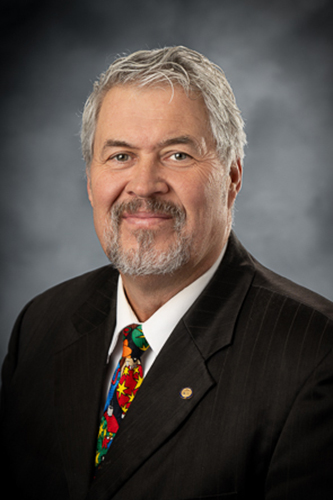
Rep. Jeff Eldridge
Sponsored bills
Maddy summaryThis bill requires oil and gas operators to provide financial assurance before drilling new wells that aren’t expected to produce, either through a bond or funds held in an escrow account managed by the State Treasurer. It aims to prevent future "orphan wells" by ensuring money is available to plug wells that become abandoned without a responsible operator. The funds must be used only for plugging the well or, if the operator fails to act, for the state to plug it using the reserved funds. This directly affects operators seeking new permits after July 2026 and protects landowners from property devaluation and environmental risks linked to unplugged wells.
Maddy summaryHB 5415, the Orphan Well Prevention Act of 2026, requires new oil and gas wells (after July 1, 2026) and transferred wells to have financial assurance for plugging costs. Operators must provide either a state bond or an escrow account managed by the Office of the State Treasurer to cover future plugging expenses. This prevents wells from becoming "orphaned" - meaning they lack a responsible operator to plug them - protecting landowners from contamination risks and financial liability. The law applies to all operators seeking new permits or transferring existing wells, ensuring funds are secured before wells are drilled or transferred.
Maddy summaryHCR 17 is a concurrent resolution requesting the Joint Committee on Government and Finance to study pedestrian safety measures for the New River Gorge Bridge. It directs the committee to examine the feasibility, costs, and federal funding options for installing safety features, while ensuring Bridge Day events can continue. The resolution requires a 2027 report with findings and potential legislation, but does not mandate any safety changes or allocate funds. It directly affects the committee conducting the study and the Bridge Day Commission through consultation. This is a procedural request for research, not a bill implementing safety measures.
Maddy summaryHB 5374 prohibits telemarketers from using auto-dialing systems (robo-calls) to make unsolicited sales calls for Medicare benefits, auto insurance, warranties, or charitable donations in West Virginia. The bill directly affects consumers who receive these unwanted calls and telemarketers who currently make such solicitations. It bans all phone calls using auto-dialing technology to sell insurance-related products, warranties, or solicit donations for charities. The law would apply to all locations, including workplaces, and aims to reduce nuisance calls without exempting political or non-commercial communications. The bill is currently in the House Judiciary Committee after being introduced on February 9, 2026.
Maddy summaryThis bill would permit recreational gold panning in West Virginia rivers and streams under specific conditions, directly affecting individuals who pan for gold and the Division of Natural Resources (DNR). The DNR must establish seasonal dates for panning based on fish spawning seasons and publish these dates for public access. It requires that panning be done using only a standard gold pan, with any sluice (a tool for concentrating gold) limited to no wider than four inches. This change creates a regulated framework for the activity, replacing previous restrictions with defined seasonal windows and equipment limits.
Maddy summaryHB 5209 creates a state registry for individuals convicted of animal abuse (misdemeanor or felony) in West Virginia. It requires these individuals to register with the West Virginia State Police and pay an annual $125 fee, which funds mental health services for state police employees. The registry is integrated into an existing "Central Abuse Registry" that already includes records for child abuse, elder abuse, and sex offenses. This bill directly affects only those with final convictions for animal abuse crimes, not suspected abusers or general animal cruelty cases.
Maddy summaryHB 5207 strengthens animal welfare protections in West Virginia by requiring owners to confine unspayed female dogs during heat cycles and establishing a clear duty of care for companion animals. The bill creates new criminal penalties for animal hoarding and unlawful confinement, increases fines for repeat cruelty offenses, and mandates humane officers to report suspected abuse of vulnerable humans (like children or elderly adults) to relevant agencies. It also updates facility requirements for stray and abandoned animals, including public access to shelters, and revises humane officers' duties and enforcement procedures. These changes directly affect pet owners, animal shelters, law enforcement, and courts handling animal welfare cases.
Maddy summaryHR 9 is a ceremonial resolution honoring the late West Virginia House Delegate Douglas John Skaff Jr. It expresses the House of Delegates' condolences to his family and commemorates his service, including his roles as a delegate representing multiple districts and as Minority Leader. The resolution has no policy impact - it is purely symbolic, acknowledging his career in public service, business, and community leadership. It was unanimously adopted by the House on February 5, 2026, the same day it was introduced.
Maddy summaryHB 5171 sets new salary schedules for West Virginia county commissioners and other elected county officials (such as sheriffs, clerks, and assessors), effective July 1, 2026. The bill establishes specific annual salary amounts based on county classification (Class I to X), with increases ranging from $5,000 to $17,000 above current rates for commissioners and similar increases for other officials. To receive these raises, counties must first have their auditor certify improved fiscal health, and individual officials must submit a written request for the increase. This directly affects all 55 counties and their elected county officials, with the new rates applying to terms beginning July 1, 2026.