

Maddy summaryHB 5293 is a procedural bill that adjusts existing federal funding allocations for West Virginia's Community Mental Health Services. It shifts $200,000 from the "Federal Coronavirus Pandemic" funding category to the "Personal Services and Employee Benefits" category within the same fiscal year (2026). This reallocation does not add new funding but modifies how existing federal block grant money will be used for staffing and operations. The bill directly affects the Department of Human Services' Community Mental Health Services program, ensuring funds are directed toward personnel costs. It is a routine budget adjustment, not a policy change, and requires no new legislative action beyond the funding realignment.
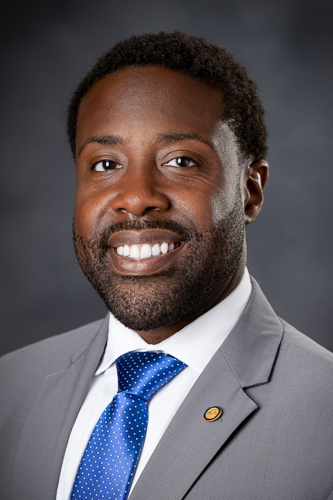
Del. Sean Hornbuckle
Sponsored bills
Maddy summaryHB 5290 adds $250,000 to "Personal Services and Employee Benefits" and $250,000 to "Equipment" within the Department of Health's Laboratory Services Fund (Fund 5163) for fiscal year 2026. This supplemental appropriation reallocates unspent funds from the current fiscal year to cover specific lab staffing and equipment costs. The bill directly affects the Department of Health’s laboratory services operations by providing additional funding for existing budget categories. It does not create new programs or policies but adjusts spending within an existing fund for the 2026 fiscal year. The bill was introduced on February 6, 2026, and referred to the House Finance Committee.
Maddy summaryHB 5306 is a supplemental appropriation bill that increases funding for West Virginia's Medicaid program by $128,383,090 for "Medical Services" and $268,451 for "Administrative Costs" within the Department of Human Services' Health Care Provider Tax - Medicaid State Share Fund (Fund 5090). It uses unappropriated funds from the 2026 fiscal year budget to cover existing Medicaid provider payments and administrative needs. The bill directly affects Medicaid healthcare providers and state agencies managing Medicaid services by ensuring funding availability for current obligations. Introduced on February 6, 2026, it is currently pending in the House Finance Committee. This is a procedural budget adjustment, not a policy change.
Maddy summaryHB 5276 is a procedural budget bill that reallocates $40 million from West Virginia's unappropriated surplus balance to the Department of Commerce's Division of Economic Development. It adds a new appropriation line item (70099) to transfer these funds to the Economic Development Promotion and Closing Fund (fund 3171) for the 2026 fiscal year. This bill does not create new programs or policies - it simply moves existing surplus funds that were identified in the Governor's budget document to support economic development activities. The funds would be available for expenditure during the fiscal year ending June 30, 2026.
Maddy summaryHB 5282 provides a supplemental appropriation of $2.6 million for Public Defender Corporations and $15 million for Appointed Counsel Fees from the unappropriated surplus balance in the State Fund, General Revenue, to the Public Defender Services budget for fiscal year 2026. This funding directly supports West Virginia's public defense system by allocating unused state funds to cover essential legal services for indigent defendants. The bill does not change existing laws but supplements the budget with specific, targeted amounts to ensure public defender operations continue without additional tax revenue.
Maddy summaryThis bill, HB 5314, provides an additional $330,000 in funding to the Department of Health's Vital Statistics Account (fund 5144) for fiscal year 2026. It increases an existing appropriation for "Personal Services and Employee Benefits" within that account to cover ongoing operational costs. The funding comes from unappropriated balances available in the account and directly supports the Vital Statistics office, which manages birth, death, and fetal death records in West Virginia. This is a routine budget adjustment, not a new policy change.
Maddy summaryHB 5316 is a procedural bill that reallocates unspent funds from the State Fund, General Revenue, to the Department of Commerce's Division of Economic Development for fiscal year 2026. It increases the existing appropriation for fund 0256 (fiscal year 2026, organization 0307) by supplementing an unappropriated balance identified in the Governor’s Executive Budget Document. This bill does not create new programs or policies but adjusts the allocation of money already budgeted but not yet spent. The Division of Economic Development directly benefits from this reallocated funding for its operations during the 2026 fiscal year.
Maddy summaryHJR 37 proposes a constitutional amendment to legalize cannabis for adults 21 and older in West Virginia. It would allow possession of up to two ounces of cannabis or four plants per person, permit the legislature to regulate sales and manufacturing, and require courts to dismiss or expunge prior convictions for small-quantity possession. This amendment requires voter approval at the 2026 general election to take effect. If approved, it would directly affect adults 21+ and individuals with past cannabis possession convictions. The bill does not establish specific regulations but authorizes the legislature to create them.
Maddy summaryHB 5272 allocates $250 million from West Virginia's Revenue Shortfall Fund ($100 million) and Income Tax Reserve Fund ($150 million) to establish a Flood Resiliency Trust Fund for proactive flood prevention. The fund will directly support communities vulnerable to flooding by financing infrastructure and initiatives to reduce future flood impacts. Key provisions require annual expenditure reports from the State Resiliency Officer, approval by the State Resiliency Office Board, and a 6% dedication of federal disaster recovery funds toward flood resiliency planning. This one-time funding jumpstarts the State Resiliency and Flood Protection Act without requiring ongoing annual appropriations.
Maddy summaryHB 5271 would require county boards of education in West Virginia to provide full-time employees with three months of paid leave following the birth of a child, or the placement of a child through adoption or foster care. This leave would be in addition to any other leave benefits employees currently receive. The bill amends existing law to explicitly guarantee this paid leave for all full-time employees (both male and female) working for county school districts. It does not change existing personal leave policies but adds this specific benefit for parental and adoption/foster care situations.