

Maddy summaryHB 222 is a financial measure that adds extra funding to the Bureau of Juvenile Services within the West Virginia Department of Homeland Security for the fiscal year ending in June 2025. The bill uses unspent money from the state's general revenue surplus to provide specific budget allocations for various juvenile facilities and operational areas, including statewide reporting centers, resident medical expenses, and multiple correctional centers. By approving these new line items, the legislation allows the bureau to access funds designated for its designated spending units to cover costs during the upcoming fiscal year.
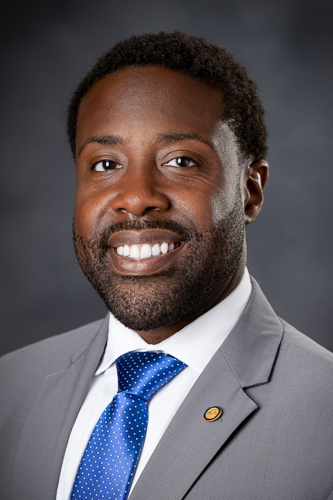
Del. Sean Hornbuckle
Sponsored bills
Maddy summaryHB 228 allows West Virginia to create an opioid treatment program specifically for a clinical trial comparing office-based methadone and buprenorphine to improve patient retention. To qualify, the program must receive approval from an institutional review board, register with the Board of Pharmacy, and operate only for the duration of the study. The bill also permits advanced practice registered nurses participating in this trial to dispense medications and exceed standard prescription limits while the trial is active. These changes are designed to facilitate a specific research project without altering the general rules for opioid treatment programs or nurse prescribing authority outside of the trial context.
Maddy summaryHB 217 directs the West Virginia Legislature to allocate an additional $300,000 from the state's general revenue surplus to the Department of Arts, Culture, and History for fiscal year 2025. These funds are specifically designated for the Capitol Rotunda Statue Project, which involves the creation or installation of a statue within the state capitol building. The bill serves as a supplemental appropriation, meaning it adds to existing budget allocations rather than creating a new program or changing current spending rules. By passing this measure, the state ensures that the designated project has the necessary financial resources to proceed during the upcoming fiscal year.
Maddy summaryHB 223 allocates additional state funds from the general revenue surplus to the Department of Homeland Security for the fiscal year ending June 30, 2025. The bill specifically directs money to the Division of Corrections and Rehabilitation to support the West Virginia Parole Board and its central office. These funds are designated for personal services and employee benefits, including salaries for board members, agency heads, and other staff. This legislation serves as a supplemental appropriation to cover designated spending needs for these correctional entities.
Maddy summaryThis bill prohibits the state of West Virginia and its contracted insurance companies from paying for treatment at residential substance use disorder facilities that are not properly licensed and accredited by January 1, 2026. To qualify for reimbursement, these facilities must hold a state license and accreditation from a recognized organization like CARF, the Joint Commission, or DNV. The law requires the state health bureau to update its rules by October 2025 and mandates that new facilities or those changing ownership must achieve accreditation within one year of starting operations. Additionally, the bill sets up a process for the Inspector General to create specific rules and requires a final report on the law's effectiveness by the end of 2030, after which the provisions will expire unless renewed.
Maddy summaryThis bill directs $10 million from the state's general revenue to the Governor's Office to support the Posey Perry Emergency Food Bank for the fiscal year ending June 30, 2024. The legislation creates a specific funding line item for the organization and ensures that any leftover money from this allocation will be carried over to the 2025 budget. By adding this new appropriation, the state provides direct financial resources to help the food bank continue its operations.
Maddy summaryThis bill directs the West Virginia Legislature to add new funding items to the Higher Education Policy Commission's administrative account for the 2024 fiscal year. It allocates specific surplus funds from the state treasury to support the Higher Education Grant Program, provide general support for colleges and universities, and fund the College Access Grant. Additionally, the legislation ensures that any leftover money from these programs at the end of 2024 will be automatically carried over to the 2025 fiscal year for continued use.
Maddy summaryHB 108 directs the West Virginia Legislature to increase the budget for the Department of Veterans' Assistance for the fiscal year ending June 30, 2024. The bill uses unspent state funds to add $2 million to an existing appropriation line item, allowing the department more money to spend on its programs. This change directly affects the department's ability to fund its operations and services for veterans during the current fiscal year. The legislation is a procedural financial adjustment that does not alter the department's specific duties or eligibility requirements for veterans.
Maddy summaryThis bill directs the West Virginia Legislature to increase funding for the State Department of Education for the 2024 fiscal year. It specifically adds money to two existing programs: funding for increased student enrollment and the Hope Scholarship Program. The legislation uses unspent state revenue to cover these additional costs without creating new budget categories.
Maddy summaryThis bill directs the West Virginia Legislature to add $50 million in supplemental funding to the Governor's Office Civil Contingent Fund for the 2024 fiscal year. The money comes from the state's unspent general revenue and is intended to support the Agriculture Lab unit within the executive branch. Additionally, the legislation ensures that any leftover funds from a previous related appropriation will be carried over to the 2025 fiscal year for future use.