

Maddy summaryHB 2892 clarifies pedestrian rights and duties on West Virginia roadways. It prohibits pedestrians from walking on roadways when sidewalks are available, requires pedestrians to walk facing traffic on the left side of roadways without sidewalks, and bans standing in roadways to solicit rides. The bill also prohibits obstructing traffic with one's body or objects placed in the roadway. Violations are misdemeanors punishable by fines up to $500 for repeat offenses within a year. This law directly affects pedestrians using roadways in West Virginia, particularly those walking near traffic or soliciting rides.
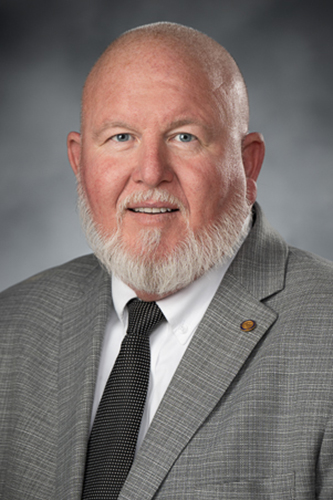
Del. Scot Heckert
Sponsored bills
Maddy summaryThis concurrent resolution requests that the West Virginia Division of Highways add the phrase "West Virginia - A Purple Heart State" to existing highway welcome signs at the state's entrances. It does not create new laws or affect specific individuals, but symbolically honors veterans who received the Purple Heart medal for combat-related injuries. The resolution expresses the legislature's support for recognizing military service through this commemorative signage.
Maddy summaryHCR 78 is a non-binding resolution urging West Virginia's Division of Highways to prioritize completing I-73 (the "King Coal Highway") across Wayne, Mingo, McDowell, Mercer, and Wyoming counties. It requests the highway agency treat the project as a high priority to improve economic development and emergency access, especially after recent flooding exposed transportation challenges in the region. The resolution asks the state to provide necessary funding and executive support to expedite the highway's completion but does not allocate new funds or create new law. It directly affects the Division of Highways and residents of the five specified counties by formally advocating for this infrastructure project.
Maddy summaryHB 2503 establishes a clothing allowance program for children in foster care in West Virginia. It requires placement providers (foster parents, kinship caregivers, or residential care providers) to assess each child's clothing and necessity needs at initial placement, providing an initial allowance of at least $375 for an adequate wardrobe and approved necessities (non-clothing items like hygiene products), with supplementary allowances of $175 for extraordinary needs like illness or damaged items. The bill mandates that placement providers maintain a child's clothing inventory throughout care and outlines three payment methods: a reloadable instant card (issued within 48 hours), child welfare worker purchasing cards, or reimbursement for provider-purchased items. This policy directly affects children in foster care and their caregivers, ensuring consistent access to essential clothing and supplies through defined financial support.
Maddy summaryHB 2159 requires the Bureau for Medical Services (BMS) to charge interest on overpayments made in its medical programs, starting 30 days after the overpayment is confirmed. Overpayments occur when more is paid than allowed for covered services or goods. Interest accrues annually at the rate set for state debts under existing law, calculated on the unpaid balance until resolved. All collected interest is retained by the original funding source, not the general state treasury.
Maddy summaryHB 2377 updates West Virginia's child welfare laws to improve reporting and oversight of child abuse and neglect cases. It requires immediate reporting via a 24-hour hotline or web system with a case identifier, mandates a backup reporting system by July 1, 2023, and creates a Critical Incident Review Team to analyze serious cases. The bill also permits the Foster Care Ombudsman access to case details (including reporter identity) and changes public access to abuse reports to align with the team's reporting guidelines. Additionally, it adds new requirements for the child welfare dashboard and ensures confidentiality for reporters.
Maddy summaryHB 2052 eliminates a restriction that previously limited West Virginia's apprenticeship training tax credit to wages paid to apprentices in the construction trades. The bill expands the credit to apply to wages paid to apprentices in any trade, provided they are registered with the U.S. Department of Labor's West Virginia State Office. The credit amount remains $2 per hour worked (capped at $2,000 per apprentice annually or 50% of actual wages, whichever is lower). This change takes effect for tax years beginning January 1, 2026, and directly affects businesses across all industries that hire registered apprentices.
Maddy summaryHB 3387 creates a pilot program allowing West Virginia's State Board of Education to establish regional school districts that combine neighboring county school districts. It directly affects county districts facing shared challenges like funding gaps, rural population issues, and geographic barriers. The bill authorizes regional districts to consolidate schools, make financial decisions, and supersede county boards within their area, starting July 1, 2025. It also permits the State Board to develop rules for a smooth transition during consolidation. The program aims to address operational inefficiencies through regional planning while maintaining the same powers as current county boards.
Maddy summaryHCR 40 is a resolution directing West Virginia's Economic Development Authority to identify land near Flatwoods for a tourism and entertainment complex modeled after attractions like Pigeon Forge, Tennessee. It requires the Authority to locate suitable sites, secure funding, and recruit private and public developers to build facilities for tourism, entertainment, and amusement. The bill specifically targets the Flatwoods area near Interstate 79 exit 67, citing its central location and access to major regional cities. This resolution aims to replicate economic benefits seen in neighboring states through new tourism infrastructure, directly affecting Flatwoods and surrounding communities.
Maddy summaryHB 2382 prohibits camping and storing camping gear (like tents, cots, or sleeping bags) on specific public property without permission. It bans these activities on Capitol grounds, courthouses, municipal offices, streets, parks, and trails - areas defined as public property owned or controlled by state, county, or municipal governments. Violators face fines of $25-$100 or up to 30 days in jail per day of violation. The bill includes exceptions for authorized uses but does not address broader homelessness or safety concerns beyond the defined legal prohibitions.