

Maddy summaryHB 3012 changes how lottery revenue from racetrack video games is distributed in West Virginia. It creates a "Licensed Racetrack Modernization Fund" within the state lottery fund, funded by a portion of racetrack revenue after administrative costs (capped at 4% of gross terminal income). Racetracks can receive a 50% recoupment ($1 for every $2 spent) for facility improvements like new video lottery terminals or building upgrades, with unused funds carrying over for one additional year before reverting to the lottery fund. These rules apply to fiscal years 2011 through 2030.
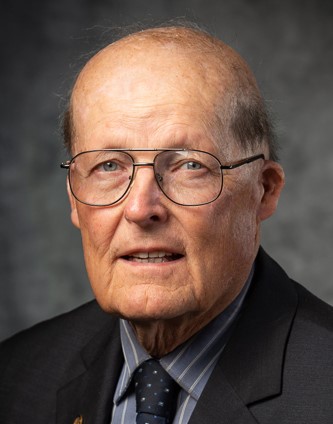
Del. Bill Anderson
Sponsored bills
Maddy summaryHB 3336 updates West Virginia's rules for plugging abandoned oil and gas wells. It removes the requirement for a four-and-one-half-inch casing in modern wells and eliminates the need to remove intermediate or surface casings in older wells, as long as other plugging standards are met. The bill maintains existing requirements for filling wells with nonporous materials (like mud or clay) and placing cement plugs at specific intervals above and below oil, gas, or water-bearing strata. This change primarily affects oil and gas well operators who must follow these plugging procedures when abandoning wells.
Maddy summaryHB 2014 establishes a state-certified microgrid program, creating a formal process for approving microgrids that meet specific reliability and community benefit standards. It directly affects utility companies, local governments, and community organizations seeking to develop or operate microgrids - localized energy systems that can function independently from the main power grid during outages. The law sets technical requirements for certification, including safety standards, grid interconnection protocols, and community engagement criteria, administered by the state's Public Utility Commission. This replaces previous ad-hoc approvals with a standardized program, ensuring consistent oversight for microgrid projects across the state.
Maddy summaryThis bill establishes a pilot program allowing the West Virginia Department of Environmental Protection (DEP) to use design-build contracting for environmental infrastructure projects. It directly affects the DEP and contractors selected for these projects by setting specific procedures for program administration, including project selection criteria and contractor qualification requirements. The key provision requires the DEP to follow defined steps when implementing the pilot, ensuring transparency and compliance with state procurement rules for environmental work. The program is limited to a specific duration and scope as outlined in the law.
Maddy summaryHB 3030 updates administrative procedures for implementing West Virginia's existing Water Pollution Control Act. It affects state environmental agencies (like the DEP) responsible for enforcing water pollution regulations. The bill clarifies agency processes for permitting, monitoring, and enforcement under the current law but does not create new pollution standards or regulations. The bill was approved by the Governor on April 25, 2025, and became law on July 21, 2025.
Maddy summaryHB 2943 extends the expiration date of the annual certification fee for hazardous waste management facilities from June 30, 2030, to June 30, 2035. This fee, paid by facilities managing hazardous waste under federal definitions, must generate no more than $700,000 annually to cover West Virginia’s required state match for federal grant funds supporting hazardous waste management programs. Revenue from the fee is deposited into a dedicated fund and can only be used to meet the state’s matching obligations for these federal programs. The bill requires annual reports to the Joint Committee on Government and Finance on fund balances, collections, and expenditures.
Maddy summaryHB 3520 redirects $56.2 million in unused funds from 10 specific state accounts - such as the Treasurer’s Office ($20 million) and Insurance Commission Fund ($30 million) - into the State Fund’s General Revenue surplus for the 2025 fiscal year. The bill transfers money from accounts where balances exceeded necessary funding needs, as noted in the legislature’s findings. This action increases the available surplus balance in General Revenue for potential future appropriations. The bill does not create new spending but reallocates existing unspent funds to the state’s general treasury.
Maddy summaryThis symbolic resolution designates November 7th annually as "Pastor Appreciation Day" in West Virginia. It honors clergy members for their community service, spiritual leadership, and roles in life events like weddings, funerals, and disaster response. The resolution does not create new laws, funding, or obligations - it serves solely as ceremonial recognition. It affects no specific individuals or policies, as it is a non-binding declaration of appreciation.
Maddy summaryHCR 88 is a ceremonial resolution honoring two West Virginia first responders nominated for the Medal of Valor. It specifically recognizes Captain Donald Lawson (New Martinsville Police) for rescuing two people from carbon monoxide poisoning despite his own hospitalization, and Darrell Lambert (Lake Volunteer Firefighter) for entering a burning building without protective gear to save a trapped resident, sustaining burns in the process. The resolution formally confirms the Legislature's approval of their award and directs the House Clerk to send a copy to Governor Morrisey. This is a symbolic honor with no new policy or funding changes, directly affecting only these two nominees. It passed unanimously in both chambers on April 3, 2025.
Maddy summaryThis resolution requests that the West Virginia Division of Highways name a specific segment of Route 20 in Webster County (from the Upshur/Webster County line to Mount Zion Road) as the "U.S. Army Sergeant Major Charles Grant Hoke Memorial Road." It commemorates Sergeant Major Charles Grant Hoke, a WWII and Korean War veteran with multiple military awards, who was born in Upshur County and raised in Cleveland, Webster County. The resolution asks the Division of Highways to install signs identifying this road segment and directs the House Clerk to forward the resolution to the agency. This is a commemorative measure with no funding or policy changes, directly affecting the named road segment in Webster County.