Issue · Healthcare

Healthcare

Every healthcare bill, vote, and legislator stance in West Virginia, automatically classified by Maddy, our AI policy reader.

Total bills
409
2026 Regular Session
Top supporter
Kathie Hess Crouse
92% support rate
Top opponent
Corby Dillon
25% support rate
Ranked legislators
10
5 support · 5 oppose
Key legislators

Who's moving healthcare in West Virginia

Legislators moving healthcare in West Virginia
Legislator Party Stance Support rate Votes
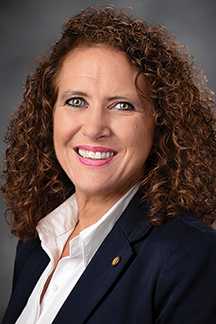
Kathie Hess Crouse
Kathie Hess Crouse House · District 19
R
Strong +
92% 34
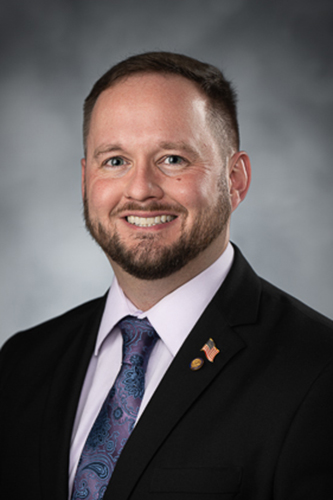
Elliott Pritt
Elliott Pritt House · District 50
R
Strong +
92% 31
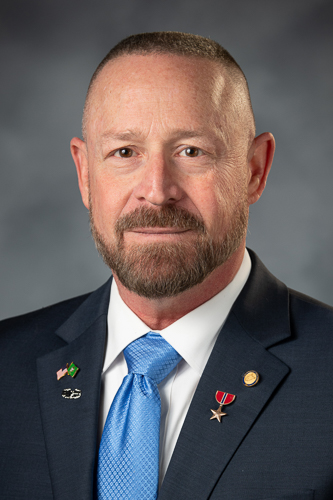
Jordan Maynor
Jordan Maynor House · District 41
R
Strong +
92% 33
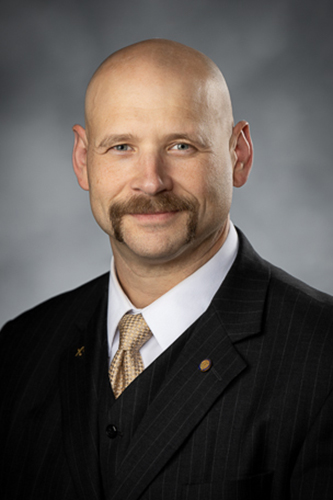
Doug Smith
Doug Smith House · District 39
R
Strong +
92% 27
Geno Chiarelli
Geno Chiarelli House · District 78
R
Strong +
92% 34
Corby Dillon
Corby Dillon House · District 29
R
Oppose
25% 33
Marty Gearheart
Marty Gearheart House · District 37
R
Oppose
33% 24
Shawn Fluharty
Shawn Fluharty House · District 5
D
Oppose
40% 31
Buck Jennings
Buck Jennings House · District 84
R
Mixed −
42% 33
George Street
George Street House · District 83
R
Mixed −
42% 30
Showing 61–70 of 409 bills

All healthcare bills

in committee · West Virginia · Senate Feb 13, 2026

SB 940: Establishing early detection cancer screening pilot program for active and retired firefighters

SB 940 establishes a state-funded pilot program offering free, comprehensive cancer screenings to all active and retired permanent firefighters in West Virginia. The program provides blood tests, organ ultrasounds (including heart and abdominal scans), lung CTs if needed, and skin cancer screenings, with a maximum cost of $1,300 per participant. Firefighters may self-fund screenings before July 2026 and seek reimbursement up to the $1,300 limit during the program’s 24-month duration (extendable with approval). The state covers all costs, requires vendors to meet specific screening standards, and mandates annual reports on participation and results to the Governor and legislature. Participation is voluntary, and the program begins July 1, 2026.
in committee · West Virginia · House of Delegates Feb 16, 2026

HB 5631: Relating to the Tobacco Products Excise Tax Act

HB 5631 increases taxes on tobacco products in West Virginia and removes existing tax discounts on stamps. It adds a clear definition for "electronic smoking devices" (including e-cigarettes and vapes) and expands the tax to cover these products, while excluding FDA-approved nicotine products. The bill directs 10% of the collected tax revenue to fund the state's tobacco prevention program. This affects tobacco manufacturers, retailers, and consumers through higher product costs and updated tax rules for vaping products.
Sub-Topics Revenue Sales Tax
in committee · West Virginia · House of Delegates Feb 17, 2026

HB 5633: Relating to extending the expiration date on a pilot program administered by the Herbert Henderson Office on Minority Affairs to promote public health through comprehensive community development.

HB 5633 extends the expiration date of a pilot program run by the Herbert Henderson Office on Minority Affairs, which aims to improve public health through community development in West Virginia. The program, currently set to expire on July 1, 2031, will continue addressing poverty, substance abuse, and other health challenges by coordinating existing state and federal resources like housing services and youth programs. It requires collaboration with nonprofit organizations and targets rural, suburban, and urban communities to improve health outcomes and economic development. The program must report progress to the Select Committee on Minority Affairs Interim Committee.
signed · West Virginia · House of Delegates Jun 29, 2026

HB 5366: Relating to rules governing the practice of law

HB 5366 amends West Virginia law to clarify that certain records related to the West Virginia Judicial and Lawyer Assistance Program are confidential and not subject to public records requests. It directly affects attorneys who use this program, which provides support for mental health and substance abuse issues. The bill specifically states that records gathered under the program’s rules - covering procedures, referrals, and services - are exempt from disclosure under the state’s Freedom of Information Act. This change ensures these sensitive attorney assistance records remain private, preventing public access while maintaining program confidentiality.
signed · West Virginia · Senate Jun 25, 2026

SB 840: Supplemental Appropriation to Department of Human Services, fund 0403

This bill increases funding for West Virginia's Children's Health Insurance Program (CHIP) by adding $422,562 for administrative costs and $449,429 for services under fund 0403. It supplements existing appropriations using an unappropriated balance from the State Fund, General Revenue, to support CHIP operations during fiscal year 2026. The funding directly affects CHIP beneficiaries and program administrators by providing additional resources for program management and services. This is a procedural budget adjustment, not a policy change, and it applies to the fiscal year ending June 30, 2026.
in committee · West Virginia · House of Delegates Feb 13, 2026

HB 5494: Authorizing county commissions to impose a county-wide emergency services fee on hotel stays.

HB 5494 proposes allowing West Virginia counties to charge a $5-per-night fee on hotel stays (including motels, vacation rentals, and short-term leases) to fund local emergency services. County commissions would set the exact fee amount (up to $5/night), and hotels, operators, and online booking platforms would collect and remit the fee. Proceeds must be used exclusively for emergency medical services, fire protection, law enforcement, and 911 operations. The bill defines "hotel" broadly to cover all temporary lodging under 30 days, ensuring the fee applies to both traditional hotels and platforms like Airbnb.
Tags Public Safety
in committee · West Virginia · Senate Feb 18, 2026

SB 989: Changing membership requirements of Medical Services Fund Advisory Council

SB 989 changes membership rules for the Medical Services Fund Advisory Council and creates a new Medicaid Beneficiary Advisory Council. It increases the council size from 9-15 to 11-15 members, requires specific nominations from professional groups (like medical, dental, and primary care associations), and adds a new Medicaid Beneficiary Advisory Council to represent Medicaid recipients. The bill also repeals the old Children’s Health Policy Advisory Board structure and updates the council’s responsibilities to align with federal requirements. These changes directly affect council members, professional associations that nominate them, and Medicaid beneficiaries through the new advisory body.
Sub-Topics Medicaid Primary Care
in committee · West Virginia · House of Delegates Feb 3, 2026

HB 5085: Related to troubled teen industry

HB 5085 requires private residential programs for adolescents with behavioral or emotional challenges to obtain a license from West Virginia’s Office of Health Facility Licensure and Certification. The bill mandates background checks for all staff with direct contact with youth, prohibits physical discipline or denial of education, and requires programs to report restraints/seclusion within one business day. It also mandates written policies for suicide prevention, allows parents to remove youth or request weekly video calls, and requires programs to publicly post complaint procedures. The law directly affects operators of these residential programs (excluding schools, camps, or faith-based organizations), imposing new licensing, safety, and transparency requirements.
Sub-Topics Medical Licensing Mental Health Substance Abuse Tags Licensing
in committee · West Virginia · House of Delegates Feb 5, 2026

HB 5259: Relating to the cultivation of medical cannabis

HB 5259 permits qualifying patients with a physician certification and a valid state-issued medical cannabis ID card, or their designated caregivers, to grow up to 10 cannabis plants for personal use. The bill specifically allows cultivation in "plant form" but limits this to no more than five mature, flowering plants at any time. Patients or caregivers must comply with physician certification requirements and cannot grow for commercial purposes or exceed the plant limits. This amendment to West Virginia's medical cannabis law adds Section 16A-5-11 to explicitly authorize home cultivation under these conditions.
signed · West Virginia · Senate Jun 25, 2026

SB 897: Relating to licensure and certification of alcohol and drug counselors

SB 897 establishes licensing and certification requirements for alcohol and drug counselors in West Virginia. It defines key terms like "substance use disorder" and "practice of alcohol and drug counseling," which includes evaluating addiction issues, developing treatment plans, and providing trauma-informed care. The bill sets eligibility criteria, application fees, renewal fees, and grandfathering provisions for existing counselors based on education or experience. It also creates disciplinary actions for violations and specifies exceptions for healthcare providers, state employees, and self-help groups. This bill directly affects counselors seeking to provide substance use disorder treatment services in the state.
Showing 61 to 70 of 409 bills
Previous 1 6 7 8 41 Next