Issue · Healthcare

Healthcare

Every healthcare bill, vote, and legislator stance in West Virginia, automatically classified by Maddy, our AI policy reader.

Total bills
409
2026 Regular Session
Top supporter
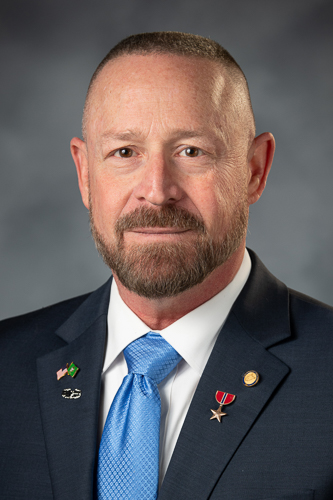
Bill Roop
92% support rate
Top opponent
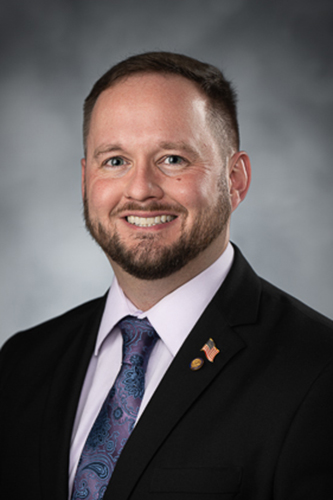
Corby Dillon
25% support rate
Ranked legislators
10
5 support · 5 oppose
Key legislators

Who's moving healthcare in West Virginia

Legislators moving healthcare in West Virginia
Legislator Party Stance Support rate Decisive votes
Bill Roop
Bill Roop House · District 44
R
Strong +
92% 12
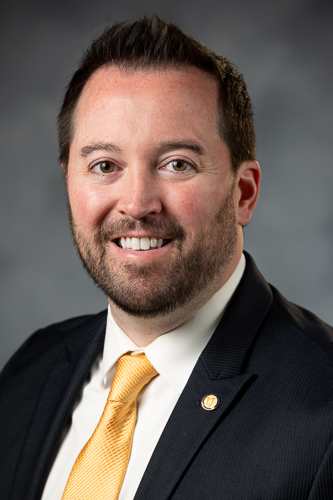
Chris Phillips
Chris Phillips House · District 68
R
Strong +
92% 12
Doug Smith
Doug Smith House · District 39
R
Strong +
92% 12
Elliott Pritt
Elliott Pritt House · District 50
R
Strong +
92% 12
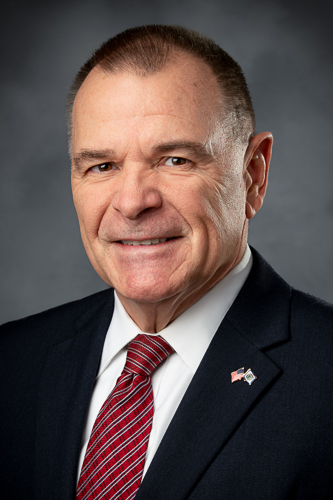
Geno Chiarelli
Geno Chiarelli House · District 78
R
Strong +
92% 12
Corby Dillon
Corby Dillon House · District 29
R
Oppose
25% 12
Marty Gearheart
Marty Gearheart House · District 37
R
Oppose
33% 9
Shawn Fluharty
Shawn Fluharty House · District 5
D
Oppose
40% 10
Bill Ridenour
Bill Ridenour House · District 100
R
Mixed −
42% 12
Buck Jennings
Buck Jennings House · District 84
R
Mixed −
42% 12
Showing 241–250 of 409 bills

All healthcare bills

in committee · West Virginia · House of Delegates Jan 30, 2026

HB 4295: Relating to authorizing the Medical Imaging and Radiation Therapy Technology Board of Examiners to promulgate a legislative rule relating to continuing education.

HB 4295 authorizes the Medical Imaging and Radiation Therapy Technology Board of Examiners to create and enforce rules about continuing education requirements for medical imaging and radiation therapy technologists in West Virginia. The bill formally approves an existing rule (18 CSR 02) that the Board filed in the State Register on June 3, 2025, making it official under state law. This rule would govern the continuing education hours or content these healthcare professionals must complete to maintain their licenses. The change directly affects licensed technologists in these fields by setting standardized education requirements for license renewal.
passed · West Virginia · Senate Mar 2, 2026

SB 580: Updating practice act for WV Medical Imaging and Radiation Therapy Technology Board

SB 580 updates West Virginia's licensing rules for medical imaging and radiation therapy professionals, directly affecting radiologic technologists, MRI technicians, radiation therapists, and nuclear medicine technologists. Key changes include allowing radiation therapists to earn licensure through direct degree programs (without prior radiography training), restricting denial of licensure to only healthcare-related criminal convictions, and aligning their scope of practice with national standards. The bill also eliminates six-month temporary licenses, transfers oversight of radiologist assistants from the Board of Medicine to the Medical Imaging Board, and adds new definitions to clarify regulations. These updates aim to modernize licensing requirements while maintaining public safety standards.
in committee · West Virginia · House of Delegates Jan 14, 2026

HB 4061: Requiring PEIA and other health insurance providers to provide payment parity for certain services

HB 4061 requires West Virginia's Public Employees Insurance Agency (PEIA) and other health insurers to pay mental health and behavioral health providers the same rate as medical/surgical providers for comparable services. This applies to licensed practitioners (like therapists and counselors) covered under the bill’s definitions of "serious mental illness." Insurers must submit claims using standard codes and identifiers, and cannot reduce payments to physicians to comply with this law. The bill directly affects mental health providers and insurers by mandating equal reimbursement rates for services like therapy and counseling, aligning them with physical health care payments.
in committee · West Virginia · Senate Jan 28, 2026

SB 638: Creating Forensic Pathology Recruitment Program

SB 638 creates a program to help West Virginia forensic pathologists repay student loans by covering up to 10% of their outstanding balance annually (capped at $300,000 total over 10 years). It directly affects full-time, board-certified forensic pathologists employed by the Office of the Chief Medical Examiner who hold a West Virginia license, have an accredited medical degree, and carry eligible student loans in good standing. Applicants must submit annual documentation by July 1 to the Department of Health, which verifies eligibility and disburses funds directly to lenders based on available funding. The program requires annual legislative appropriations and limits payments to 12 consecutive months of employment per year of repayment.
in committee · West Virginia · Senate Jan 30, 2026

SB 673: Increasing tax on vapes and e-cigarettes

SB 673 imposes a 3-cent tax per milligram of nicotine on all e-cigarette products sold in West Virginia, replacing a previous tax based on product type. This tax applies to both disposable (closed-system) and refillable (open-system) devices, with fallback rates (40mg per unit for disposables, 6mg/mL for refillables) if labeling is unclear. All revenue generated will be directed to the Public Employees Insurance Agency (PEIA) to reduce or stabilize state employees' health insurance premiums, without replacing existing employer contributions. The bill directly affects e-cigarette distributors and manufacturers in the state, effective July 1, 2026.
in committee · West Virginia · Senate Jan 21, 2026

SB 571: Relating to WV Rural Health Transformation Program

SB 571 modifies West Virginia law to implement the federal Rural Health Transformation Program. It exempts the program from standard state purchasing rules (§5A-3-3d) to ensure timely use of federal funds. The bill also requires public schools to adopt the Presidential Fitness Test for students in grades 4-8 and high school (§18-2-7a), and mandates that medical and osteopathic boards require continuing education in nutrition for license renewal (§30-3-12, §30-14-10). These provisions directly affect rural health programs, public schools, and licensed healthcare professionals.
passed · West Virginia · Senate Feb 16, 2026

SB 173: Prohibiting abortifacients

This bill prohibits the distribution or prescription of "abortifacients" (drugs intended to cause abortion) within West Virginia. It directly affects licensed medical professionals (like doctors and pharmacists) and anyone distributing such drugs, with violations carrying felony penalties (3-10 years imprisonment) for non-professionals and potential license revocation for medical providers. Key provisions include banning the mailing, sale, or dissemination of abortifacients without a valid prescription, requiring medical professionals to attest to compliance, and creating a civil lawsuit option for affected parties. The law includes exceptions for medical emergencies - defined as situations where an abortion is necessary to prevent serious risk of death or life-threatening impairment to the patient.
Sub-Topics Women's Health
vetoed · West Virginia · Senate Apr 1, 2026

SB 649: Requiring coverage of home blood pressure monitoring devices for certain Medicaid recipients

SB 649 requires West Virginia Medicaid to cover home blood pressure monitoring devices for specific enrollees: pregnant individuals or those within 12 months postpartum who have been diagnosed with uncontrolled hypertension. The bill mandates that covered devices must be validated by the U.S. Blood Pressure Validated Listing and includes coverage for an extra blood pressure cuff. Medicaid providers must also receive reimbursement for related services, such as patient training, interpreting readings, and delivering co-interventions. This policy directly affects Medicaid recipients with hypertension during pregnancy or postpartum, expanding access to essential monitoring tools.
Sub-Topics Medicaid
in committee · West Virginia · House of Delegates Jan 28, 2026

HB 4873: To remove the 2 year timeframe for medical malpractice suits to be filed only for individuals who were minors when they had their procedures performed

HB 4873 changes the deadline for minors to file medical malpractice lawsuits. It removes the current rule requiring minors to file before their 12th birthday and replaces it with a new deadline: minors can file within five years after turning 18. This affects individuals who were under 18 at the time of their medical procedure and suffered injury. The bill specifically modifies Section (c) of West Virginia’s medical malpractice statute to extend the filing window for minors.
signed · West Virginia · House of Delegates Jun 29, 2026

HB 4869: Establish narrow, clearly bounded guaranteed-issue rights for Medicare Supplement policies in West Virginia.

HB 4869 creates two guaranteed periods for West Virginia seniors to purchase Medicare Supplement (Medigap) policies without medical underwriting or pre-existing condition exclusions. It provides a 60-day window annually around each individual’s birthday for current policyholders to switch to a policy with the same or fewer benefits, and a 63-day window starting the day after Medicaid eligibility ends for those turning 65 or losing Medicaid. Insurers must offer coverage during these periods but are not required to provide new policies or alter existing benefit structures. The bill also mandates annual reports on Medigap premium trends for legislative review but does not change Medicare Advantage plans or require insurers to offer specific rates.
Sub-Topics Insurance Medicaid Medicare Tags Seniors
Showing 241 to 250 of 409 bills
Previous 1 24 25 26 41 Next