Issue · Healthcare

Healthcare

Every healthcare bill, vote, and legislator stance in West Virginia, automatically classified by Maddy, our AI policy reader.

Total bills
409
2026 Regular Session
Top supporter
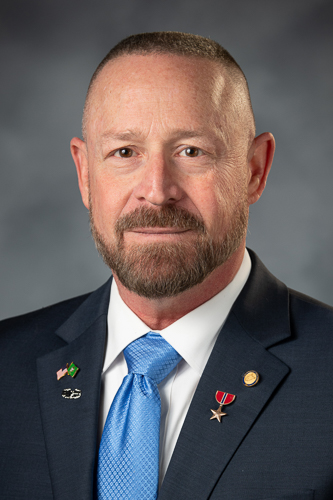
Bill Roop
92% support rate
Top opponent
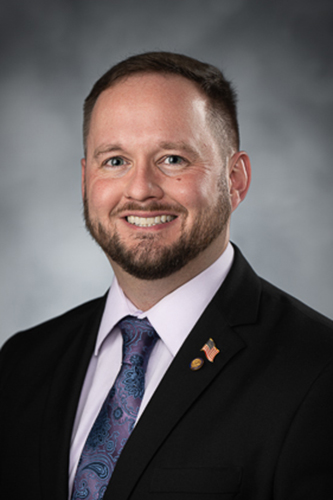
Corby Dillon
25% support rate
Ranked legislators
10
5 support · 5 oppose
Key legislators

Who's moving healthcare in West Virginia

Legislators moving healthcare in West Virginia
Legislator Party Stance Support rate Decisive votes
Bill Roop
Bill Roop House · District 44
R
Strong +
92% 12
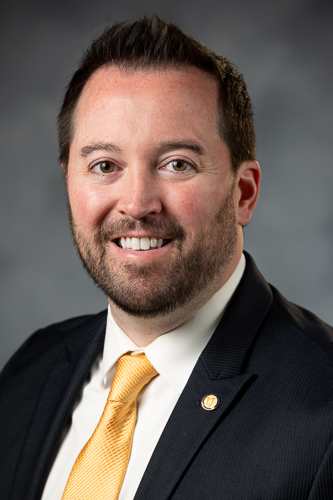
Chris Phillips
Chris Phillips House · District 68
R
Strong +
92% 12
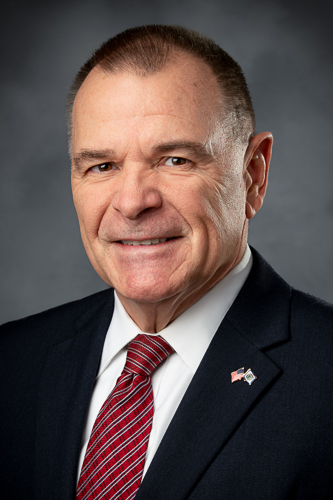
Doug Smith
Doug Smith House · District 39
R
Strong +
92% 12
Elliott Pritt
Elliott Pritt House · District 50
R
Strong +
92% 12
Geno Chiarelli
Geno Chiarelli House · District 78
R
Strong +
92% 12
Corby Dillon
Corby Dillon House · District 29
R
Oppose
25% 12
Marty Gearheart
Marty Gearheart House · District 37
R
Oppose
33% 9
Shawn Fluharty
Shawn Fluharty House · District 5
D
Oppose
40% 10
Bill Ridenour
Bill Ridenour House · District 100
R
Mixed −
42% 12
Buck Jennings
Buck Jennings House · District 84
R
Mixed −
42% 12
Showing 221–230 of 409 bills

All healthcare bills

in committee · West Virginia · House of Delegates Jan 19, 2026

HB 4146: To require compulsory vaccinations for anyone employed by the public school system in this state.

HB 4146 requires all public school employees in West Virginia - including teachers, administrators, bus drivers, and custodians - to receive all childhood vaccines (such as flu shots, measles, and HPV) following the pediatric schedule, with no religious or philosophical exemptions allowed. It mandates a 21-day quarantine for school staff traveling to states that permit vaccine exemptions for students, and requires visitors (like parents or contractors) to show proof of vaccination before entering public school buildings. The bill applies directly to school staff and visitors, not students, and specifies exact vaccine requirements without allowing exemptions for personnel.
in committee · West Virginia · House of Delegates Jan 29, 2026

HB 4810: Relating to dental health care service plans

HB 4810 requires dental insurance companies in West Virginia to publicly report how they spend premiums collected from enrollees, similar to federal health insurance rules. It mandates annual reports detailing patient care spending versus administrative costs, prohibits insurers from restricting payment methods to dentists, and requires rebates to customers if less than 80% of premiums are spent on dental care. The bill directly affects dental insurers, licensed dentists, and patients enrolled in private dental plans (excluding Medicaid). Key provisions include transparency requirements for premium expenditures, rules against unfair payment restrictions, and automatic premium reductions when patient care spending falls below the 80% threshold.
Sub-Topics Insurance Medicaid
in committee · West Virginia · House of Delegates Feb 9, 2026

HB 4781: Insurance coverage for laser hair removal

HB 4781 requires most health insurance plans in West Virginia to cover medically necessary laser hair removal starting January 1, 2027. The bill applies to group and individual health insurance policies, as well as managed care plans, that are amended, issued, or renewed after that date. Coverage is mandated only for procedures deemed medically necessary and prescribed under generally accepted medical standards, not for cosmetic purposes. This policy change directly affects health insurers operating in West Virginia and their policyholders seeking covered medical treatments.
Sub-Topics Insurance
in committee · West Virginia · House of Delegates Jan 26, 2026

HB 4809: Caregiver Tax Credit

HB 4809 creates a nonrefundable tax credit for family caregivers in West Virginia, allowing them to claim 50% of eligible out-of-pocket expenses related to caring for an eligible family member, up to a $2,000 annual maximum. It directly affects unpaid caregivers (such as adult children or spouses) providing care to relatives aged 18+ who need assistance with daily activities like bathing, dressing, or mobility. Eligible expenses include home modifications, medical equipment, hiring care aides, respite care, and transportation - not general home repairs or reimbursed costs. The credit applies to taxable years beginning after January 1, 2028, and requires certification from a licensed health care provider for the care recipient’s needs.
in committee · West Virginia · Senate Jan 27, 2026

SB 608: Relating to religious exemption to mandatory vaccination requirements

SB 608 would amend West Virginia law to add a religious exemption for school immunization requirements. It allows children to be exempt from mandatory vaccines (chickenpox, measles, polio, and others) if parents or guardians submit a signed certification stating their sincerely held religious objections. This exemption would apply to children entering public, private, or parochial schools and state-regulated child care centers. The bill does not change the list of required vaccines or existing medical exemptions, but adds religious objections as a new basis for exemption. Schools and child care centers would need to accept these religious exemption certifications for enrollment.
Sub-Topics Public Health
in committee · West Virginia · Senate Jan 19, 2026

SB 505: Providing Medicaid coverage for postpartum health care

SB 505 expands West Virginia Medicaid eligibility to cover pregnant individuals and new parents for 24 months after childbirth, as well as children under age two. It sets an income threshold of 185% of the federal poverty guidelines for eligibility, while maintaining standard Medicaid requirements. This change directly affects low-income postpartum individuals and families who previously might have lost coverage after the standard 60-day postpartum period. The bill aims to provide continuous healthcare access during a critical health period without adding new administrative requirements.
Sub-Topics Medicaid
signed · West Virginia · House of Delegates Jun 29, 2026

HB 5004: Relating generally to PANS and PANDAS.

HB 5004 requires Medicaid and private health insurance plans in West Virginia to cover medically necessary diagnosis and treatment for Pediatric Acute-Onset Neuroimmune Disorders (PANS and PANDAS), as defined by the National Institutes of Health. This directly affects Medicaid enrollees and patients with these conditions, ensuring coverage for diagnostic testing, medications, immune-related treatments, and behavioral services when ordered by a physician and supported by medical evidence. The bill mandates coverage parity for behavioral symptoms, preventing insurers from restricting care solely due to psychiatric manifestations. It also requires the state health department to educate providers on recognizing PANS/PANDAS symptoms, including acute onset, association with strep infections, and neurological symptoms. The legislation applies to all health benefit plans subject to West Virginia's insurance laws.
in committee · West Virginia · Senate Jan 15, 2026

SB 268: Department of Health rule relating to emergency medical services

SB 268 authorizes the West Virginia Department of Health to implement a rule (64 CSR 48) that sets standards for emergency medical services. This rule, developed and revised after addressing legislative committee feedback, will govern how ambulance services, paramedics, and emergency medical personnel operate. The rule directly affects emergency medical service providers by establishing their required practices and safety protocols. The bill itself does not change the rule's content but formally approves its adoption as a binding regulation.
in committee · West Virginia · House of Delegates Jan 23, 2026

HB 4021: Bring them Home Fund.

HB 4021 creates the "Bring Them Home Fund" to finance renovating existing state properties for in-state residential treatment facilities serving children requiring acute psychiatric, neurodevelopmental, or trauma services. Managed by the West Virginia Department of Human Services, the fund will be funded through state appropriations, grants, donations, and investment income, with savings from reduced out-of-state placements reinvested into the fund. Key provisions authorize the department to renovate state properties, develop targeted treatment programs matching historically out-of-state placements, and partner with private entities to operate state-owned facilities. This aims to expand West Virginia’s child welfare provider network, keeping children closer to family support while lowering costs associated with out-of-state care.
Sub-Topics Mental Health
in committee · West Virginia · House of Delegates Jan 16, 2026

HB 4451: Relating to establishing the Veteran Justice Act allowing conditional opportunity for veterans to avoid a record conviction

HB 4451, the Veteran Justice Act, creates a program allowing eligible veterans charged with certain offenses to avoid a criminal conviction or have a felony reduced to a misdemeanor. It applies to veterans with military-related conditions like PTSD, TBI, or substance use disorder (SUD) that contributed to their offense, provided the crime is probation-eligible and not excluded (e.g., murder, sexual assault). Eligible veterans enter a court-supervised program involving evidence-based treatment tailored to their military service challenges, a personalized case plan, and probation instead of incarceration. If they successfully complete the plan, they avoid conviction; failure results in standard sentencing. The bill excludes serious crimes like human trafficking and requires verification of veteran status using federal databases like SQUARES.
Showing 221 to 230 of 409 bills
Previous 1 22 23 24 41 Next