Issue · Healthcare

Healthcare

Every healthcare bill, vote, and legislator stance in West Virginia, automatically classified by Maddy, our AI policy reader.

Total bills
409
2026 Regular Session
Top supporter
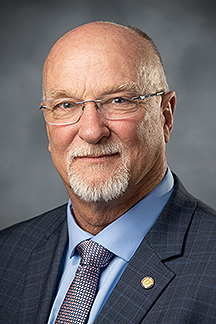
Bill Roop
92% support rate
Top opponent
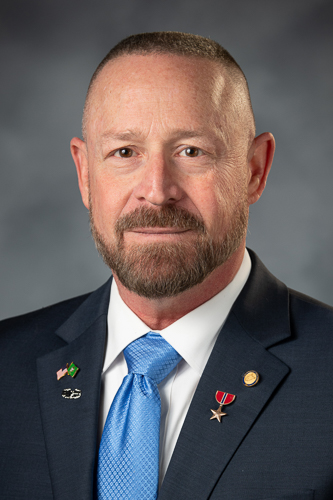
Corby Dillon
25% support rate
Ranked legislators
10
5 support · 5 oppose
Key legislators

Who's moving healthcare in West Virginia

Legislators moving healthcare in West Virginia
Legislator Party Stance Support rate Decisive votes
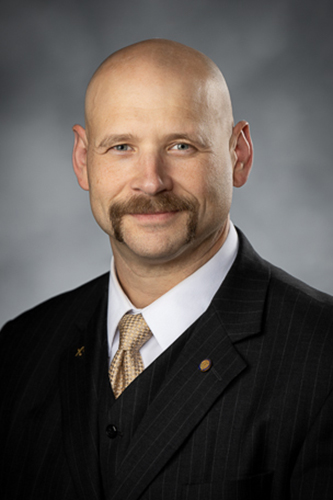
Bill Roop
Bill Roop House · District 44
R
Strong +
92% 12
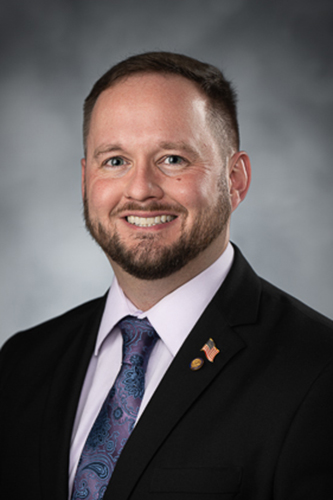
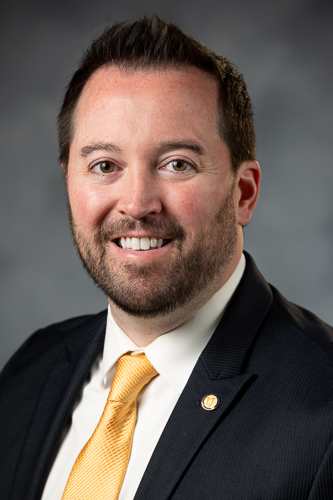
Chris Phillips
Chris Phillips House · District 68
R
Strong +
92% 12
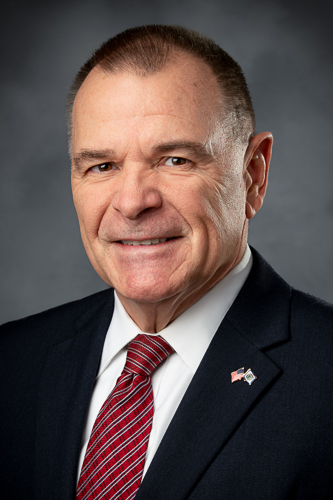
Doug Smith
Doug Smith House · District 39
R
Strong +
92% 12
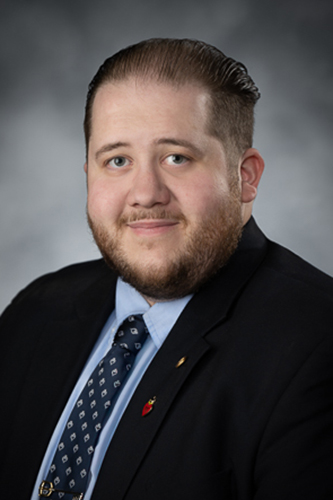
Elliott Pritt
Elliott Pritt House · District 50
R
Strong +
92% 12
Geno Chiarelli
Geno Chiarelli House · District 78
R
Strong +
92% 12
Corby Dillon
Corby Dillon House · District 29
R
Oppose
25% 12
Marty Gearheart
Marty Gearheart House · District 37
R
Oppose
33% 9
Shawn Fluharty
Shawn Fluharty House · District 5
D
Oppose
40% 10
Bill Ridenour
Bill Ridenour House · District 100
R
Mixed −
42% 12
Buck Jennings
Buck Jennings House · District 84
R
Mixed −
42% 12
Showing 191–200 of 409 bills

All healthcare bills

in committee · West Virginia · House of Delegates Feb 3, 2026

HB 5097: Require hospitals with no ASL interpreter on staff provide technology for hearing or speech impaired patients to communicate

HB 5097 requires West Virginia hospitals to provide effective communication assistance for deaf and hard of hearing patients and their families. Specifically, hospitals without an on-staff American Sign Language (ASL) interpreter must offer technology solutions like hearing loops, captioning services, or video relay systems. The bill mandates that any ASL interpreters used must be approved by the West Virginia Commission for the Deaf and Hard of Hearing. Noncompliance can be reported to licensing authorities, and the law takes effect upon passage. This directly affects all hospitals operating under West Virginia's healthcare regulations serving patients with hearing or speech impairments.
signed · West Virginia · House of Delegates Jun 29, 2026

HB 5484: Creating the crime of conspiracy to deny medical treatment to victim of sexual offense

HB 5484 creates a new felony crime in West Virginia for conspiring to deny medical care to victims of sexual exploitation, assault, incest, or abuse. It directly affects individuals who work together (conspire) to block victims from accessing licensed medical treatment for injuries or conditions caused by these crimes. The bill establishes penalties of 5-10 years in prison, a $50,000 fine, or both for violations. This law specifically targets efforts to prevent victims from receiving necessary medical care following sexual offenses, without altering existing abortion laws.
in committee · West Virginia · House of Delegates Feb 3, 2026

HB 4467: Relating to maternity leave for school employees

HB 4467 amends West Virginia law to allow pregnant employees and new mothers working in public school systems to use their existing sick leave bank for maternity leave. It specifically prohibits county school boards from banning this use of sick leave for maternity purposes. The bill clarifies that school employees may contribute up to two days of personal leave annually to the sick leave bank, but cannot be forced to contribute. This policy change directly affects all full-time public school employees in West Virginia who are pregnant or have newborn children.
in committee · West Virginia · Senate Jan 21, 2026

SB 436: Relating to statewide prevention plan

SB 436 requires West Virginia's Department of Human Services (DoHS) to create and implement a statewide prevention plan by February 2027. The plan must provide trauma-informed, evidence-based preventive services to children under 18 and their families - including foster youth, pregnant and parenting teens, youth aging out of foster care, post-adoption youth, and families with economic or safety needs - ensuring accessible services through a mix of physical locations and telehealth. DoHS must track service outcomes, report annually to the legislature starting in 2027 (including county-level data and costs), and work to secure federal funding under the Family First Prevention Services Act. The bill directly affects DoHS operations and the delivery of child welfare prevention services across the state.
Sub-Topics Telehealth
in committee · West Virginia · House of Delegates Jan 30, 2026

HB 4286: Relating to authorizing the Board of Examiners in Counseling to promulgate a legislative rule relating to licensing.

HB 4286 authorizes the Board of Examiners in Counseling to implement a revised licensing rule (27 CSR 01) that was modified to address legislative concerns. This rule establishes specific requirements for counselors seeking or renewing their licenses in West Virginia, including qualifications and renewal processes. The bill does not create new policy but formalizes an existing regulatory framework for the counseling profession.
in committee · West Virginia · House of Delegates Jan 14, 2026

HB 4228: Relating to authorizing the Office of Inspector General to promulgate a legislative rule relating to behavioral health centers licensure.

HB 4228 authorizes the Office of Inspector General to establish a rule for licensing behavioral health centers. It specifically clarifies that child placing agencies providing behavioral health services are deemed licensed for those services under their existing child placing license, as defined in another rule (78CSR02). This change eliminates the need for these agencies to obtain a separate behavioral health license. The bill amends an existing rule (71 CSR 25) to include this provision, streamlining the licensing process for covered agencies.
in committee · West Virginia · House of Delegates Jan 22, 2026

HB 4303: Relating to authorizing the Board of Optometry to promulgate a legislative rule relating to continuing education.

HB 4303 authorizes West Virginia's Board of Optometry to establish a specific rule (14 CSR 10) governing continuing education requirements for optometrists. The bill formally approves a rule that the Board had previously drafted, modified to address concerns raised by the Legislative Rule-Making Review Committee, and refiled in the State Register. This rule directly affects licensed optometrists in West Virginia by setting standards for their required ongoing professional education. The bill itself does not change the content of the rule, only grants the Board the authority to implement it.
in committee · West Virginia · House of Delegates Jan 16, 2026

HB 4346: Addressing the number of ambulance squads needed per affected population in every county

HB 4346 requires West Virginia counties to provide emergency ambulance services at a ratio of one ambulance per 18,000 residents. This directly affects all counties and their residents, particularly in areas where ambulance coverage is currently insufficient. The bill mandates that county commissions must first confirm available funds in their budget before providing service, limiting coverage to what is financially feasible. Counties may deliver services directly, through private providers, or via regional authorities established under the law. The measure updates existing law (§7-15-4) to establish this specific service standard.
in committee · West Virginia · House of Delegates Feb 18, 2026

HB 4403: West Virginia Homeless Shelter Oversight & Safety Act

HB 4403 requires all West Virginia homeless shelters to register annually with the Bureau for Public Health and obtain a safety certificate by July 1, 2026. Shelters must meet standardized health, fire safety, staffing, and background check requirements, including resident grievance procedures and incident reporting. Violations could result in fines up to $5,000 per violation or temporary suspension of operations. The law applies to all shelters regardless of funding source, including faith-based facilities that retain federal religious protections while complying with health and safety standards.
in committee · West Virginia · House of Delegates Feb 3, 2026

HB 4641: Relating to codifying the guidelines for nutritionally adequate school breakfasts and lunches

HB 4641 (the "Feed to Achieve Act") requires West Virginia county school boards to provide nutritionally adequate breakfasts and lunches meeting current federal standards, directly affecting all elementary students. It mandates limits on added sugar and sodium in school meals based on the Dietary Guidelines for Americans, and phases in free breakfasts for elementary students where feasible using existing funds like donations or federal programs. Schools must adopt approved breakfast delivery systems (e.g., "Breakfast in the Classroom") and track participation rates, while the state reports annually on program impacts to legislative committees. The bill codifies existing USDA meal patterns without creating new federal funding requirements.
Sub-Topics Student Health
Showing 191 to 200 of 409 bills
Previous 1 19 20 21 41 Next