Issue · Healthcare

Healthcare

Every healthcare bill, vote, and legislator stance in West Virginia, automatically classified by Maddy, our AI policy reader.

Total bills
409
2026 Regular Session
Top supporter
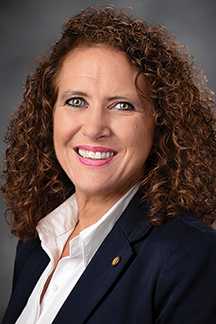
Kathie Hess Crouse
92% support rate
Top opponent
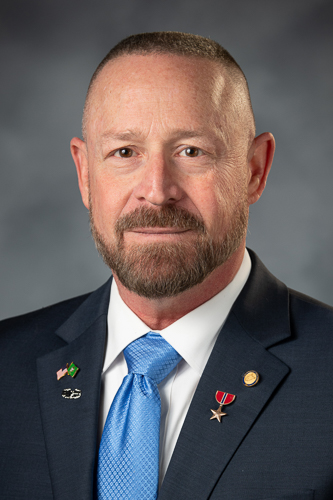
Corby Dillon
25% support rate
Ranked legislators
10
5 support · 5 oppose
Key legislators

Who's moving healthcare in West Virginia

Legislators moving healthcare in West Virginia
Legislator Party Stance Support rate Votes
Kathie Hess Crouse
Kathie Hess Crouse House · District 19
R
Strong +
92% 34
Elliott Pritt
Elliott Pritt House · District 50
R
Strong +
92% 31
Jordan Maynor
Jordan Maynor House · District 41
R
Strong +
92% 33
Doug Smith
Doug Smith House · District 39
R
Strong +
92% 27
Geno Chiarelli
Geno Chiarelli House · District 78
R
Strong +
92% 34
Corby Dillon
Corby Dillon House · District 29
R
Oppose
25% 33
Marty Gearheart
Marty Gearheart House · District 37
R
Oppose
33% 24
Shawn Fluharty
Shawn Fluharty House · District 5
D
Oppose
40% 31
Buck Jennings
Buck Jennings House · District 84
R
Mixed −
42% 33
George Street
George Street House · District 83
R
Mixed −
42% 30
Showing 91–100 of 409 bills

All healthcare bills

in committee · West Virginia · House of Delegates Feb 23, 2026

HB 5661: Increasing Medicaid dental provider reimbursement rates.

HB 5661 increases Medicaid dental provider reimbursement rates in West Virginia. It expands Medicaid coverage for diagnostic/preventative and restorative dental services (excluding cosmetic procedures) to adults aged 21+ with a $2,000 per two-year spending limit. The bill requires the Department of Human Services to raise dental provider payments by at least 20% by December 1, 2028, and mandates annual reports on dental program costs. This directly affects dental providers who treat Medicaid patients and adult Medicaid beneficiaries seeking dental care.
Sub-Topics Medicaid
passed · West Virginia · Senate Mar 5, 2026

SB 1036: Creating Sustainable Child-Serving Workforce and Foster Care Modernization Act

SB 1036 modernizes foster care funding in West Virginia by requiring the Department of Human Services to update basic, special, and therapeutic foster care payment rates using current cost data. It mandates automatic annual adjustments based on the Employment Cost Index (ECI) for Health Care & Social Assistance or the CPI-Medical index to keep pace with rising costs. The bill also requires therapeutic foster care and agency administrative rates to reflect current expenses and includes retention incentives for foster care providers. This directly affects foster parents, child-placing agencies, and the Department of Human Services by stabilizing workforce compensation and placement continuity. The changes aim to improve recruitment and retention in the child welfare system through updated, cost-based funding.
Tags Children
in committee · West Virginia · Senate Feb 9, 2026

SB 876: Supplemental appropriation to Department of Health Facilities, fund 0412

SB 876 allocates supplemental funds from West Virginia's unappropriated surplus to three state hospitals: $1 million for Welch Community Hospital, $3.4 million for William R. Sharpe Jr. Hospital, and $4.3 million for Mildred Mitchell-Bateman Hospital. The funds are designated specifically for capital improvements, repairs, and equipment at these facilities during the 2026 fiscal year. This appropriation directly affects the operational capacity of these three hospitals by providing resources for infrastructure maintenance. As a procedural supplemental bill, it reallocates existing surplus funds without creating new policy or affecting broader populations.
in committee · West Virginia · House of Delegates Feb 11, 2026

HB 5433: Require all state‑regulated health insurance plans to provide meaningful coverage for hearing aids and to cover at least one annual audiological evaluation.

HB 5433 requires all state-regulated health insurance plans to cover hearing aids and annual audiological evaluations for insured individuals with hearing impairment. The bill mandates coverage for initial and replacement hearing aids (every 36 months), necessary adjustments, and at least one yearly hearing evaluation. It limits coverage to $1,400 per hearing-impaired ear every 36 months for standard hearing aids, while allowing individuals to pay extra for more expensive options without penalties. The law applies to policies issued or renewed after January 1, 2026, and excludes batteries and cords from coverage.
Sub-Topics Insurance
in committee · West Virginia · House of Delegates Feb 13, 2026

HB 5523: Relating to establishing minimum requirements for discharge of women in later stages of pregnancy from hospitals.

HB 5523 requires hospitals, clinics, and emergency departments in West Virginia to provide a physician or certified nurse midwife examination before discharging any woman in the later stages of pregnancy. It mandates that facilities provide written and verbal discharge instructions covering key topics like labor signs, warning symptoms, activity guidance, follow-up care, and emergency contacts, all in accessible language. The instructions must be reviewed with the patient or their representative, and the facility must document that they were provided. This bill directly affects pregnant patients in late-stage pregnancy and healthcare facilities across the state, aiming to improve safety through standardized discharge protocols.
in committee · West Virginia · House of Delegates Feb 17, 2026

HB 5658: Compassionate Access to Medical Cannabis Act or Ryan’s Law.

HB 5658, the Compassionate Access to Medical Cannabis Act (Ryan’s Law), allows terminally ill patients (with a life expectancy of one year or less) to use medicinal cannabis in designated health care facilities in West Virginia. It requires facilities to permit use without smoking or vaping, store cannabis securely, document it in medical records, and create facility-specific guidelines - while excluding emergency departments and chemical dependency hospitals. The bill clarifies that facilities cannot ban use solely due to federal Schedule I classification but permits suspension if federal agencies take enforcement actions against such programs. It does not require facilities to recommend cannabis or include it in discharge plans.
in committee · West Virginia · Senate Feb 20, 2026

SB 1028: Relating to financial assistance available for prescription drug

SB 1028 requires health insurers and pharmacy benefit managers in West Virginia to include any cost-sharing payments made by patients or other sources (like drug assistance programs) when calculating a patient's out-of-pocket costs for prescription drugs. It sets an annual cap on out-of-pocket expenses for all health plans sold in the state and prohibits insurers from altering coverage terms based on whether a patient has access to drug discounts. This bill directly affects health insurers, pharmacy benefit managers, and third-party administrators operating in West Virginia. Violations could result in civil penalties of up to $10,000 per violation.
Sub-Topics Prescription Drugs
in committee · West Virginia · Senate Feb 25, 2026

SB 1082: Relating to authority of PEIA to investigate and prosecute fraud

SB 1082 expands the West Virginia Public Employees Insurance Agency's (PEIA) authority to investigate and prosecute insurance fraud. It establishes new civil penalties, including triple damages for fraudulent claims, and allows PEIA to withhold payments to recover overpayments. The bill directly affects employers, employees, and healthcare providers who submit claims to PEIA by creating specific violations like misrepresenting benefits or overcharging. Key provisions include authorizing administrative actions, requiring document retention for five years, and setting procedures for investigations and subpoenas. The law aims to strengthen fraud prevention and recovery of public insurance funds.
Sub-Topics Substance Abuse
in committee · West Virginia · House of Delegates Feb 16, 2026

HB 5610: Authorizing Monitoring Devices in Long-term Care Facilities

HB 5610, titled the "Granting Relatives Access to Monitor Act" (GRAM'S Act), allows residents of West Virginia long-term care facilities (such as nursing homes) or their authorized representatives (like guardians or attorneys in fact) to install electronic monitoring devices (cameras or audio recorders) in their rooms. To do so, the resident or representative must pay for the device and installation (excluding electricity), complete a facility-provided form, and obtain consent from other residents sharing the room. The bill requires facilities to provide consent forms and prohibits unauthorized monitoring, with violations treated as license violations subject to criminal penalties. This directly affects residents seeking monitoring for safety, their families, and long-term care facilities managing these requests.
Sub-Topics Long-Term Care
in committee · West Virginia · Senate Feb 11, 2026

SJR 20: Fire and Emergency Services Excess Levy Majority Approval Amendment

This bill proposes a constitutional amendment to lower the voter approval threshold for local tax increases dedicated exclusively to fire protection or emergency medical services. Currently, most local tax hikes require 60% voter approval, but this amendment would allow such increases to pass with a simple majority (50% plus one vote) instead. The change would apply only to fire and EMS funding, with strict limits: increases could not exceed 50% over current rates, would last no longer than three years, and would require separate voter approval each time. This aims to streamline funding for critical emergency services while maintaining higher approval standards for other local tax increases.
Tags Public Safety
Showing 91 to 100 of 409 bills
Previous 1 9 10 11 41 Next