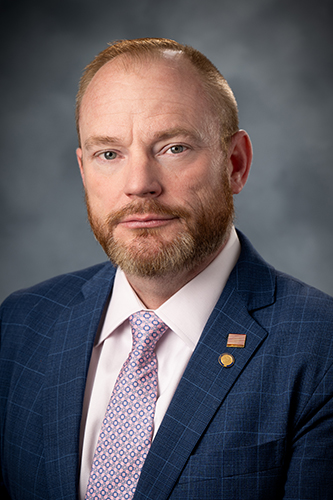
Key legislators
Who's moving water quality in West Virginia
Showing 4 of 4
bills
All environment bills
HB 5190 increases West Virginia's annual conservation funding by $300,000, with the additional funds allocated exclusively based on the head count of cattle and/or large livestock. This change directly affects land conservation grant programs, requiring that new funding distribution be tied to livestock numbers rather than other conservation criteria. The bill amends existing law to mandate this livestock-based allocation starting July 1, 2026. It does not alter the existing conservation criteria (like wildlife habitat or watershed protection) but specifies how the new $300,000 will be distributed. The change applies only to the incremental funding, not the existing conservation budget.
HB 4675, titled "Relating to 'Rain Tax'," would prohibit West Virginia municipalities from charging property owners a fee based on stormwater, runoff, rain, or similar precipitation-related factors. This bill amends state law to remove local governments' authority to impose such fees, directly affecting residential and commercial property owners who might have been charged for these services. The key mechanism is a clear prohibition on assessing any fee tied to precipitation management, replacing existing provisions that allowed stormwater fees under municipal ordinances. This change would require municipalities to find alternative funding methods for stormwater programs but does not specify new funding mechanisms.
Senate Bill 475 establishes rules for West Virginia state agencies regulating "chemicals of emerging concern" (like PFAS, microplastics, and nanomaterials). It prevents state rules from being stricter than existing federal standards for these chemicals, and requires any new state rules (where no federal standard exists) to be based on "best available science" and "weight of scientific evidence." The bill defines key terms like "best available science" to ensure regulations rely on reliable, peer-reviewed studies showing a direct link between chemical exposure and actual health harm. This directly affects state environmental and health agencies responsible for setting limits on water quality, air pollution, and hazardous materials.
HB 4949 establishes rules for West Virginia's regulation of "chemicals of emerging concern," including PFAS (like PFOS/PFOA), microplastics, nanomaterials, and other substances posing potential environmental or health risks. The bill prohibits state rules on these chemicals from being stricter than existing federal standards for the same topic. If no federal rule exists, state regulations must be based on "best available science" and the "weight of scientific evidence," requiring a direct link between chemical exposure and proven human harm (not just risk). This applies to areas like drinking water, air quality, hazardous waste, and contaminated site cleanup, affecting state agencies developing environmental regulations.