Issue · Education

Education (Student Financial Aid)

Every education bill, vote, and legislator stance in West Virginia, automatically classified by Maddy, our AI policy reader.

Total bills
44
2026 Regular Session
Top supporter
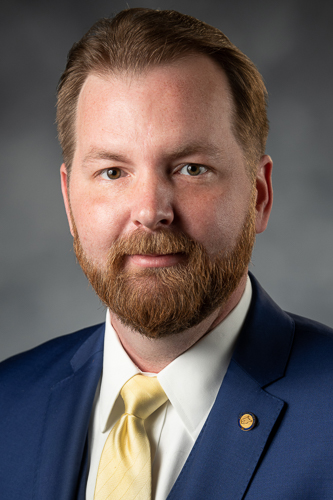
Bill Flanigan
90% support rate
Top opponent
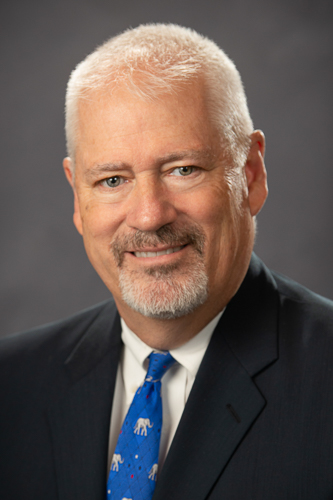
Marty Gearheart
0% support rate
Ranked legislators
10
5 support · 5 oppose
Key legislators

Who's moving student financial aid in West Virginia

Legislators moving student financial aid in West Virginia
Legislator Party Stance Support rate Votes
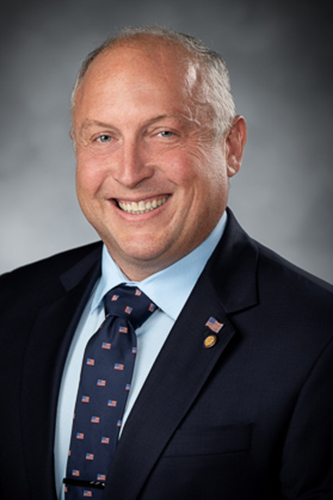
Bill Flanigan
Bill Flanigan House · District 4
R
Strong +
90% 10
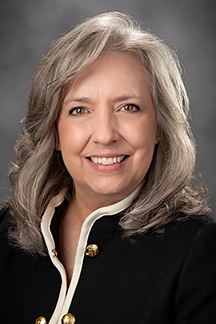
Erica Moore
Erica Moore House · District 15
R
Strong +
89% 9
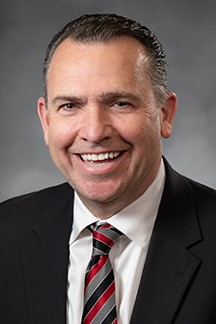
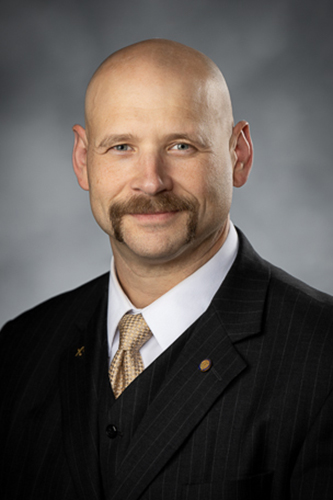
John Jordan
John Jordan House · District 42
R
Strong +
89% 9
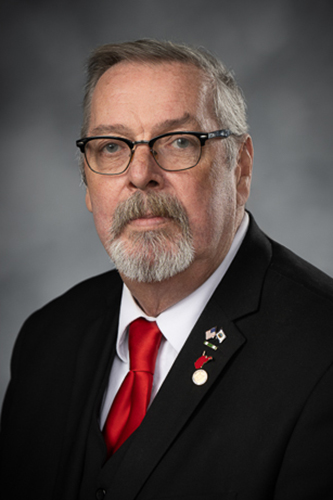
Marshall Clay
Marshall Clay House · District 51
R
Strong +
89% 9
Daniel Linville
Daniel Linville House · District 22
R
Strong +
88% 8
Marty Gearheart
Marty Gearheart House · District 37
R
Strong −
0% 4
Corby Dillon
Corby Dillon House · District 29
R
Strong −
20% 10
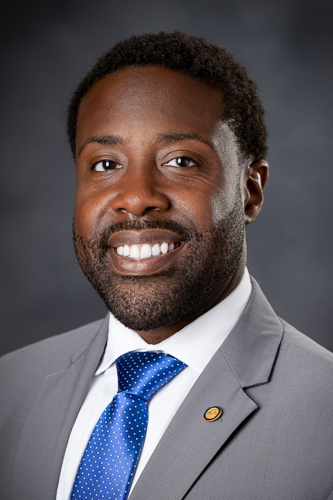
Sean Hornbuckle
Sean Hornbuckle House · District 25
D
Oppose
25% 8
Clay Riley
Clay Riley House · District 72
R
Oppose
25% 4
Evan Hansen
Evan Hansen House · District 79
D
Oppose
30% 10
Showing 41–44 of 44 bills

All education bills

in committee · West Virginia · House of Delegates Jan 21, 2026

HB 4701: Relating to the creation of the West Virginia Math & Science Teacher Scholarship Act

HB 4701 creates the West Virginia Math & Science Teacher Scholarship Act, providing debt relief to certified math, science, and special education teachers working in West Virginia public schools. Eligible teachers receive up to $2,000 after three years of service and an additional $2,000 after six years (capped at $4,000 total), contingent on holding a master's degree in their specialty field and meeting residency requirements. The program, administered by the state's education office, requires teachers to maintain employment in qualifying positions to receive funds. It will operate from January 1, 2027, through January 1, 2037, with a sunset provision.
in committee · West Virginia · House of Delegates Jan 20, 2026

HB 4611: Creating the Hope to Help Community Schools Act of 2026.

HB 4611 establishes "Public Community Micro Schools" (PCMS) for West Virginia public schools with fewer than 150 students, enabling parent-led conversion to give families direct control over school decisions. To become a PCMS, at least five parents must form a committee, secure a 2/3 vote from parents representing at least one-third of enrolled students, and gain approval for the school to operate under parent governance. PCMS schools would receive two dedicated funding streams: Hope Scholarship funds for staffing (via an "ESA" account) and per-pupil operational funds (for transportation and costs), while waiving most state staffing rules (except special needs requirements). The bill also allows PCMS to use alternative leadership models (like a head teacher) and vertical classroom integration, with parent committees retaining veto power over closures or consolidations.
in committee · West Virginia · House of Delegates Jan 23, 2026

HB 4119: Establishing the West Virginia TEACH Scholarship Program

This bill creates the West Virginia TEACH Scholarship Program to help child-care workers pursue higher education. It provides scholarships covering tuition and mandatory fees (up to the average cost at eligible institutions) for associate or bachelor's degrees in early childhood education at West Virginia public community colleges or universities. Recipients must agree to work in an eligible child-care facility in the state for a specified period after graduation. The program aims to address West Virginia's child-care crisis and boost workforce participation by making education affordable for current and future child-care providers.
passed · West Virginia · Senate Mar 3, 2026

SB 644: Requiring Economic Development Authority participate in federal tax credit scholarship program

This bill requires West Virginia's State Treasurer to participate in a federal tax credit scholarship program. Specifically, the Treasurer must annually identify and publish a list of qualified nonprofit scholarship organizations operating in the state by December 1st, accept applications year-round for inclusion on this list, and certify the list for federal submission. It defines eligible schools (meeting existing WV requirements) and students (eligible for public school enrollment), allowing scholarship funds to cover standard K-12 education expenses under federal rules. The bill directly affects the State Treasurer's office, scholarship organizations seeking to participate, and students receiving scholarships under the program.
Showing 41 to 44 of 44 bills
Previous 1 3 4 5