Issue · Education

Education (Higher Education)

Every education bill, vote, and legislator stance in West Virginia, automatically classified by Maddy, our AI policy reader.

Total bills
28
2026 Regular Session
Top supporter
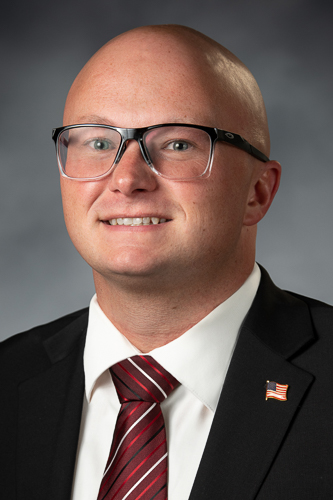
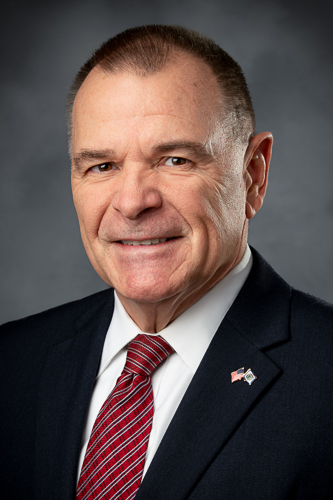
Andy Shamblin
100% support rate
Top opponent
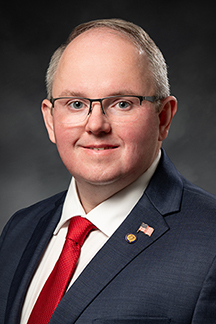
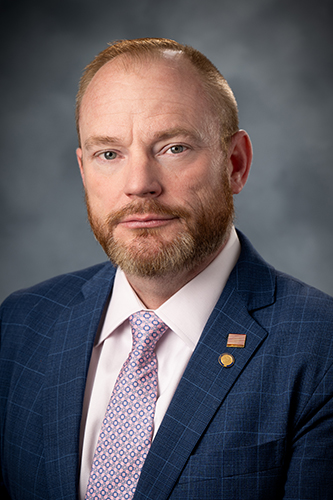
Bill Ridenour
0% support rate
Ranked legislators
10
5 support · 5 oppose
Key legislators

Who's moving higher education in West Virginia

Legislators moving higher education in West Virginia
Legislator Party Stance Support rate Votes
Andy Shamblin
Andy Shamblin House · District 59
R
Strong +
100% 4
Anitra Hamilton
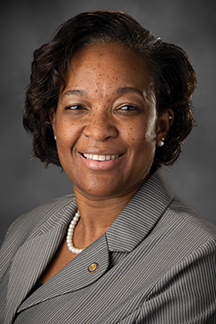
Anitra Hamilton House · District 81
D
Strong +
100% 4
Bill Anderson
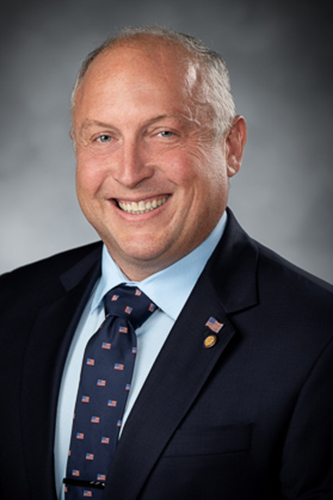
Bill Anderson House · District 10
R
Strong +
100% 4
Bill Bell
Bill Bell House · District 8
R
Strong +
100% 4
Bill Flanigan
Bill Flanigan House · District 4
R
Strong +
100% 4
Bill Ridenour
Bill Ridenour House · District 100
R
Strong −
0% 4
Chris Anders
Chris Anders House · District 97
R
Strong −
0% 4
Corby Dillon
Corby Dillon House · District 29
R
Strong −
0% 4
EC
Elías Coop-González House · District 67
R
Strong −
0% 4
Jim Butler
Jim Butler House · District 18
R
Strong −
0% 4
Showing 21–28 of 28 bills

All education bills

in committee · West Virginia · House of Delegates Feb 3, 2026

HB 4697: Require that any student in the 11th or 12th grade, who has been placed in a “free/elective/assistant” period, be informed of online college course opportunities available for them

HB 4697 requires West Virginia high schools to inform 11th and 12th grade students placed in "free" or "teacher-assistant" periods about available online college course opportunities. This applies specifically to students not enrolled in a regular class during those periods, such as during unscheduled free time or while assisting teachers. Schools must provide information on accessible online college courses but do not need to guarantee enrollment or cover costs. The bill aims to expand access to college-level coursework for high school students in non-traditional class settings. It adds this requirement to existing education code provisions without altering current course mandates.
in committee · West Virginia · Senate Jan 14, 2026

SB 177: Providing certified law-enforcement officers tuition-free education up to highest tuition rate for public higher education in WV

SB 177 provides tuition-free education for West Virginia certified law enforcement officers (LEOs) at public and private colleges, up to the highest public tuition rate in the state. It covers certificates, undergraduate degrees, master's degrees, and medical degrees (MD/DO), with officers limited to one degree per level (except for two MD/DO slots annually). Officers must serve one year for every year of tuition covered, and payments coordinate with existing benefits like the GI Bill or PROMISE Scholarship. The program is administered by the Secretary of Homeland Security, requiring legislative funding for implementation.
in committee · West Virginia · Senate Jan 30, 2026

SB 675: Relating to composition of boards of governors in higher education

SB 675 requires each of West Virginia's 19 public colleges and universities to elect a student representative who serves with voting power on their governing board. It specifies board sizes (12-19 members), mandates that appointed members reflect political party balance (e.g., no more than 5 of 9 from one party), and requires at least 5 of 9 appointed members to be state residents. For West Virginia University specifically, the bill adds requirements for an agriculture representative and a graduate of WVU Institute of Technology. The bill maintains non-voting advisory roles for elected faculty and employee representatives at all institutions.
Sub-Topics Higher Education
in committee · West Virginia · House of Delegates Feb 5, 2026

HB 4446: Firefighter Pilot Program

HB 4446 establishes a four-year pilot program in Kanawha, Ohio, Mineral, and Raleigh counties to provide free Fire Fighter I and II training through community colleges. It directly affects eligible high school and college students in those counties by covering tuition and fees for courses meeting West Virginia State Fire Commission standards. The program requires each county to provide at least one certified fire service instructor, funded by the Higher Education Policy Commission, with annual reports tracking participation, certifications earned, costs, and student employment. The pilot runs from July 2026 through June 2030, with mandatory evaluations to determine future expansion or termination.
Sub-Topics Higher Education K-12 Education Tags Public Safety
in committee · West Virginia · Senate Jan 14, 2026

SB 125: Providing medical examination transportation services for students who seek support after experiencing sexual violence

SB 125 requires West Virginia public colleges and universities to provide free, confidential transportation to students seeking a sexual assault forensic medical examination (commonly called a "rape kit" exam) at a hospital. This applies to students who request the exam after experiencing sexual violence, with transportation options including campus staff, rape crisis centers, ride-sharing services, or non-law enforcement vehicles (students cannot be forced to use police transport). The requirement begins for the 2027-2028 academic year and must be implemented "to the extent practicable" while protecting student safety and confidentiality. The bill does not mandate specific transportation methods but ensures students receive support without cost or privacy concerns.
in committee · West Virginia · Senate Jan 14, 2026

SB 69: Requiring higher education institutions to accept Classic Learning Test

SB 69 requires West Virginia's public colleges and universities to accept the Classic Learning Test (CLT) as a valid standardized test for college admissions, alongside the ACT and SAT. It directly affects students applying to these institutions who take the CLT, ensuring they cannot be forced to take additional tests if they meet the CLT score requirements. The bill amends existing law to explicitly include the CLT in the list of accepted tests, preventing institutions from requiring alternate assessments for admission. This change provides more testing options for applicants without altering the core admission criteria or requirements.
vetoed · West Virginia · House of Delegates Apr 2, 2026

HB 4002: Establishing the West Virginia Collaboratory

HB 4002 establishes the West Virginia Collaboratory at Marshall University to connect state university research with practical needs of government and citizens. It directs the Collaboratory to focus on workforce development, education, economic growth, and environmental research, requiring state and local agencies to provide free access to infrastructure, personnel, and data for its projects. The bill sets specific funding rules, prohibiting university overhead fees on allocated funds and ensuring funds remain available until spent. An advisory group of legislators, university leaders, and public experts will guide research priorities and review reports, all while exempting advisory meetings from public record requirements.
Sub-Topics Higher Education
in committee · West Virginia · House of Delegates Jan 23, 2026

HB 4119: Establishing the West Virginia TEACH Scholarship Program

This bill creates the West Virginia TEACH Scholarship Program to help child-care workers pursue higher education. It provides scholarships covering tuition and mandatory fees (up to the average cost at eligible institutions) for associate or bachelor's degrees in early childhood education at West Virginia public community colleges or universities. Recipients must agree to work in an eligible child-care facility in the state for a specified period after graduation. The program aims to address West Virginia's child-care crisis and boost workforce participation by making education affordable for current and future child-care providers.
Showing 21 to 28 of 28 bills