Issue · Education

Education

Every education bill, vote, and legislator stance in West Virginia, automatically classified by Maddy, our AI policy reader.

Total bills
289
2026 Regular Session
Top supporter
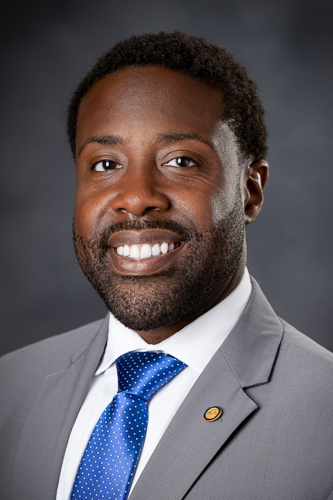
Mickey Petitto
100% support rate
Top opponent
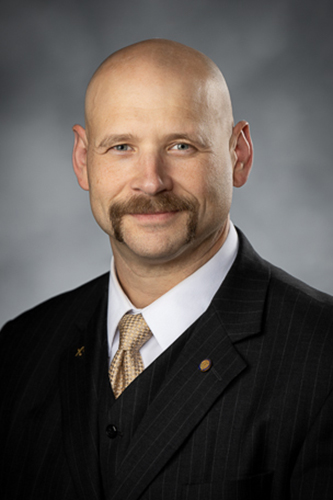
Corby Dillon
17% support rate
Ranked legislators
10
5 support · 5 oppose
Key legislators

Who's moving education in West Virginia

Legislators moving education in West Virginia
Legislator Party Stance Support rate Votes
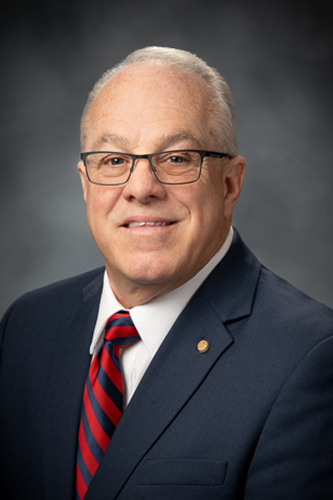
Mickey Petitto
Mickey Petitto House · District 70
R
Strong +
100% 29
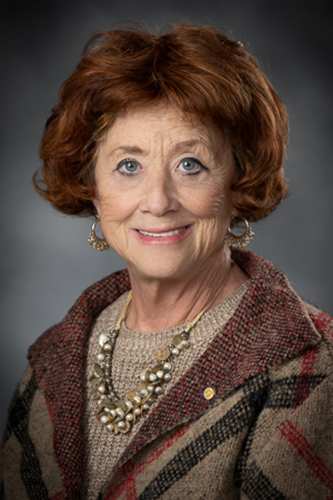
Erica Moore
Erica Moore House · District 15
R
Strong +
94% 46
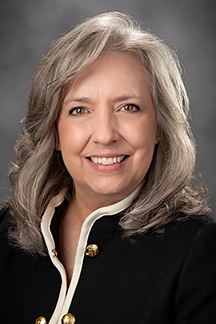
Jimmy Willis
Jimmy Willis House · District 3
R
Strong +
94% 44
John Jordan
John Jordan House · District 42
R
Strong +
94% 43
Joe Parsons
Joe Parsons House · District 16
R
Strong +
93% 37
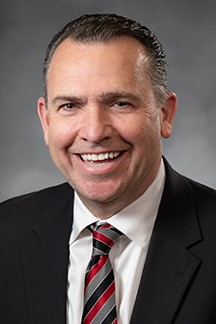
Corby Dillon
Corby Dillon House · District 29
R
Strong −
17% 47
Sean Hornbuckle
Sean Hornbuckle House · District 25
D
Oppose
33% 40
Evan Hansen
Evan Hansen House · District 79
D
Oppose
33% 47
Joey Garcia
Joey Garcia Senate · District 13
D
Oppose
33% 12
Shawn Fluharty
Shawn Fluharty House · District 5
D
Oppose
33% 44
Showing 261–270 of 289 bills

All education bills

in committee · West Virginia · Senate Feb 24, 2026

SB 619: Creating Stop the Bleed Act

SB 619, the Stop the Bleed Act, requires West Virginia public schools to implement bleeding control programs starting in the 2026-2027 school year. It mandates schools to place bleeding control kits (containing tourniquets, bandages, gauze, gloves, and DHS/ACS instructional materials) in accessible locations, train staff every other year on wound control techniques, and integrate bleeding control education into high school curricula for grades 9-12. The bill also requires annual kit inspections, post-use restocking, and provides civil immunity for school personnel using kits unless gross negligence occurs. Funding may come from private donations or legislative appropriations. This law directly affects all West Virginia county school districts and their students and staff.
in committee · West Virginia · Senate Jan 14, 2026

SB 57: Exempting ad valorem property tax on property used for divine worship, educational, and charitable purposes

SB 57 amends West Virginia law to explicitly include property used for educational and charitable activities on land primarily for divine worship (like churches) under the existing property tax exemption. This means churches operating schools, daycare centers, or community programs on their property will now qualify for full tax exemption on that land, not just the worship space. The bill clarifies that if a portion of religious property serves educational, literary, scientific, or charitable purposes - such as a church-run school or community center - the entire property remains exempt. It directly affects religious organizations and nonprofits using their land for these combined purposes. The change refines existing law (§11-3-9) without creating new exemptions.
in committee · West Virginia · Senate Jan 14, 2026

SB 224: Creating Support for Neglected Schools Act

SB 224 reorganizes how West Virginia allocates existing school construction funds to prioritize facility improvements. It sets aside 10% of available funds for statewide projects (like school construction), 5% specifically for multi-use vocational-technical facilities (including post-secondary programs), and 2% for emergency repairs. The bill requires school authorities and county boards to submit approved 10-year facility plans before receiving funds and prioritizes vocational-technical projects that partner with community colleges. It directly affects school districts, county boards, and vocational centers by changing how they access state funding for facility upgrades.
in committee · West Virginia · House of Delegates Jan 29, 2026

HB 4955: To ensure that classroom sizes are equal without losing a teachers aide

This bill establishes specific class size limits for West Virginia public schools: kindergarten classes must have no more than 20 students per teacher with an aide (for classes over 10 students), and grades 1-3 must have no more than 25 students per teacher with an aide, phased in from the 2023-2024 school year through 2025-2026. It requires counties to maintain these ratios in K-6 classrooms, allowing interventionists as an alternative staffing option for grades 4-6. The law directly affects K-6 teachers and students by mandating smaller class sizes to maximize teacher-student interaction time and support staff utilization.
in committee · West Virginia · House of Delegates Jan 27, 2026

HB 4844: Modify the procedure for teachers when using leave

HB 4844 modifies West Virginia teachers' personal leave policies. It increases the annual leave without cause from four to five days (effective July 2023), requires 14 days' notice for consecutive days off or 24 hours for non-consecutive days (with exceptions for emergencies), and mandates substitute coverage for classroom absences. The bill also establishes "leave banks" allowing teachers to contribute up to two days annually, which can be used by colleagues with fewer than five accumulated days for illness or accidents, but not for retirement or insurance purposes. These changes directly affect all full-time public school teachers in West Virginia county school districts.
Sub-Topics Teachers
in committee · West Virginia · House of Delegates Jan 16, 2026

HB 4438: Relating to Sexual Abuse Prevention Screening, Hiring and Dismissal Requirements

HB 4438 requires all West Virginia schools and school contractors to conduct background checks on applicants for positions involving direct contact with children. It mandates that applicants provide written consent for schools to verify their employment history, including any past abuse investigations, disciplinary actions, or license suspensions related to misconduct. Schools must review this information using a standardized form from the education department and confirm the applicant’s employment eligibility before hiring. Violations, such as providing false information, can result in denied employment or professional discipline.
Sub-Topics School Safety
in committee · West Virginia · House of Delegates Jan 27, 2026

HB 4851: Relating to creating a moratorium on school closures and consolidations pending a West Virginia Department of Education (“WVDE”) school aid formula proposal.

HB 4851 creates a statewide moratorium on public school closures and consolidations (except for catastrophic structural failures or unresolved safety hazards) until the West Virginia Department of Education (WVDE) proposes changes to the school funding formula. The bill requires WVDE to review school closures considered over the past five years and propose funding adjustments aimed at preventing at least 80% of closures previously justified by financial or operational reasons. This moratorium applies to all school districts and remains in effect until the Legislature acts on WVDE’s proposed formula changes. The bill directly affects school districts considering closures and mandates WVDE to develop a revised funding approach before any closures can proceed.
Sub-Topics School Funding
in committee · West Virginia · House of Delegates Jan 29, 2026

HB 4939: To provide $10,000 a year salary increase for any teacher who goes through the National Board Certification process and becomes nationally certified

HB 4939 would provide West Virginia classroom teachers with a $10,000 annual salary increase for holding National Board Certification (NBC) through the National Board for Professional Teaching Standards, for up to 10 years. The increase would be paid in addition to the state’s minimum salary schedule in equal monthly installments. Teachers would also receive reimbursement of up to $600 for initial certification fees and for renewal certification fees.
Sub-Topics Teachers
introduced · West Virginia · Senate Jan 14, 2026

SB 216: Restoring Private Schools Act of 2026

This bill, SB 216 (Restoring Private Schools Act of 2026), clarifies and updates requirements for private, parochial, and church schools in West Virginia. It mandates these schools to maintain attendance and immunization records, comply with fire/safety inspections, and establish crisis plans. The key provision requires all such schools to administer annually a nationally normed standardized test (matching public school grade/subject requirements) with participation rates equal to public schools, while allowing special education schools alternative assessment methods. Schools must share test results with parents and the state education department upon request. The bill preserves schools' autonomy over curriculum and instruction but formalizes testing and recordkeeping standards.
in committee · West Virginia · House of Delegates Jan 20, 2026

HB 4611: Creating the Hope to Help Community Schools Act of 2026.

HB 4611 establishes "Public Community Micro Schools" (PCMS) for West Virginia public schools with fewer than 150 students, enabling parent-led conversion to give families direct control over school decisions. To become a PCMS, at least five parents must form a committee, secure a 2/3 vote from parents representing at least one-third of enrolled students, and gain approval for the school to operate under parent governance. PCMS schools would receive two dedicated funding streams: Hope Scholarship funds for staffing (via an "ESA" account) and per-pupil operational funds (for transportation and costs), while waiving most state staffing rules (except special needs requirements). The bill also allows PCMS to use alternative leadership models (like a head teacher) and vertical classroom integration, with parent committees retaining veto power over closures or consolidations.
Showing 261 to 270 of 289 bills
Previous 1 26 27 28 29 Next