Issue · Education

Education

Every education bill, vote, and legislator stance in West Virginia, automatically classified by Maddy, our AI policy reader.

Total bills
289
2026 Regular Session
Top supporter
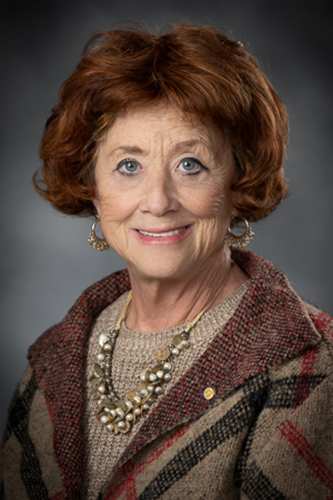
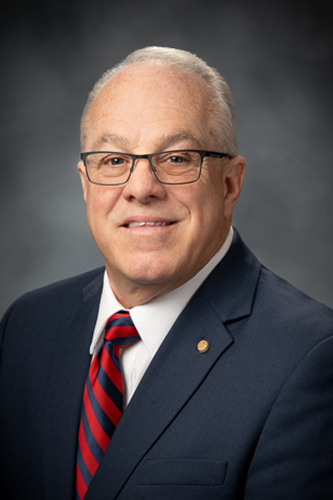
Mickey Petitto
100% support rate
Top opponent
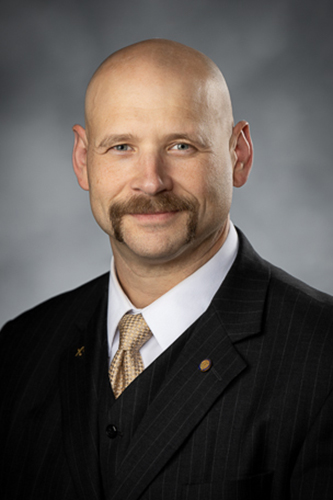
Corby Dillon
17% support rate
Ranked legislators
10
5 support · 5 oppose
Key legislators

Who's moving education in West Virginia

Legislators moving education in West Virginia
Legislator Party Stance Support rate Votes
Mickey Petitto
Mickey Petitto House · District 70
R
Strong +
100% 29
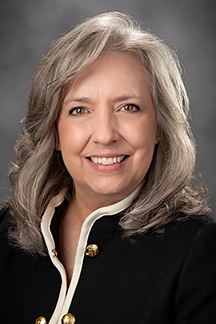
Erica Moore
Erica Moore House · District 15
R
Strong +
94% 46
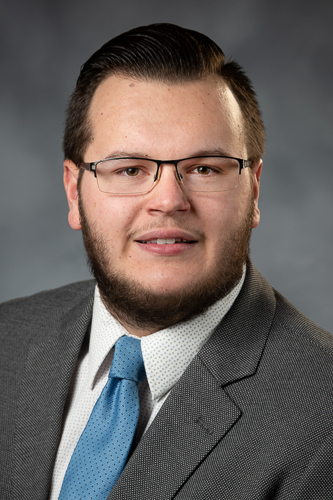
Jimmy Willis
Jimmy Willis House · District 3
R
Strong +
94% 44
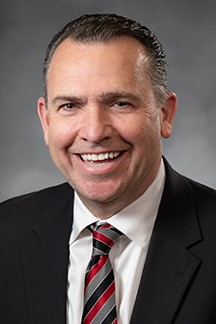
John Jordan
John Jordan House · District 42
R
Strong +
94% 43
Joe Parsons
Joe Parsons House · District 16
R
Strong +
93% 37
Corby Dillon
Corby Dillon House · District 29
R
Strong −
17% 47
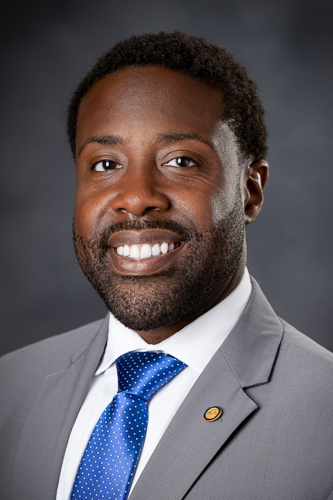
Sean Hornbuckle
Sean Hornbuckle House · District 25
D
Oppose
33% 40
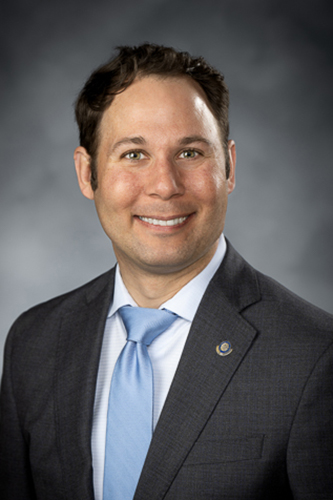
Evan Hansen
Evan Hansen House · District 79
D
Oppose
33% 47
Joey Garcia
Joey Garcia Senate · District 13
D
Oppose
33% 12
Shawn Fluharty
Shawn Fluharty House · District 5
D
Oppose
33% 44
Showing 161–170 of 289 bills

All education bills

in committee · West Virginia · House of Delegates Jan 29, 2026

HB 4942: To establish requirements for adult supervision on county school buses

HB 4942 requires a second adult to be present on West Virginia county school buses when elementary students (pre-kindergarten through 4th grade) are riding with middle or high school students (5th grade and above). This applies specifically to bus routes where younger children are mixed with older students. The bill mandates this additional adult to maintain order and safety during transportation. It directly affects county school bus systems operating routes with mixed-age groups in the specified grade ranges. The requirement is triggered only when elementary-aged children are present alongside middle/high school-aged students on the same bus route.
in committee · West Virginia · Senate Jan 14, 2026

SB 51: Requiring course in public schools on human development

SB 51, titled the "Baby Olivia Act," requires all West Virginia public schools to teach a mandatory course on human growth and development starting in third grade. The course must include two specific educational materials: a high-definition ultrasound video showing fetal organ development and the "Meet Baby Olivia" video detailing human development from conception to birth. The State Board of Education is authorized to adopt curriculum rules, and the Attorney General can enforce compliance with civil penalties for nonadherence. This law directly affects public school students in grades three and above across the state.
Sub-Topics Curriculum
in committee · West Virginia · Senate Jan 21, 2026

SB 551: Restoring voting rights to faculty, student, and employee members of institutional boards of governors

SB 551 amends West Virginia law to restore voting rights for faculty, student, and employee members currently serving as nonvoting advisors on boards of governors at 19 public universities and community colleges. The bill changes their status from "nonvoting, advisory" to full voting members, directly affecting institutions like West Virginia University, Marshall University, and West Virginia State University. Key provisions remove the nonvoting designation from statutes governing these positions, allowing faculty (rank of instructor or above), students (in good academic standing), and employees (classified or non-classified) to vote on board decisions. This policy change aims to increase institutional representation without altering board composition or appointment processes.
Sub-Topics Higher Education
in committee · West Virginia · House of Delegates Jan 21, 2026

HB 4670: To create a pilot program that would exempt certain counties from provisions of the Education code.

HB 4670 creates a voluntary pilot program allowing West Virginia counties to opt out of the state's standard education funding formula and certain education code requirements. Participating counties would receive a fixed block grant equal to their current funding and gain control over staffing, salaries, class sizes, testing (including optional SAT/ACT), graduation requirements, and school calendars. The program excludes counties recently taken over by the state board or declared financially distressed, and requires a 2028 report to the Legislative Oversight Commission on Education Accountability. This bill directly affects participating counties by shifting decision-making authority from state mandates to local control over education operations.
in committee · West Virginia · House of Delegates Jan 23, 2026

HB 4794: Requiring high school students to pass a test on the US Constitution to graduate from high school

HB 4794 requires all high school students in West Virginia to pass a test on the U.S. Constitution to graduate. The State Board of Education must create the test, which mandates an 85% passing score and makes content publicly available. Students who fail can retake the test weekly until they meet the threshold. This applies to all high school students in grades 9-12 and takes effect July 1, 2026. The bill aims to ensure graduating seniors demonstrate foundational knowledge of constitutional principles.
passed · West Virginia · House of Delegates Mar 11, 2026

HB 4656: Relating to chronic absenteeism

HB 4656 modifies West Virginia's school attendance laws by ending the compulsory attendance requirement at age 18 (previously 17), meaning 18-year-olds no longer face penalties for chronic absenteeism. It replaces "truancy" with "chronic absenteeism," removes criminal penalties for 18-year-olds, and requires schools to notify them directly about unexcused absences - same as parents. The bill establishes new referral pathways to human services for wrap-around support, shifts handling of chronic absenteeism to juvenile welfare (not criminal) proceedings, and defines key terms like "student support specialist." It directly affects students aged 17-18, school staff, and county human services departments.
Sub-Topics Juvenile Justice
in committee · West Virginia · House of Delegates Jan 21, 2026

HB 4633: Enrollment Stabilizer for Budget Planning

HB 4633, titled "Enrollment Stabilizer for Budget Planning," adds §18-9A-29 to West Virginia law to stabilize school funding calculations. The bill requires county school boards to use the highest of three enrollment measures when calculating state aid: actual enrollment, 98% of the prior year’s enrollment, or a three-year rolling average. This mechanism aims to reduce budget volatility caused by annual enrollment fluctuations for public schools. The change directly affects all West Virginia county school boards and their budget planning under the Public School Support Program.
in committee · West Virginia · House of Delegates Jan 29, 2026

HB 4952: Related to the establishment of the Charter School Direct Loan Program and the Charter School Credit Enhancement Program within the West Virginia Economic Development Authority

HB 4952 establishes two new financing programs within the West Virginia Economic Development Authority to support public charter schools. The Charter School Direct Loan Program provides loans for charter school facility acquisition or improvements, while the Charter School Credit Enhancement Program helps schools secure bonds by reducing financing risks. Both programs create dedicated state treasury funds (the Direct Loan Fund and Credit Enhancement Fund) managed by the Authority, with all funding sourced from charter school repayments - not state general funds. The bill explicitly states these programs do not create state debt, moral obligations, or liabilities for counties or school districts. This directly affects qualifying public charter schools seeking financing for facilities or equipment.
in committee · West Virginia · House of Delegates Jan 20, 2026

HB 4572: Rural School Flexibility & Innovation Pilot Act

HB 4572 creates a pilot program allowing West Virginia county boards to designate struggling rural public schools as "Rural Innovation Schools" to prevent closures. It provides these schools with specific flexibilities unavailable to traditional public schools, including class-size waivers, staffing flexibility (like certification exemptions and bypassing seniority rules), calendar/scheduling adjustments, budget repurposing authority, and curricular choices - while keeping them under county board governance. Schools must meet criteria like low enrollment, geographic isolation, or recent closure threats to qualify, and must enter a performance agreement with the state charter school board for three-year reviews. The program also allows schools closed within the past two years to apply for reopening under these provisions if facilities are safe and viable.
Sub-Topics School Choice Tags Rural Communities
in committee · West Virginia · Senate Jan 20, 2026

SB 166: Relating to eligibility for WV Invests Grant Program

SB 166 amends West Virginia's WV Invests Grant Program to include associate degrees and certificates in emergency medical services (EMS) as eligible post-secondary programs. This change directly affects West Virginia residents pursuing EMS credentials by allowing them to qualify for the grant, which covers tuition and fees at participating institutions. The bill modifies the eligibility requirements in §18C-9-5(a)(8) to explicitly include EMS programs, without altering other existing grant terms like residency, academic standards, or the repayment agreement for graduates who leave the state.
Showing 161 to 170 of 289 bills
Previous 1 16 17 18 29 Next