Issue · Criminal Justice

Criminal Justice

Every criminal justice bill, vote, and legislator stance in West Virginia, automatically classified by Maddy, our AI policy reader.

Total bills
86
2026 Regular Session
Top supporter
Elliott Pritt
80% support rate
Top opponent
Guy Ward
12% support rate
Ranked legislators
10
5 support · 5 oppose
Key legislators

Who's moving criminal justice in West Virginia

Legislators moving criminal justice in West Virginia
Legislator Party Stance Support rate Votes
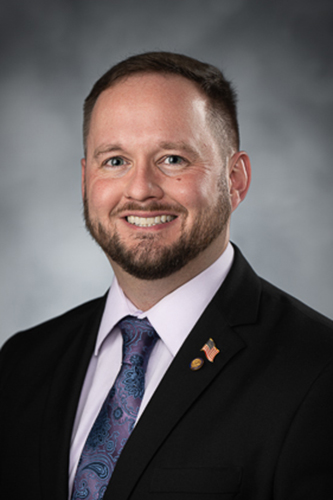
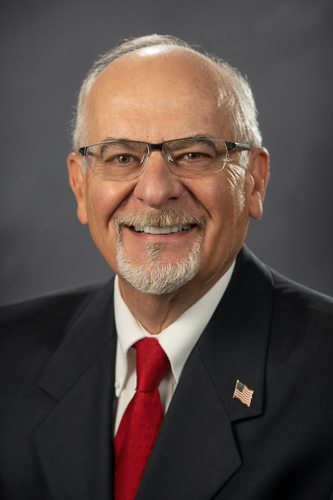
Elliott Pritt
Elliott Pritt House · District 50
R
Strong +
80% 24
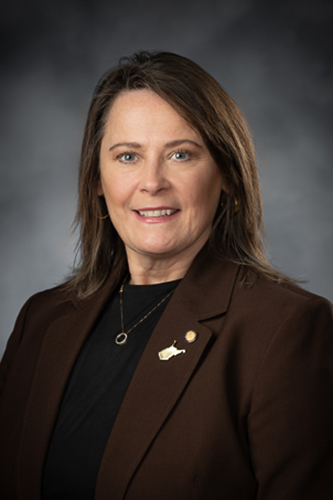
Margitta Mazzocchi
Margitta Mazzocchi House · District 31
R
Support
71% 27
Tresa Howell
Tresa Howell House · District 52
R
Support
67% 29
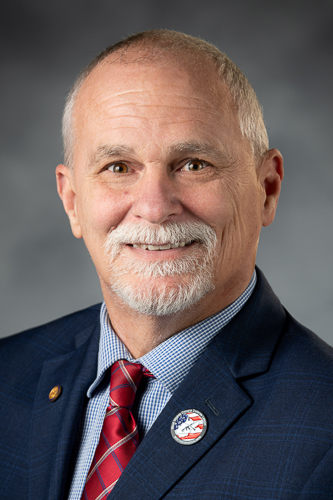
Chuck Horst
Chuck Horst House · District 95
R
Support
67% 29
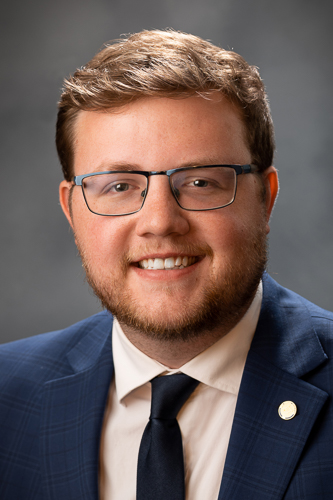
Corby Dillon
Corby Dillon House · District 29
R
Support
67% 29
Guy Ward
Guy Ward House · District 74
R
Strong −
12% 28
Jarred Cannon
Jarred Cannon House · District 21
R
Strong −
14% 24
Betsy Kelly
Betsy Kelly House · District 9
R
Strong −
14% 21
Mickey Petitto
Mickey Petitto House · District 70
R
Strong −
17% 20
Phil Mallow
Phil Mallow House · District 75
R
Oppose
22% 29
Showing 31–40 of 86 bills

All criminal justice bills

in committee · West Virginia · Senate Jan 14, 2026

SB 205: Increasing penalties and parole eligibility requirements for homicide

SB 205 increases prison terms for second-degree murder (to 15-60 years) and voluntary manslaughter (to 5-25 years) in West Virginia. It also raises the minimum time served before parole eligibility to 15 years for second-degree murder and 5 years for voluntary manslaughter. The bill directly affects individuals convicted of these specific violent crimes, requiring longer sentences before parole consideration. These changes amend existing sentencing statutes without altering parole eligibility for other offenses.
in committee · West Virginia · Senate Jan 14, 2026

SB 158: Patrolman Cassie Marie Johnson Memorial Act

This bill, formally titled the Patrolman Cassie Marie Johnson Memorial Act, amends West Virginia's murder sentencing laws to require the death penalty for first-degree murder when specific aggravating circumstances exist - particularly if the victim was a law enforcement officer killed in the line of duty. It establishes new procedures for jury sentencing, including requiring unanimous jury decisions on death penalty imposition based on specified aggravating factors (like killing an officer) and mitigating circumstances. The bill also mandates lethal injection as the execution method, requires automatic Supreme Court review of death sentences, and specifies protocols for handling death penalty cases, such as forensic DNA testing and transfer to correctional facilities. The memorial name honors Patrolman Cassie Marie Johnson but does not alter the bill's substantive legal provisions.
signed · West Virginia · House of Delegates Jun 29, 2026

HB 4712: Increasing the criminal penalties for DUI causing death to be known as “Baylea’s Law.”

HB 4712, known as "Baylea's Law," increases criminal penalties for drivers convicted of DUI that causes death or injury in West Virginia. It raises prison sentences to 3-30 years for DUI causing death (up from prior limits), 2-10 years for serious bodily injury, and up to 1 year for lesser bodily injury. The bill also mandates license revocation for 10 years (or permanently) for DUI causing death, 5 years for serious injury, and 2 years for minor injuries, with options to reinstate through a "test and lock program." This law directly affects drivers convicted of DUI-related offenses resulting in harm to others, including minors or fetuses as defined by the law.
Sub-Topics Corrections
in committee · West Virginia · House of Delegates Jan 14, 2026

HB 4131: Create a Police Officer’s Bill of Rights

HB 4131, titled "Create a Police Officer’s Bill of Rights," establishes procedural protections for law enforcement officers in West Virginia. It defines "law-enforcement officer" broadly to include state police, campus police, hospital police, and others (excluding chiefs and some specialized roles), and creates specific rights during investigations, such as the right to a hearing board, protection against retaliation for reporting misconduct, and limits on disclosure of personal financial information. Key mechanisms include requiring formal hearings for complaints, prohibiting disciplinary action for exercising these rights, and ensuring officers cannot be punished for reporting issues like gross mismanagement or safety dangers. The bill supersedes conflicting local laws but does not limit a chief's authority for non-punitive management decisions.
in committee · West Virginia · House of Delegates Jan 20, 2026

HB 4085: To increase penalties for selling or facilitating the sale of alcohol to a minor.

HB 4085 increases criminal penalties for selling or facilitating alcohol sales to minors under 21 in West Virginia. It amends sections of the state code (§11-16-18, §11-16-19, and §60-3A-24) to raise fines and potential jail time for licensees, employees, or others who sell or provide alcohol to underage individuals. The bill directly affects bars, restaurants, and retailers that serve alcohol, as well as staff who violate these rules. Key provisions include stricter enforcement of existing prohibitions against serving minors and enhanced penalties for violations. The bill aims to strengthen deterrence against underage alcohol access without changing the underlying prohibition.
Sub-Topics Corrections
in committee · West Virginia · House of Delegates Jan 26, 2026

HB 4829: Make speeds that exceed 30MPH over the speed limit reckless driving

HB 4829 amends West Virginia law to define driving more than 30 miles per hour over posted speed limits as reckless driving. This directly affects drivers who exceed speed limits by 30+ mph on public roads, school zones, state parks, or educational institution properties. The bill establishes penalties: a first offense carries up to 90 days in jail or a $500 fine, with harsher penalties for repeat offenses or if the speeding causes serious injury. Exceptions include temporarily closed racing events and designated recreational vehicle areas within state parks.
in committee · West Virginia · House of Delegates Jan 22, 2026

HB 4761: Raise the Penalties for Murder and attempted Murder

HB 4761 modifies parole eligibility for individuals convicted of murder or attempted murder in West Virginia. It increases the minimum time inmates must serve before becoming parole-eligible: 20 years for second-degree murder (up from 10), and 10-40 years for attempted first-degree murder (up from 3-15) or 5-20 years for attempted second-degree murder (up from 1-3). The bill also adds provisions allowing prosecutors and victims' families to attend parole hearings remotely or in person. These changes directly affect inmates serving sentences for these specific violent offenses. The bill does not alter sentence lengths but restricts early release opportunities for these crimes.
Sub-Topics Probation & Parole
in committee · West Virginia · House of Delegates Jan 20, 2026

HB 4557: To create the felony offense for protestors blocking passage on streets and highways.

HB 4557 creates a new criminal offense for intentionally blocking public streets, highways, or sidewalks used by the public, defining "obstruct" as making passage impassable, unreasonably inconvenient, or hazardous. It directly affects individuals who protest by blocking roadways, including those who ignore law enforcement requests to move. The bill establishes misdemeanor penalties ($500+ fine, 1+ month jail) for basic violations, and felony penalties ($1,000+ fine, 3 months-3 years jail) for repeat offenses, blocking emergency vehicles, or obstructing hospital access. The law applies to any person acting without legal authority to block public passageways.
in committee · West Virginia · House of Delegates Jan 21, 2026

HB 4648: To ensure felonies or violent misdemeanors are not eligible for personal recognizance discharge from jail

HB 4648 amends West Virginia's bail laws to require individuals accused of felonies or violent misdemeanors to post bond before being released from jail, eliminating their eligibility for release on personal recognizance (i.e., without posting money or collateral). The bill specifically prohibits judges from releasing such defendants without bail and increases the cash bail threshold for nonviolent felonies, with annual inflation adjustments starting July 1, 2026. These changes apply directly to people charged with offenses covered under the bill’s definitions, including violent misdemeanors involving threats, weapons, or minors. The law modifies sections §62-1C-1 and §62-1C-1a of the West Virginia Code to enforce these bail requirements.
Sub-Topics Corrections
in committee · West Virginia · Senate Jan 14, 2026

SB 184: Prohibiting camping in public places

SB 184 prohibits camping in public places like sidewalks, streets, parks, or under bridges without permission from the managing authority, except for recreation or emergency shelter during disasters. It defines "camp" as temporarily residing with shelter (including tents or makeshift structures) and sets penalties for violations as a misdemeanor, with fines of $100-$1,000, community service, or for a first offense, a free one-way bus ticket to one of six major cities. Officers must attempt to provide alternatives - such as information on services - before issuing a citation, unless an immediate safety threat exists. The bill does not override stricter local ordinances on public camping.
Showing 31 to 40 of 86 bills
Previous 1 3 4 5 9 Next