Issue · Criminal Justice

Criminal Justice (Corrections)

Every criminal justice bill, vote, and legislator stance in West Virginia, automatically classified by Maddy, our AI policy reader.

Total bills
50
2026 Regular Session
Top supporter
Elliott Pritt
100% support rate
Top opponent
Mickey Petitto
0% support rate
Ranked legislators
10
5 support · 5 oppose
Key legislators

Who's moving corrections in West Virginia

Legislators moving corrections in West Virginia
Legislator Party Stance Support rate Votes
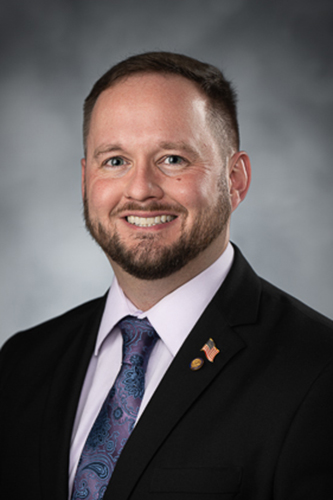
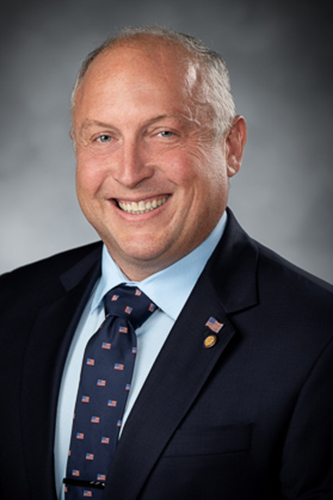
Elliott Pritt
Elliott Pritt House · District 50
R
Strong +
100% 3
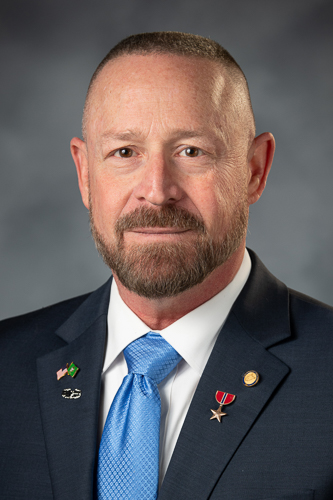
Doug Smith
Doug Smith House · District 39
R
Support
75% 4
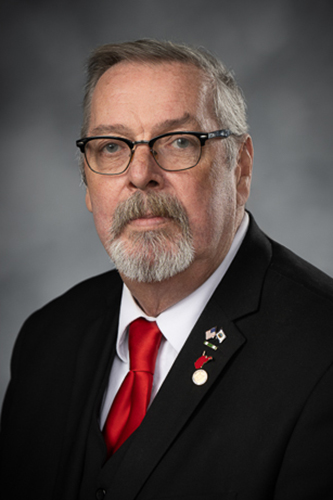
Jonathan Pinson
Jonathan Pinson House · District 17
R
Support
75% 4
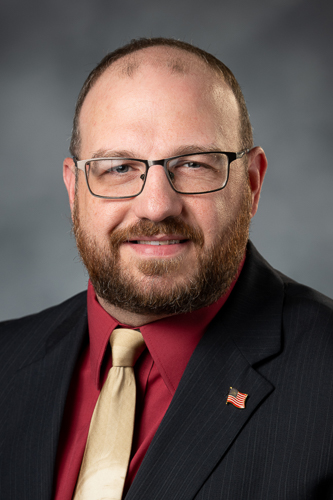
Margitta Mazzocchi
Margitta Mazzocchi House · District 31
R
Support
75% 4
Marshall Clay
Marshall Clay House · District 51
R
Support
75% 4
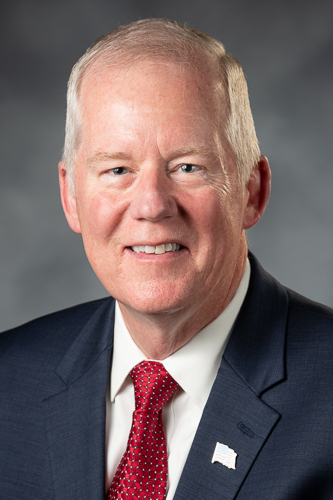
Mickey Petitto
Mickey Petitto House · District 70
R
Strong −
0% 3
Adam Vance
Adam Vance House · District 35
R
Oppose
25% 4
Bill Anderson
Bill Anderson House · District 10
R
Oppose
25% 4
Bill Flanigan
Bill Flanigan House · District 4
R
Oppose
25% 4
Bob Fehrenbacher
Bob Fehrenbacher House · District 11
R
Oppose
25% 4
Showing 11–20 of 50 bills

All criminal justice bills

in committee · West Virginia · House of Delegates Feb 13, 2026

HB 5493: Provide a penalty of chemical castration or surgical castration for sex abuse crimes against minors.

HB 5493 would require West Virginia courts to offer convicted sex offenders (specifically those found guilty of crimes against minors under §61-8-12 or related statutes) a choice between hormone treatment (medroxyprogesterone acetate or MPA) or surgical castration as an additional penalty, alongside standard sentencing. Courts must first confirm a defendant's medical suitability for MPA treatment through a court-appointed expert, and the treatment duration is specified in the sentence. Refusing MPA treatment after sentencing could result in a 1-5 year prison term. The bill also mandates a prerelease risk assessment for these offenders before their release from prison.
in committee · West Virginia · House of Delegates Feb 2, 2026

HB 5020: To prohibit a convicted felons of sexual assault, or abuse of juveniles on public school property

HB 5020 prohibits individuals on the state sex offender registry, convicted of sexual assault, or convicted of juvenile abuse from entering public school property or attending school events. It directly affects these individuals and requires schools to hold parent-teacher conferences with them via phone or virtual meeting instead of on-site. Violating this ban is a misdemeanor for a first offense (up to six months in jail) and a felony for repeat offenses (one to five years in prison). The bill also allows the State Board of Education to create implementing rules.
signed · West Virginia · House of Delegates Jun 29, 2026

HB 5101: The Joanna Phillips Domestic Violence Prevention Act

HB 5101, the Joanna Phillips Domestic Violence Prevention Act, increases penalties for specific domestic violence offenses in West Virginia. It raises the minimum prison sentence for strangulation, suffocation, or asphyxiation of a family or household member (causing injury or loss of consciousness) from one year to two years, and for repeat offenders from one year to three years. For second offenses of domestic battery or assault, the bill sets a minimum jail term of 60 days and increases the maximum fine from $500 to $4,000. The bill also alters bail requirements for domestic violence cases to enhance victim safety protections.
passed · West Virginia · Senate Mar 5, 2026

SB 986: Relating to child torture and abused children

This bill creates a new criminal offense called "child torture" in West Virginia law, targeting caregivers, parents, or others with a duty of protection who intentionally or recklessly subject a child under their care to severe physical or psychological acts. It defines torture as including acts like breaking limbs, inflicting prolonged pain, depriving food/water for unreasonable periods, sexual abuse, or terrorizing the child to cause significant emotional distress. The bill establishes felony penalties: 1-5 years in prison if no bodily injury occurs, and 2-10 years if bodily injury results. It directly affects individuals in positions of trust over children, such as parents, guardians, or custodians, by imposing specific criminal consequences for documented severe abuse.
Sub-Topics Corrections
in committee · West Virginia · Senate Feb 2, 2026

SB 707: Relating to crimes involving abuse or desecration of human remains

This bill creates new criminal offenses for intentionally abusing or desecrating human remains, including mutilation, dismemberment, or unauthorized disposal of a deceased body or cremated remains. It establishes a base felony offense (1-5 years in prison or up to $5,000 fine) and an aggravated offense (2-10 years or $2,000-$10,000 fine) when the act involves concealment, obstruction, commercial exploitation, or connection to other felonies. The law applies to both bodies and cremated remains but exempts lawful activities by medical professionals, funeral directors, law enforcement, and researchers acting within legal authority. Prosecutions may occur in the county where the conduct happened or where the remains were discovered.
in committee · West Virginia · Senate Feb 21, 2026

SB 1039: Expanding crime of indecent exposure to include biological males who undress in women's locker rooms

SB 1039 (West Virginia Senate Bill 1039) amends the state's indecent exposure law to specifically criminalize biological males who undress in women's locker rooms. The bill adds this behavior to the definition of indecent exposure under §61-8-9(a), making it a misdemeanor punishable by up to 90 days in jail or a $250 fine. It directly affects individuals who intentionally undress in women's locker rooms under circumstances likely to cause affront or alarm. The law does not apply to mothers breastfeeding, and penalties increase for repeat offenses or if the exposure was for sexual gratification. This bill is currently pending in the Senate Judiciary Committee.
Sub-Topics Corrections
in committee · West Virginia · House of Delegates Jan 29, 2026

HB 4974: Relating generally to persons porhibited from possessing firearms.

HB 4974 amends West Virginia law to clarify and expand the categories of people prohibited from legally owning or carrying firearms. It directly affects individuals with certain felony convictions (especially violent or drug-related offenses), those found mentally incompetent or involuntarily committed, unlawful drug users, people subject to specific domestic violence protective orders (requiring findings of credible threat or explicit force prohibitions), and others with disqualifying legal histories. The bill specifies penalties: misdemeanor fines/jail time for first-time violations of prohibitions, and felony charges with longer prison terms for repeat offenses or violations by those prohibited under stricter categories. It also maintains the process for eligible individuals to petition courts to restore firearm rights after meeting strict criteria.
vetoed · West Virginia · House of Delegates Apr 2, 2026

HB 4893: Increase the penalties for contempt of court in a magistrate court

HB 4893 increases penalties for contempt of court in West Virginia magistrate courts. It raises maximum fines for contempt: from $50 to $200 for a first offense, $100 to $500 for a second offense, and $100 to $1,000 (or up to 10 days in jail) for a third or subsequent offense related to the same matter. The bill applies directly to individuals disrupting court proceedings, including witnesses, jurors, parties, or officers who commit contempt. These changes take effect for offenses occurring after the bill's passage, with appeals still allowed to circuit court as in criminal cases.
signed · West Virginia · House of Delegates Jun 29, 2026

HB 4712: Increasing the criminal penalties for DUI causing death to be known as “Baylea’s Law.”

HB 4712, known as "Baylea's Law," increases criminal penalties for drivers convicted of DUI that causes death or injury in West Virginia. It raises prison sentences to 3-30 years for DUI causing death (up from prior limits), 2-10 years for serious bodily injury, and up to 1 year for lesser bodily injury. The bill also mandates license revocation for 10 years (or permanently) for DUI causing death, 5 years for serious injury, and 2 years for minor injuries, with options to reinstate through a "test and lock program." This law directly affects drivers convicted of DUI-related offenses resulting in harm to others, including minors or fetuses as defined by the law.
Sub-Topics Corrections
in committee · West Virginia · House of Delegates Jan 20, 2026

HB 4085: To increase penalties for selling or facilitating the sale of alcohol to a minor.

HB 4085 increases criminal penalties for selling or facilitating alcohol sales to minors under 21 in West Virginia. It amends sections of the state code (§11-16-18, §11-16-19, and §60-3A-24) to raise fines and potential jail time for licensees, employees, or others who sell or provide alcohol to underage individuals. The bill directly affects bars, restaurants, and retailers that serve alcohol, as well as staff who violate these rules. Key provisions include stricter enforcement of existing prohibitions against serving minors and enhanced penalties for violations. The bill aims to strengthen deterrence against underage alcohol access without changing the underlying prohibition.
Sub-Topics Corrections
Showing 11 to 20 of 50 bills
Previous 1 2 3 5 Next