Issue · Criminal Justice

Criminal Justice

Every criminal justice bill, vote, and legislator stance in West Virginia, automatically classified by Maddy, our AI policy reader.

Total bills
173
2026 Regular Session
Top supporter
Elliott Pritt
80% support rate
Top opponent
Guy Ward
12% support rate
Ranked legislators
10
5 support · 5 oppose
Key legislators

Who's moving criminal justice in West Virginia

Legislators moving criminal justice in West Virginia
Legislator Party Stance Support rate Votes
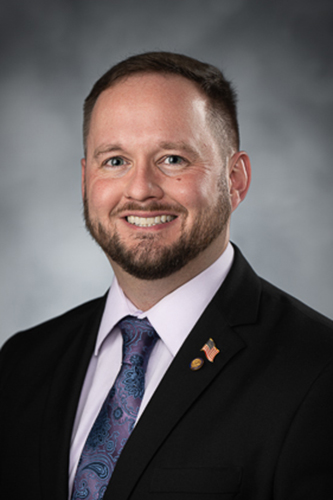
Elliott Pritt
Elliott Pritt House · District 50
R
Strong +
80% 24
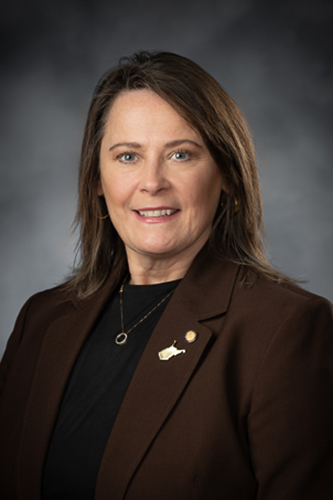
Margitta Mazzocchi
Margitta Mazzocchi House · District 31
R
Support
71% 27
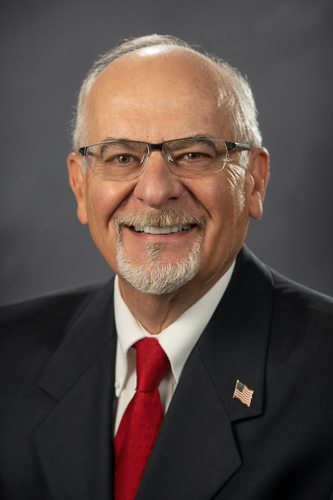
Tresa Howell
Tresa Howell House · District 52
R
Support
67% 29
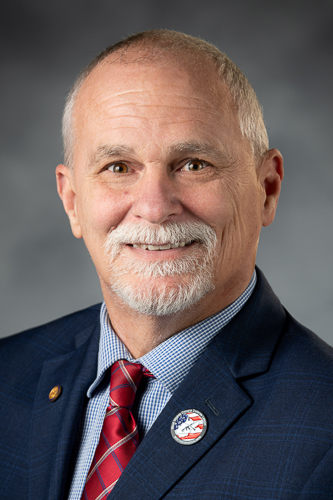
Chuck Horst
Chuck Horst House · District 95
R
Support
67% 29
Corby Dillon
Corby Dillon House · District 29
R
Support
67% 29
Guy Ward
Guy Ward House · District 74
R
Strong −
12% 28
Jarred Cannon
Jarred Cannon House · District 21
R
Strong −
14% 24
Betsy Kelly
Betsy Kelly House · District 9
R
Strong −
14% 21
Mickey Petitto
Mickey Petitto House · District 70
R
Strong −
17% 20
Phil Mallow
Phil Mallow House · District 75
R
Oppose
22% 29
Showing 161–170 of 173 bills

All criminal justice bills

in committee · West Virginia · Senate Jan 14, 2026

SB 100: Amending penalty of simple marijuana possession from misdemeanor crime to civil violation

This bill changes penalties for possessing less than 15 grams of marijuana from a criminal misdemeanor to a civil violation. It affects individuals caught with small amounts of marijuana for the first time, replacing potential jail time (up to 1 year) or criminal records with a flat civil fine of up to $25. The key change is moving simple possession under 15g from criminal prosecution to a non-criminal penalty, as specified in Section (c) of the bill. This applies only to marijuana possession, not other drug offenses or larger quantities.
in committee · West Virginia · House of Delegates Jan 14, 2026

HB 4276: Relating to authorizing the Attorney General to promulgate a legislative rule relating to fair treatment of crime victims and witnesses.

HB 4276 updates a long-standing rule (established in 1985) that governs how West Virginia's Attorney General must treat crime victims and witnesses. The bill adds a specific expiration date - August 1, 2036 - to this rule, meaning it will automatically end unless renewed by the legislature. This change does not alter the rule's substance but sets a clear timeline for its continuation. The rule directly affects crime victims and witnesses by requiring fair treatment standards in the state's legal processes.
Sub-Topics Victims' Rights
in committee · West Virginia · House of Delegates Jan 14, 2026

HB 4139: Allow female inmates to work on state convict road crews.

HB 4139 amends West Virginia law to allow female inmates serving felony sentences to work on state convict road crews, expanding eligibility beyond the current requirement that only male inmates may serve. The bill specifically changes §17-5-1 of the Code to state that "all inmates, regardless of sex" are eligible, while maintaining the existing rule that road crews must be single-sex (no mixed-gender crews permitted). This directly affects female inmates in state correctional facilities who would now qualify for work assignments on state road maintenance projects. The key provision removes the gender restriction in the existing law without altering the single-sex crew requirement.
Sub-Topics Corrections
in committee · West Virginia · Senate Jan 30, 2026

SB 688: Establishing offense of assault or injury of service animal

SB 688 creates a new criminal offense in West Virginia for recklessly harming or interfering with service animals that assist people with disabilities. It prohibits actions like striking, taunting, throwing objects at, or obstructing service animals - whether they are actively working or the offender knows the animal is a service animal. Violators face up to one year in jail, a $500 fine, or both, plus full restitution for costs including veterinary care, replacement animal expenses, and lost income for the handler. The bill directly affects service animal handlers and anyone who harms these animals during their duties.
in committee · West Virginia · Senate Jan 14, 2026

SB 192: Establishing offense of assault upon service animal

SB 192 creates a new criminal offense for knowingly harming or recklessly interfering with service animals in West Virginia. It prohibits actions like causing physical harm, taunting, or obstructing service animals while they assist people who are blind, deaf, or have mobility impairments. Violators face misdemeanor penalties of up to one year in jail, a $500 fine, or both, plus requirements to pay veterinary costs, equipment damage, or replacement costs for the service animal. The law applies only when the offender knows or should know the animal is a service animal. This directly affects service animal handlers with disabilities and those who target these animals.
in committee · West Virginia · House of Delegates Jan 23, 2026

HB 4779: To require parole boards to take into account the sentencing judge’s recommendation at the time of sentencing

HB 4779 requires West Virginia parole boards to consider a sentencing judge's recommendation for a specific term of imprisonment when reviewing cases involving certain felony offenses. The bill applies to 44 designated crimes, including DUI causing death, drug trafficking near schools, sexual assault, murder, and child abuse. Under this law, judges may recommend a definite prison term during sentencing for these offenses, and parole boards must factor that recommendation into their decisions. This change modifies how parole considerations are handled for these specific cases but does not alter sentencing authority or penalties.
in committee · West Virginia · Senate Jan 15, 2026

SB 418: Creating Safer Communities Act

SB 418, the "Creating Safer Communities Act," allows West Virginia counties to levy a new 1% sales or amusement tax starting July 2026, subject to voter approval via referendum. The tax revenue must fund public safety services (sheriff's departments, fire, and emergency response), school resource officers in unincorporated areas, and emergency services. Counties must notify state tax officials before implementation and cannot impose the tax on municipalities participating in the Municipal Home Rule Program. This bill provides counties with a new funding mechanism to address gaps in public safety and school security under current funding structures.
Sub-Topics Revenue Sales Tax Law Enforcement Tags Public Safety
in committee · West Virginia · House of Delegates Jan 14, 2026

HB 4051: Permitting certain nonviolent offenders to be able to carry firearms.

HB 4051 amends West Virginia law to allow certain nonviolent offenders to possess firearms by removing specific convictions from the list of prohibited offenses. It clarifies that convictions for drug offenses under §60A-4-401-403 (not classified as violent crimes) no longer bar firearm rights, and individuals in recovery from substance use disorders for at least one year regain rights (excluding those in MAT treatment). The bill also reinforces that law enforcement cannot infringe on the right to bear arms under the Second Amendment and state constitution. It directly affects people previously barred due to nonviolent drug convictions or substance use disorder history. The change takes effect after the specified waiting periods or recovery periods, without altering restrictions for violent offenses or domestic violence convictions.
in committee · West Virginia · Senate Jan 14, 2026

SB 187: Providing for recall process of prosecutor under certain circumstances

SB 187 would establish a formal recall process for elected prosecutors in West Virginia under specific circumstances, directly affecting county prosecutors and voters seeking to remove them. The bill aims to amend existing law (§7-4-1 of the West Virginia Code) to create procedures for initiating and conducting such recalls. However, the provided bill text only includes the current duties of prosecutors (e.g., handling criminal cases, election day availability) and does not detail the proposed recall mechanisms, voter requirements, or triggering conditions. Without the actual recall provisions in the text, the specific key mechanisms cannot be summarized. The bill was introduced on January 14, 2026, and referred to the Judiciary Committee.
Sub-Topics Judges
in committee · West Virginia · House of Delegates Jan 21, 2026

HB 4676: End open fields doctrine

HB 4676 eliminates West Virginia's application of the "open fields doctrine," a legal rule allowing police to search areas like fields or wooded land surrounding a home without a warrant. The bill directly affects property owners whose land extends beyond their immediate dwelling (including fenced areas and woods), requiring police to obtain a warrant for searches there, except for established constitutional exceptions. It defines "open fields" as private property a reasonable person would view as private, not generally open to the public. The bill abolishes the previous common law rule and aligns state law with Fourth Amendment protections. This change applies to searches under both federal and West Virginia constitutional safeguards.
Sub-Topics Policing
Showing 161 to 170 of 173 bills