Issue · Criminal Justice

Criminal Justice

Every criminal justice bill, vote, and legislator stance in West Virginia, automatically classified by Maddy, our AI policy reader.

Total bills
35
119th Congress
Top supporter
James C. Justice
77% support rate
Top opponent
Carol D. Miller
36% support rate
Ranked legislators
4
2 support · 2 oppose
Key legislators

Who's moving criminal justice in West Virginia

Legislators moving criminal justice in West Virginia
Legislator Party Stance Support rate Votes
James C. Justice
James C. Justice Senate
R
Support
77% 164
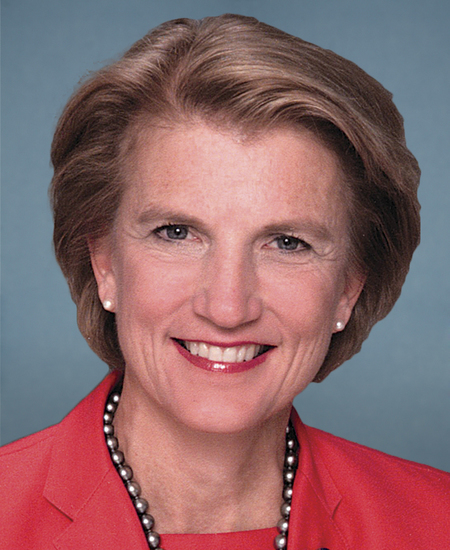
Shelley Moore Capito
Shelley Moore Capito Senate
R
Support
77% 170
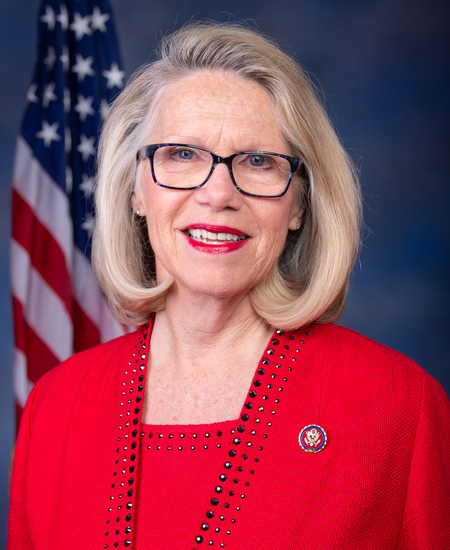
Carol D. Miller
Carol D. Miller House · District 1
R
Oppose
36% 146
Riley M. Moore
Riley M. Moore House · District 2
R
Oppose
36% 150
Showing 1–10 of 35 bills

All criminal justice bills

in committee · United States · House Aug 27, 2026

HR 10157: Freedom to Home Distill Act

The Freedom to Home Distill Act would allow individuals to legally produce small amounts of alcohol at home for personal use without paying federal excise taxes or facing criminal penalties. To qualify, a household could distill up to 10 proof gallons per year if it has one adult, or 20 proof gallons if it has two or more adults, provided the spirits are never sold or transferred to others. The bill exempts home distillers from standard business requirements such as registering their equipment and paying taxes, but it mandates that any stills purchased for this purpose must have specific safety features like pressure release valves and a capacity of no more than 50 gallons. These changes would take effect for spirits produced after December 31, 2026.
in committee · United States · Senate Jun 11, 2026

S 4775: Stopping Harmful and Outrageous Torts Act

The Stopping Harmful and Outrageous Torts Act expands legal protections for firearm manufacturers and sellers by immediately dismissing any lawsuits currently pending against them that allege harm caused by the criminal or unlawful misuse of their products. The bill defines these protected cases as those where the injury resulted from a third party's illegal actions rather than a defect in the product itself, while explicitly excluding claims involving negligent entrustment, specific federal violations, or design defects. To enforce these protections, the law allows defendants to remove such cases from state courts to federal court and grants them the right to appeal dismissal orders immediately. Additionally, the legislation preempts state and local laws that attempt to hold these companies liable for product misuse and provides for attorney's fees for defendants who successfully assert their immunity.
Sub-Topics Courts Firearms
in committee · United States · House Jun 11, 2026

HR 9298: Stopping Harmful and Outrageous Torts Act

This bill, known as the Stopping Harmful and Outrageous Torts Act, expands legal protections for firearm manufacturers and sellers by strengthening their immunity from civil lawsuits. It requires courts to immediately dismiss any pending cases against these companies that are based on the criminal or unlawful misuse of a gun by a third party, while also clarifying that sellers are not liable for negligence in entrusting products to others. The legislation further restricts who can file such suits by prohibiting foreign governments from bringing these claims and adding a specific exception for victims under the age of 17, though it maintains immunity for cases involving design or manufacturing defects. Additionally, the bill allows companies to move these cases to federal court and grants them the right to appeal dismissal orders immediately, along with the ability to recover legal fees if they win. Finally, it preempts state and local laws that attempt to impose liability on these entities for the same types of misuse-related harms.
Sub-Topics Courts Firearms
in committee · United States · Senate Jun 3, 2026

S 4671: Federal Firearms Licensee Protection Act of 2026

The Federal Firearms Licensee Protection Act of 2026 increases penalties for individuals who knowingly violate federal laws regarding the possession of firearms by licensed dealers. Specifically, it raises the maximum prison sentence for such violations to 20 years and mandates a minimum of three years in prison if the offense occurs during a burglary of a licensed business. The law also sets a five-year minimum sentence if the violation happens during a robbery. These changes directly affect federal firearms licensees and anyone attempting to illegally possess firearms from them.
in committee · United States · Senate Mar 26, 2026

S 4224: Dalilah’s Law Act

This bill, known as Dalilah's Law Act, prohibits individuals with certain immigration statuses from obtaining or using commercial driver's licenses in interstate commerce. It requires state officials to verify an applicant's employment eligibility through E-Verify before issuing such licenses and imposes criminal penalties, including mandatory minimum sentences for accidents causing injury or death. The legislation also establishes civil penalties for businesses that assist in violations and allows victims of accidents caused by these drivers to sue for triple damages. Additionally, it adds the use of commercial licenses by these individuals as an aggravated felony and grounds for deportation under immigration law.
in committee · United States · House Dec 3, 2025

HR 4397: Muslim Brotherhood Terrorist Designation Act of 2025

This bill would amend the Anti-Terrorism Act of 1987 to designate the Muslim Brotherhood as a terrorist organization and prohibit its operations within the United States. It would require the President to designate the Muslim Brotherhood as a foreign terrorist organization under immigration law and impose new visa restrictions, including immediate revocation of current visas, for individuals identified as members. The bill mandates annual reports from the Secretary of State identifying Muslim Brotherhood branches worldwide and determining which should be designated as terrorist organizations under existing laws. These provisions would directly affect Muslim Brotherhood members, branches, and affiliated organizations seeking entry to or operating within the United States.
in committee · United States · Senate Mar 27, 2025

S 1162: SHORT Act

The SHORT Act redefines firearm classifications under federal law to remove certain restrictions on short-barreled rifles and shotguns. It eliminates special prohibitions for these weapons when used lawfully, preempts state taxes or registration requirements for them, and requires federal destruction of historical records related to these firearms. The bill directly affects owners of short-barreled rifles and shotguns, as well as state governments that previously imposed separate regulations. Key provisions include revising IRS definitions to exclude shotgun shells from "destructive devices," mandating record destruction within one year of enactment, and blocking state laws targeting these weapons in interstate commerce. These changes aim to standardize federal treatment while removing duplicative state-level barriers.
Sub-Topics Firearms
passed · United States · House Jan 24, 2025

HR 21: Born-Alive Abortion Survivors Protection Act

HR 21, the Born-Alive Abortion Survivors Protection Act, requires medical staff at abortion facilities to provide the same immediate care and hospital admission to any infant born alive during an abortion as they would for any newborn. It mandates reporting failures to provide this care to law enforcement and imposes penalties of up to 5 years in prison for violations, with harsher penalties for intentional killing. The bill also allows women who undergo abortions to sue for civil damages, including triple the abortion cost, and provides for attorney fees. It defines "abortion" to exclude procedures performed after viability to preserve a live birth. This law directly affects healthcare providers at abortion facilities and creates new federal legal obligations for them.
passed · United States · House Feb 24, 2026

HR 2189: To modernize Federal firearms laws to account for advancements in technology and less-than-lethal weapons, and for other purposes.

Law-Enforcement Innovate to De-Escalate Act This bill removes less-than-lethal projectile devices (e.g., certain TASERs) from regulation under the Gun Control Act. The term less-than-lethal projectile device means a device that (1) is not designed or intended to expel (and may not be readily converted to discharge) commonly used ammunition or projectiles exceeding a velocity of 500 feet per second; (2) is designed and intended to be used in a manner not likely to cause death or serious bodily injury; and (3) does not accept (and cannot be readily modified to accept) an ammunition feeding device. The bill also requires the Bureau of Alcohol, Tobacco, Firearms and Explosives to determine whether a device satisfies the definition of a less-than-lethal projectile device within 90 days of a request.
Sub-Topics Firearms
passed · United States · House Feb 10, 2025

HR 29: Laken Riley Act

The Laken Riley Act expands mandatory detention for immigrants convicted of certain property crimes like burglary, theft, or shoplifting by adding these offenses to existing immigration detention criteria. It requires the federal government to issue detainers for such individuals and take custody if not detained by local authorities. The bill also grants state attorneys general standing to sue federal officials in federal court if they believe immigration enforcement actions (like releasing detained immigrants) cause the state financial harm exceeding $100. This creates new legal pathways for states to challenge federal immigration decisions through expedited lawsuits.
Showing 1 to 10 of 35 bills
1 2 3 4 Next