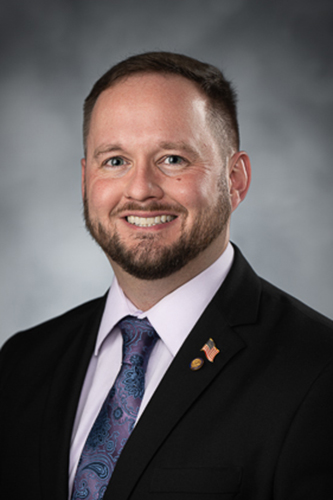
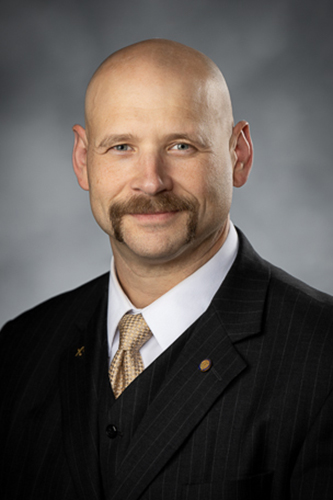
Key legislators
Who's moving criminal justice in West Virginia
Showing 21–23 of 23
bills
All criminal justice bills
This bill creates a new felony offense for indecent exposure committed in front of minors and requires individuals convicted of this crime to register as sex offenders. The legislation defines indecent exposure as exposing one's nude penis, vagina, or anus and includes undressing in opposite-sex locker rooms as a violation while removing exemptions for breastfeeding. Penalties increase with repeat offenses, and the new crime counts as a qualifying offense for recidivist sentencing enhancements. The bill also clarifies that registration requirements apply retroactively to past convictions involving these offenses.
SB 888, the Judicial Deference Reform Act, prohibits West Virginia state courts and administrative hearing officers from deferring to state agency interpretations of statutes, regulations, or informal guidance documents (like agency memos). Instead, courts must independently review these materials using standard legal analysis ("de novo") and resolve any remaining ambiguities by limiting agency power and prioritizing individual liberty. The law applies to all state court cases and administrative proceedings starting July 1, 2026, but does not affect federal law or cases involving federal agencies. It directly affects how state courts interpret and apply West Virginia laws and agency guidance.
This bill grants municipal fire marshals in West Virginia the authority to assist law enforcement officers in carrying out their official duties. It allows fire marshals to arrest individuals who disobey lawful orders at fire scenes, violate arson or explosive offense prohibitions, obstruct a fire marshal, or fail to obey lawful commands, provided they receive required law enforcement training. The legislation also permits fire marshals to file criminal complaints to obtain arrest warrants and clarifies that assistance to federal law enforcement is subject to specific limitations. Additionally, fire marshals may help other law enforcement officers execute their duties when requested, but must work under the direct supervision of the requesting officer.