

Maddy summaryWashington State's SB 6105 increases the exemption from wage garnishment for medical debt judgments. It raises the threshold to 60 times the state's minimum hourly wage or 80% of a person's take-home pay (whichever is greater), compared to 35 times the wage for other consumer debts. This change directly affects individuals facing wage garnishment specifically for unpaid medical bills. The bill amends Washington's garnishment laws (RCW 6.27.150, 6.27.105, and 6.27.140) to provide stronger protection for medical debt cases.
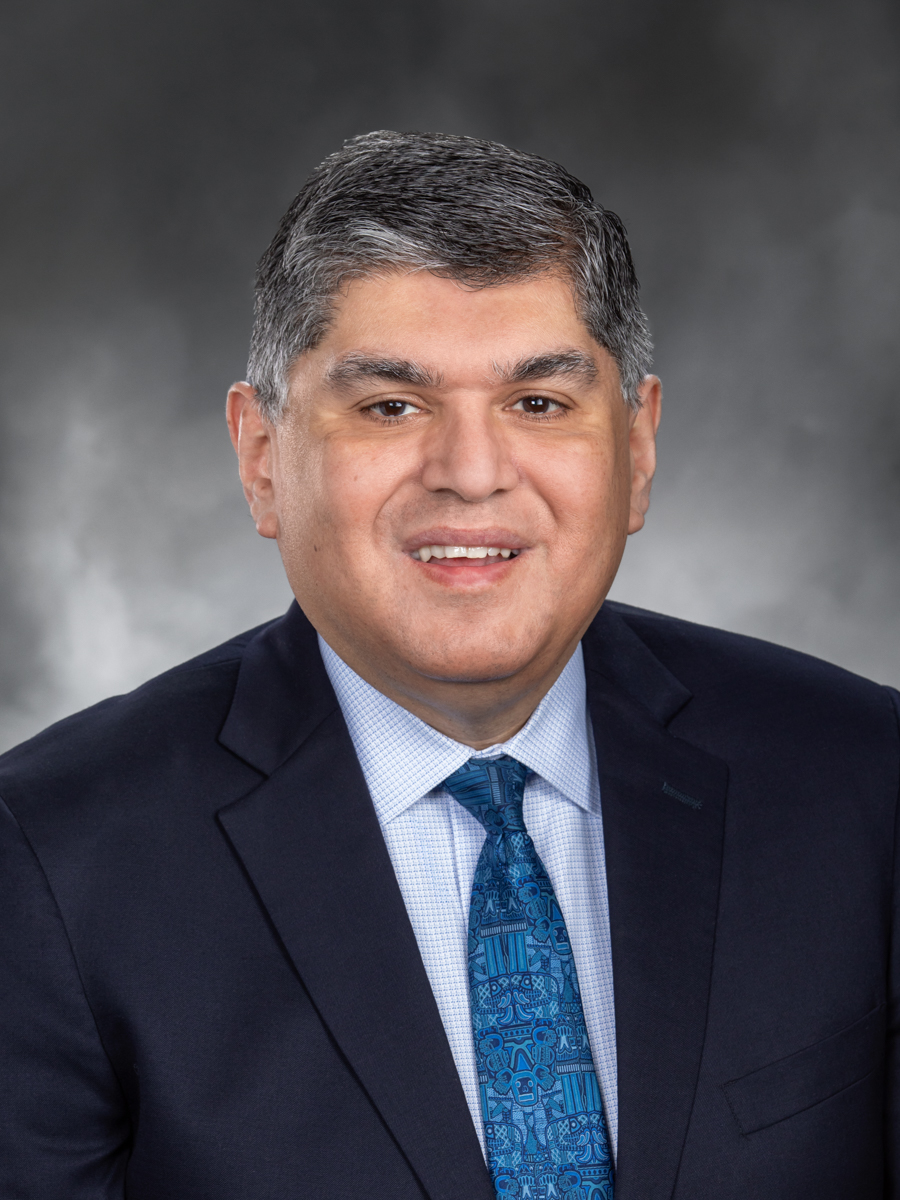
Sen. Javier Valdez
Sponsored bills
Maddy summarySB 5852 requires Washington employers to notify workers and their representatives within 72 hours if a federal agency conducts an inspection of employment verification forms (I-9) or worker records. It mandates posting multilingual notices in workplaces and sending written notices to all current and recent workers (within the last three years), including details about the federal agency and inspection. The law aims to ensure immigrant workers are informed during federal immigration enforcement actions, with notices required in the five most commonly used non-English languages in the state. Employers must also provide affected workers with copies of federal inspection results. This applies to all Washington employers, including state agencies and businesses.
Maddy summarySB 5652 requires Washington state port districts with major projects (like airport expansions over $8 million) to create environmental justice plans by 2026. These plans must address health disparities in overburdened communities near ports by setting goals, tracking progress, and ensuring equitable community input. The bill mandates that ports conduct health impact assessments using University of Washington data for new projects and publicly share mitigation strategies. It directly affects port districts managing large infrastructure projects, aiming to reduce pollution-related health risks for vulnerable populations.
Maddy summarySB 6217 expands Washington's college grant program to cover students enrolled in eligible certificate or diploma programs that do not lead to a degree (nondegree credential programs). It affects Washington residents pursuing these shorter-term training programs starting in the 2027-28 academic year. The bill adds this category to existing eligibility requirements, including financial need and residency, while maintaining the same grant structure and academic progress rules as degree programs. This change aims to increase access to affordable workforce training for students seeking credentials like nursing assistants or IT certifications.
Maddy summarySB 6330 prohibits the use, sale, distribution, application, or handling of paraquat (a herbicide) for all agricultural or commercial purposes in Washington State, effective January 1, 2027. It directly affects agricultural workers, pesticide handlers, and rural communities who would no longer be exposed to paraquat in standard farming operations. The bill allows limited exceptions only for research conducted under strict safety protocols and reporting requirements approved by the state director. This law aims to reduce preventable exposure to paraquat while supporting the transition to alternative weed management practices.
Maddy summarySB 6304 requires Washington State’s Investment Board to incorporate ethical investment standards into its management of public retirement and trust funds. It prohibits investments in companies or activities involving serious human rights violations, weapons production, coal energy, tobacco, environmental harm, or other significant ethical risks (as detailed in Section 2). The bill mandates the Board to assess these risks when making investment decisions, develop public proxy voting guidelines supporting ethical standards, and report annually on how these principles are applied. This directly affects how $100+ billion in public funds are managed, ensuring investments align with state values while still aiming for prudent financial returns. The Board must now consider both financial and ethical risks in its investment strategy.
Maddy summarySB 6109 prohibits Washington State's Investment Board from investing state funds in private detention facilities. Starting immediately, the Board cannot make new investments in entities owning or operating such facilities, and must fully divest existing investments by January 1, 2030. The bill requires this transition to avoid financial loss by reinvesting in comparable, productive alternatives. It directly affects state pension and retirement funds managed by the Investment Board, targeting for-profit facilities operating under government contracts.
Maddy summarySB 6175 regulates secondary ticket sales for entertainment and sporting events to prevent consumer deception and price gouging. It caps resale prices at 110% of the original ticket price (including fees) and limits service fees to 10%, while requiring clear disclosures that tickets are purchased from a secondary marketplace, not the original seller. The bill prohibits misleading marketing (e.g., fake "official" sites), bans selling speculative tickets, and mandates resellers notify buyers within 8 hours of event changes. It exempts professional sports teams, small arts organizations ($500,000 annual revenue cap), schools, movie theaters, and tribal venues from most provisions. The law applies to commercial resellers and secondary ticket platforms operating in Washington.
Maddy summaryThis resolution expresses the Washington State Senate's formal appreciation for the National Guard's service. It recognizes their emergency response work (like 2025 flood support in Skagit and Snohomish counties), election security efforts, and youth programs such as the Washington Youth Challenge Academy. The Senate thanks the Guard's families and employers for their support and acknowledges the Guard's contributions to state safety, community well-being, and economic vitality. Adopted in January 2026, this symbolic resolution was sent to state and federal officials but does not create new laws or policies.
Maddy summarySB 6326 requires Washington school districts to maintain minimum fund balances based on size: large districts (2,000+ students) must keep at least 6% of prior year state funding, while smaller districts must keep 8%. Districts cannot use these funds for salaries or benefits but may access them for unexpected enrollment changes, short-term cash flow, emergencies, or preapproved one-time costs. Starting in 2028-29, districts must submit monthly financial reports to the state superintendent, including expenditures, revenue, and cash balances, with late submissions risking withheld state payments. Failure to restore required fund balances triggers state intervention to redirect funding over 12 months. The bill directly affects all public school districts in Washington State.