

Maddy summaryThis resolution (SR 8698) formally honors piano teachers across Washington State for their contributions to music education and cultural enrichment. It recognizes their role in mentoring students, fostering empathy through musical interpretation, and supporting community events like senior center performances and public festivals. The Senate directs a copy of this resolution to the Washington State Music Teachers Association and the National Guild of Piano Teachers, acknowledging their collective work without creating new policies or funding. As a ceremonial resolution, it has no binding legal effect but serves as a symbolic acknowledgment of their impact.
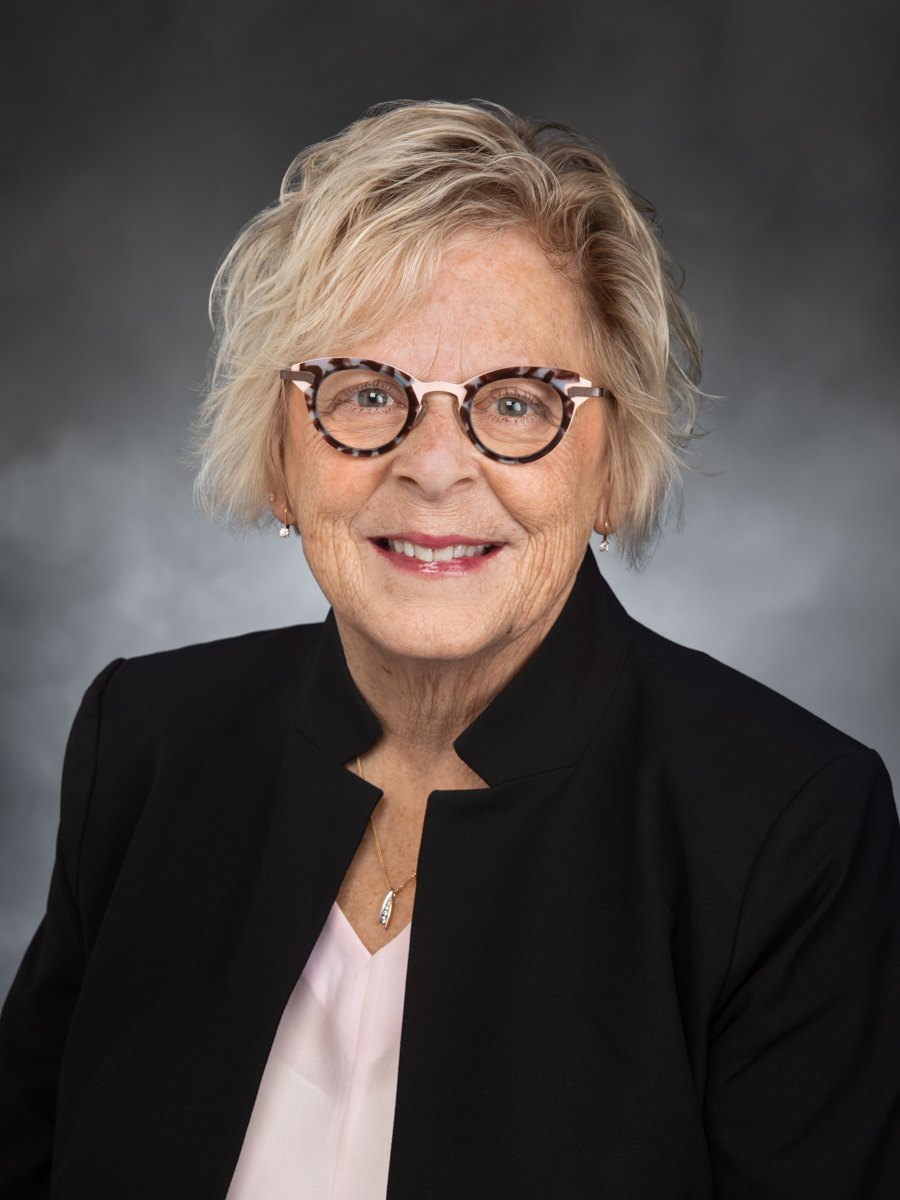
Sen. Claire Wilson
Sponsored bills
Maddy summarySR 8680 is a symbolic Senate Resolution recognizing and honoring Ramadan, the ninth month of the Islamic lunar calendar observed by Muslims worldwide. It does not create new laws or affect any individuals or policies; instead, it expresses the Washington State Senate's support for the Muslim community and acknowledges Ramadan's significance as a holy month of fasting, reflection, and charitable giving. The resolution specifically notes Ramadan's observance beginning February 17, 2026, and highlights the contributions of American Muslims in Washington state. As a ceremonial resolution, it has no legal effect and serves only to formally recognize this religious observance.
Maddy summarySB 5973 requires initiative sponsors to collect 1,000 verified signatures from legal Washington voters before filing a proposed measure with the secretary of state, aiming to reduce duplicate or low-support filings that confuse voters and strain state resources. It also bans paying signature gatherers based on the number of signatures collected - a practice linked to past fraud cases like forged signatures in initiatives (e.g., 2012's Initiative 1185). These changes directly affect initiative sponsors, signature gatherers, and state offices by adding a pre-filing verification step and prohibiting per-signature compensation. The bill seeks to strengthen ballot measure integrity without altering the core initiative process.
Maddy summarySB 5966 requires Washington state-administered health benefit programs to provide medically tailored meals through local nonprofit vendors when possible. It mandates that meals align with evidence-based nutritional guidelines, meet specific calorie and nutrient standards (e.g., 500+ calories, one-third of recommended carbs/protein), and accommodate dietary, allergy, and cultural needs. Vendors must follow nutrition care plans approved by qualified medical professionals and prioritize locally sourced, whole foods. The bill directly affects state benefit programs (like Medicaid) and their meal vendors serving people with medical conditions requiring specialized nutrition.
Maddy summarySB 6308 requires Washington courts to hold shelter care hearings within 72 hours (excluding weekends/holidays) for children under five in child welfare cases, aiming to improve safety oversight amid a 70% rise in critical incidents (maltreatment-related fatalities/near-fatalities) since 2021. The bill mandates courts to examine specific factors at these hearings, including whether the child can safely return home, efforts to place the child with relatives, services provided to prevent removal, and school continuity. It also ensures parents/guardians receive clear rights notifications and the option to request hearing continuances for adequate preparation. The law directly affects courts, child welfare departments, and families navigating initial shelter care placements for young children.
Maddy summarySB 6078 creates a new program to provide prelicensing support services to individuals seeking Washington state child care licenses. The bill requires the Department of Children, Youth, and Families to offer free assistance with applications, understanding licensing rules, facility planning, and regional requirements - covering all license types including centers, family homes, and nature-based programs. It also mandates the department to develop an online resource guide detailing these supports, which cities and counties must share with applicants when they submit permit requests. The program operates within existing state resources and aims to simplify the licensing process without changing current regulatory standards.
Maddy summarySB 6089 creates a new "P20W public-private partnership account" managed by the state treasurer to improve coordination between Washington's education and workforce systems (from early learning through K-12, postsecondary, and careers). It requires contracting a nonprofit organization to help align state and private funding, develop recommendations for better data sharing, and convene a diverse advisory committee. The bill directly affects state agencies, educational institutions, and private donors by establishing a formal process to coordinate efforts and update performance metrics across the education-to-workflow system. It does not mandate state funding but provides a structure for leveraging philanthropic resources to strengthen existing initiatives. The focus is on creating a transparent system for tracking progress toward shared goals like equitable access and workforce readiness.
Maddy summarySB 6319 requires Washington's child welfare department to create a community-based referral system for families with children under four where parental use of high-potency synthetic opioids is a factor in a child welfare case. The bill mandates that families receive referrals to substance use treatment, peer navigators, and other support services within seven days of a risk assessment, with services available for six months regardless of case status. Participation in these services must be voluntary, requiring written consent from parents or guardians. The department must develop this system by January 2027 and report on its implementation and impact by November 2027. This bill directly affects vulnerable families in child welfare cases involving opioid use, focusing on connecting them to community resources rather than altering court timelines.
Maddy summarySB 6282 requires state-registered apprenticeships in the building and construction trades (specifically targeting plumbing apprenticeships in the bill text) to include up to four hours of approved behavioral health and wellness training annually. This training must cover topics like destigmatizing mental health, recognizing distress, suicide prevention, substance use awareness, and connecting to resources. The bill amends existing plumbing certification rules (RCW 18.106.070) to integrate this requirement into continuing education hours for apprentices. It directly affects apprentices in plumbing and construction trades by mandating this wellness training as part of their certification renewal process. The policy change is factual and non-partisan, focusing on concrete training requirements within current licensing frameworks.
Maddy summarySB 6253 requires public transportation benefit area governing bodies in Washington to grant full participation rights to labor representatives who currently serve in nonvoting roles. It adds two new voting members to each governing board: one who regularly uses public transit for transportation, and one representing a community-based organization that uses transit. The bill also mandates that governing body meetings be scheduled at times and locations accessible by public transit to support these new members' participation. These changes apply to all public transportation benefit areas with governing boards, affecting how local transit decisions are made and ensuring broader community input.