

Maddy summarySB 5724 aims to improve access to dual credit programs, particularly career and technical education (CTE) dual credit, for Washington high school students. It requires collaboration between community colleges, school districts, and other entities to create a statewide catalog of dual credit courses, align CTE programs with career pathways, and streamline credit transfer processes. The bill also mandates updating the state's administrative data system to better track credits, improve transcript accuracy, and support articulation agreements between high schools and colleges. These changes target students seeking career-focused postsecondary education, with a specific focus on fixing current gaps where CTE dual credit doesn't reliably transfer to college. The bill requires a report on data system improvements by October 2026.
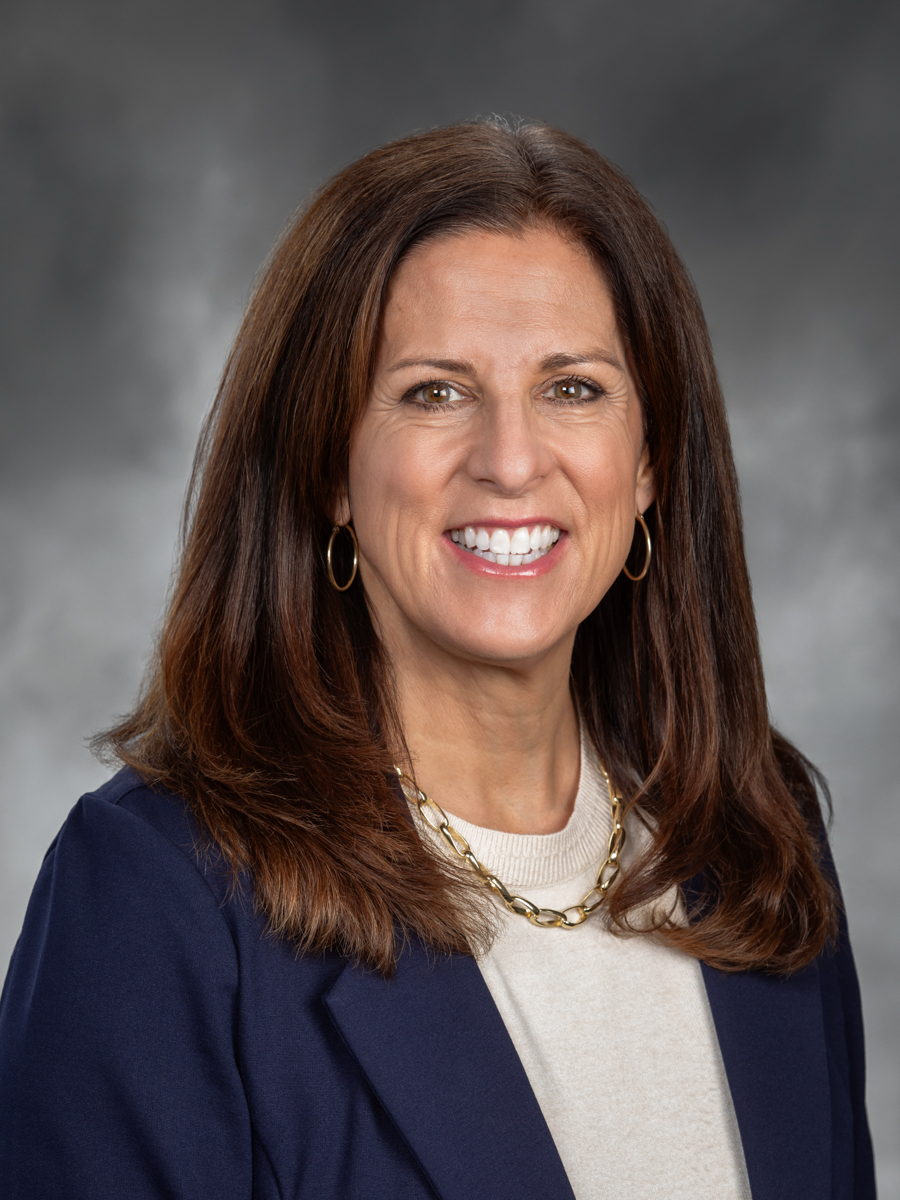
Sen. Deb Krishnadasan
Sponsored bills
Maddy summarySB 5237 makes it a misdemeanor to leave a child under 9 unattended in a parked car and a gross misdemeanor to leave a child under 12 unattended while entering a tavern or bar. The law specifically targets caregivers who leave minors in vehicles alone while accessing alcohol-serving establishments. It also allocates $100,000 for public awareness campaigns about the dangers of leaving children unattended in vehicles. The bill directly affects parents, guardians, and caregivers of young children in Washington State.
Maddy summarySB 5289 exempts qualifying farm machinery, equipment, replacement parts, and related labor/services from Washington state sales and use tax for eligible farmers. Farmers must pay the tax upfront but can later apply for a full 100% refund (remittance) through the state tax department, provided they submit purchase invoices. To qualify, farmers must have had at least $10,000 in annual agricultural sales, harvested value, or estimated value from the previous tax year. This bill directly affects Washington farmers purchasing eligible equipment, reducing their upfront costs while requiring them to meet specific sales thresholds to claim the exemption.
Maddy summarySB 5378 expands financial assistance for small school districts and small businesses under Washington’s paid family and medical leave program. It allows eligible employers (including second-class school districts and businesses with 50-150 employees) to receive up to $3,000 for hiring temporary workers during employee leave or up to $1,000 to cover extra wage costs from leave. Grants are limited to 10 per year per employer, require documentation linking costs to leave, and apply only to employees using the program. Small businesses (under 50 employees) receiving grants face three years of full premium assessments under the program.
Maddy summarySB 5299 permits licensed physicians to provide "virtual direct supervision" for intravenous contrast procedures performed by diagnostic radiologic technologists, therapeutic radiologic technologists, and magnetic resonance imaging (MRI) technologists. This means physicians no longer need to be physically present during these procedures but must be immediately available via real-time audio/video communication and within 30 miles of the facility. The bill amends Washington’s medical practice law (RCW 18.84.020) to specifically allow this telehealth-based supervision model for IV contrast procedures, while requiring physical supervision for all other radiologic procedures. It directly affects these technologists and their supervising physicians by updating supervision requirements to align with modern telehealth capabilities.
Maddy summarySB 5768 expands Washington State's Working Families Tax Credit to include all low-income residents aged 18 and older, removing previous age restrictions. It affects Washington residents who file federal tax returns, pay state sales/use tax, and meet income limits (e.g., $300 for those with no children, up to $1,200 for those with three+ children). The bill maintains existing credit amounts, phase-out rules based on income, and inflation adjustments, while adding a new eligibility category for those aged 18+ who otherwise qualify under federal tax code rules. This change directly broadens access to the refundable credit for younger adults who previously may have been excluded due to age.
Maddy summarySB 5060 creates a state grant program to help local and tribal law enforcement agencies hire more officers and mental health responders for community safety. It provides grants covering up to 75% of entry-level salaries (capped at $125,000 per position for 36 months), requiring a 25% local cash match. Agencies must meet specific training and policy standards, including crisis intervention and trauma-informed care compliance, to qualify. The bill appropriates $100 million for this program and mandates annual reports tracking grant usage, staffing vacancies, and hiring timelines. It directly affects Washington’s local and tribal law enforcement agencies seeking to fill officer positions and improve co-response to community safety needs.
Maddy summarySB 5011 requires all ballot drop boxes in Washington State to prominently display two specific labels on each visible side: "Property of [county/agency name]" and a warning that tampering violates state election laws. This applies to county auditors managing drop boxes, ensuring voters see clear ownership and legal consequences for interference. The bill mandates these labels as part of standard operational requirements for drop box security. It does not change drop box placement rules or handling procedures, focusing solely on visible labeling for voter awareness.
Maddy summarySB 5771 adds a new $300 annual tax credit for low-income renters in Washington who paid rent for their primary residence (including mobile home lots) for at least 183 days during the year. This credit directly affects eligible individuals who already qualify for the existing Working Families Tax Credit but also face property taxes included in their rent. The credit is calculated based on rental duration (183+ days), adjusted for inflation starting in 2027, and reduces at specific income levels as outlined in the bill. It expands the existing credit program to specifically address the financial impact of property taxes embedded in rental costs.
Maddy summarySB 5522 establishes a formal process for reviewing and approving capital projects on Washington's state capitol campus. It requires the State Capitol Committee to annually review proposed projects (defined as new buildings or major renovations exceeding 50% of replacement cost) and make recommendations, while expanding the committee's membership to include legislative leaders and agency representatives. The bill also creates a design subcommittee with architects and landscape experts to advise on campus aesthetics, preservation, and maintenance, ensuring campus improvements align with historic and architectural standards. This procedural bill focuses on structured management of the capitol campus, not direct policy changes affecting residents.