

Maddy summaryHB 1083 changes how Washington's aircraft fuel tax revenue is split between airport projects and the state general fund. Starting July 2025, 0.5% of the tax revenue (increasing to 1% after 2027) goes to airport projects via the aeronautics account, while the remaining 6.5% minus that amount flows to the general fund. It requires the transportation department to track and annually report on funded airport projects, including state grants, federal matching funds, and local contributions. This directly affects airports receiving project funding and state budget allocations through these revenue changes.
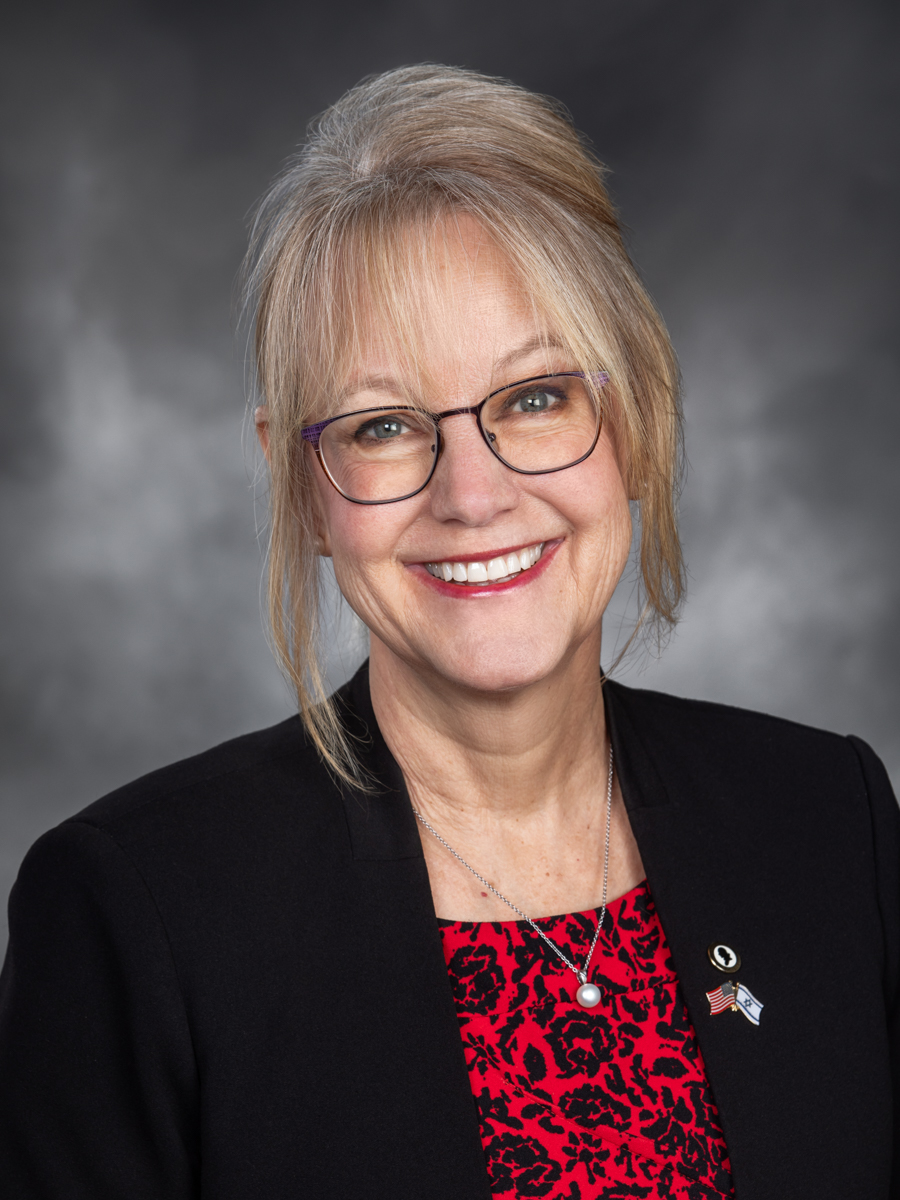
Rep. Mary Dye
Sponsored bills
Maddy summaryHB 1307 would remove Washington state sales and use tax on diapers and essential child care products starting January 1, 2026. The bill specifically exempts items like car seats, baby clothing (size 5T and smaller), incontinence products for infants and adults, baby monitors, strollers, and other products designed for children under five. It defines "essential child care products" to include items commonly recognized as necessary for infant and toddler care, as well as products for adults needing incontinence supplies. This tax exemption directly affects families with young children and caregivers of vulnerable adults who face high costs for these essentials. The policy aims to reduce financial strain without altering existing tax rates for other goods.
Maddy summaryHB 1188 requires the Energy Facility Site Evaluation Council to obtain written approval from both the local county government and affected federally recognized tribes before recommending wind or solar energy projects to the governor. For these projects, the council must submit siting recommendations simultaneously to county legislative bodies and tribes, who then have 90 days to approve via resolution or request reconsideration. The governor cannot approve any project without receiving all required local and tribal approval resolutions. This directly affects wind/solar developers, county governments, and tribal nations in Washington State, changing the approval process for these renewable energy facilities.
Maddy summaryHB 1699 (Defending equity in interscholastic sports) requires Washington public school districts to verify a student’s biological sex through a healthcare provider’s statement (based on reproductive anatomy, genetics, or testosterone levels) before allowing biologically male students to participate in female-identified sports. It permits schools to prohibit biologically male students from competing in sports with separate male/female classifications, while mandating equal resources (equipment, facilities, coaching, etc.) for all gender-segregated teams. The bill amends existing laws (RCW 28A.600.200 and 28A.640.020) to align with these provisions and requires the superintendent to develop guidelines eliminating sex discrimination in school activities. It directly affects public school students, athletic programs, and district policies governing interscholastic sports participation.
Maddy summaryHCR 4402 is a symbolic resolution (not a law) passed by Washington's legislature. It expresses the state's intent to work with the Pacific Northwest Economic Region (PNWER) to strengthen regional supply chain security for critical minerals used in clean energy, defense, and technology. The resolution encourages PNWER to develop long-term strategies for sustainable mineral sourcing and research into alternatives, while urging Washington legislators attending PNWER meetings to support these efforts. It does not create new programs or funding but serves as a statement of policy direction.
Maddy summaryHB 2002 establishes a reward program to encourage the public to report information about firearms used in felony crimes. It provides up to $500 for locating such firearms, or up to $5,000 if the report leads to a conviction, excluding law enforcement officers, individuals with warrants, or government employees acting in their official capacity. The cash rewards will be funded from existing county and municipal criminal justice assistance accounts, which distribute funds based on population, crime rates, and court case volumes. The bill directly affects law enforcement agencies (who receive the information) and the public (who may submit tips for rewards), while amending funding mechanisms for local criminal justice programs.
Maddy summaryHouse Bill 1857 updates regulations concerning asbestos-containing building materials in Washington state, primarily impacting manufacturers, distributors, and owners of certain facilities. The bill lowers the definition of an "asbestos-containing building material" from over one percent to over 0.1 percent asbestos by weight or area, effective January 1, 2025, which expands the scope of materials subject to labeling requirements. It mandates that owners of manufacturing facilities (NAICS codes 31-33) conduct regular inspections for asbestos and maintain an asbestos management plan. The bill also amends existing prohibitions on the use of these materials in new construction and renovations, adding an exemption for commercial aggregates.
Maddy summaryHB 1117 repeals Washington State's adoption of California's motor vehicle emissions standards, which had caused registration barriers for vehicles meeting federal standards. The bill directly affects vehicle owners who previously needed 407,541 exemptions to register their vehicles and government agencies managing registrations. Key provisions require the Department of Licensing to register previously prohibited vehicles (if they meet state requirements) and direct the Department of Ecology to repeal all rules implementing California standards. This eliminates administrative burdens on both the public and government, allowing vehicles to be registered without exemptions under federal standards. The bill takes immediate effect as an emergency measure.
Maddy summaryHB 1266 establishes the Washington State Commission on Boys and Men within the governor's office to address issues affecting boys and men across six focus areas: mental/physical health, education, careers, fatherhood, the preschool-to-prison pipeline, and court system experiences. The commission, composed of 11 appointed non-legislative members (with diverse representation requirements) and 4 legislative advisory members, will monitor legislation, coordinate with other commissions (like the women's and LGBTQ commissions), gather data, and submit biennial reports to the legislature and governor. Its key duties include identifying needs, advising state agencies on policies affecting boys and men, holding public hearings, and advocating for removing barriers they face. This is a structural commission creation bill, not a policy change, with no direct fiscal impact detailed in the provided text.
Maddy summaryHB 1730 directs all tax revenue generated from aircraft fuel (as defined in state law) to be deposited into the state's aeronautics account, rather than other designated funds. This bill specifically amends existing tax code sections to mandate this funding stream for aviation-related programs and infrastructure. The change affects how Washington State allocates existing tax proceeds from aircraft fuel sales, ensuring these funds exclusively support aeronautics activities. It does not alter the tax rate or impose new taxes on aircraft fuel. The bill focuses solely on redirecting existing revenue to the aeronautics account, as specified in RCW 82.42.090.