

Maddy summaryHB 1882 imposes a temporary 2% state tax on short-term lodging (like hotels and vacation rentals) for stays between April 1, 2026, and September 30, 2026, affecting businesses that provide such accommodations. The tax applies to reservations made after the bill's effective date and excludes stays of one month or longer. Revenue collected will fund a new "enhanced tourism account," with 25% distributed to counties based on tax collection, 25% supporting human trafficking victim programs, and 50% for state tourism initiatives. The tax and account expire on July 1, 2027, with any remaining funds transferred to the state general fund.
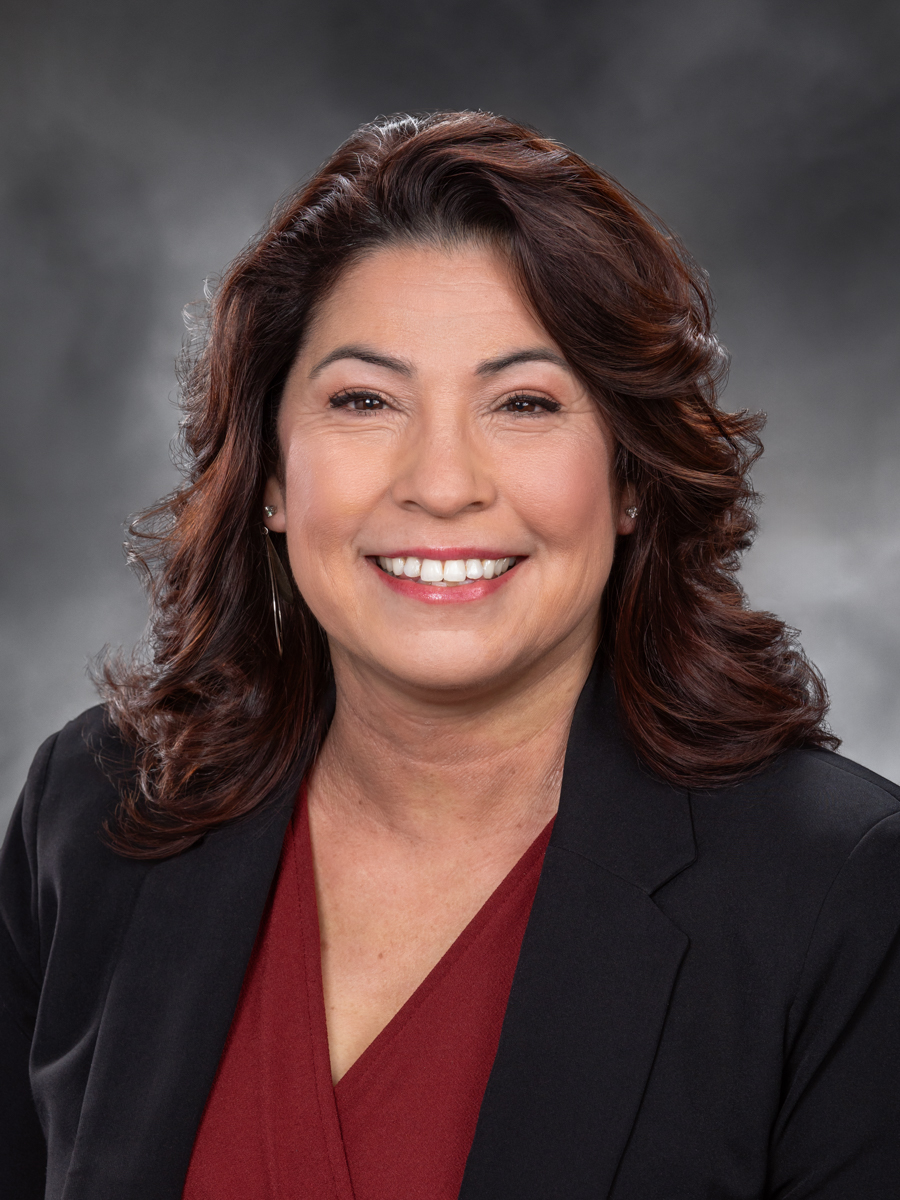
Rep. Monica Stonier
Sponsored bills
Maddy summaryHB 1203 prohibits the sale of all flavored tobacco and nicotine products (including fruit, mint, or candy flavors) and entertainment vapor products with gaming features (like Pac-Man) starting January 1, 2026. It directly affects retailers who sell these products and aims to reduce youth vaping, as 88% of youth vapers use flavored products. The bill defines "flavored" broadly to include any non-tobacco taste or cooling sensation, and bans interactive devices that display games or videos. This targets products marketed to youth, such as those with cotton candy flavors or menthol cigarettes, which the bill states contribute to addiction and health disparities in Black and Hispanic communities. The law applies to all tobacco/nicotine products sold in Washington, excluding FDA-approved nicotine therapies and cannabis products.
Maddy summaryHB 1338 revises Washington state's formula for distributing basic education funding to school districts. It establishes specific per-pupil funding levels based on "prototypical" school models (e.g., 600 students for high schools, 432 for middle schools, 400 for elementary schools), setting minimum class size requirements (like 17 students per teacher in K-3) and staff ratios for roles including teachers, librarians, paraeducators, and support staff. The bill mandates transparency by requiring the superintendent to publish per-pupil funding data online and school districts to link to it on their websites. This directly affects all public school districts in Washington, determining how state funds are allocated for core instructional programs and operational costs.
Maddy summaryHB 1042 allows county treasurers in Washington to recover costs for billing, collecting, and distributing property taxes on behalf of taxing districts (like school, fire, and water districts). It permits treasurers to charge a fee based on each district’s tax roll after excluding the first $50,000 of collections, capped at 1% for counties over 250,000 residents and 2% for smaller counties. Recovered funds must be used directly to cover those specific services and cannot include existing costs like real estate excise tax administration. The bill directly affects taxing districts by requiring them to pay these fees, which are calculated annually and must be communicated by September 1st each year.
Maddy summaryHB 1535 prohibits dental insurers from restricting patient choice or limiting care based on network agreements, requiring dentists to make treatment decisions with patients rather than insurers. It mandates that at least 85% of dental insurance premiums be spent directly on patient care, not administrative costs, and gives patients the right to request independent reviews for denied claims. The bill directly affects dental patients (ensuring access to chosen providers and fair coverage), dentists (protecting their clinical autonomy), and dental insurers (requiring compliance with transparency and spending rules). These changes aim to create a fairer system by aligning dental insurance protections with medical insurance standards and reducing out-of-pocket costs for Washington residents.
Maddy summaryHB 1792 consolidates Washington's nursing and practical nursing regulatory oversight into a single 17-member "Board of Nursing," replacing two separate boards. The bill revises membership requirements, reducing certified nursing assistant representatives from three to two, adding specific qualifications for faculty and direct-care nurses, and clarifying that board members must be Washington residents. This change directly affects the governance structure of nursing regulation, streamlining oversight for nursing assistants (who are certified under Chapter 18.88A RCW) and other nursing professionals. The bill does not alter certification standards for nursing assistants but reorganizes the board responsible for administering those standards.
Maddy summaryHB 1031 requires Washington's superintendent of public instruction to develop indoor temperature standards for public schools by forming an advisory committee with health, environmental, school operations, and parent representatives by September 2025. The bill updates existing law to explicitly include "excessive heat" (defined using National Weather Service guidance) as a valid reason for school closures due to unsafe conditions, replacing vague prior language. It mandates the committee to balance temperature control with energy standards and report recommendations by January 2026, followed by cost estimates by July 2026. This directly affects all public school districts, teachers, and students in Washington by establishing a formal process to address climate-driven heat risks in school facilities.
Maddy summaryHB 2083 proposes to update Washington's tax code by expanding the retail sales tax to include select services and new nicotine products, and by requiring a one-time prepayment of state sales tax collection from certain large businesses. The bill specifically extends retail sales tax to computer-related services and removes exemptions for digital automated services. It also aims to apply existing taxes on tobacco products to new and emerging nicotine products that are currently exempt. The legislation states its intent to generate revenue for public schools, health care, and social services.
Maddy summaryHB 1032 lowers the voter approval threshold for school district bond measures in Washington. It changes the requirement from a three-fifths (60%) majority to a simple majority (50%+1) of votes cast in school district elections on bond issues. This directly affects all Washington school districts seeking to borrow funds for capital projects like building repairs or new facilities. The bill amends existing laws (RCW 28A.535.020, 28A.535.050, and 39.36.020) to reflect this voting change, while keeping the overall debt limit at 2.5% of taxable property value.
Maddy summaryHB 1291 aims to reduce upfront costs for individuals receiving maternity services through their health plans in Washington State. Starting January 1, 2026, most health plans will no longer require enrollees to meet their deductible before covering in-network delivery services, such as vaginal or C-section births. Any out-of-pocket costs paid for these services will still count towards the enrollee's total deductible. For health plans linked to Health Savings Accounts, deductibles for delivery services will be set at the minimum level required to maintain the HSA's tax-exempt status.