

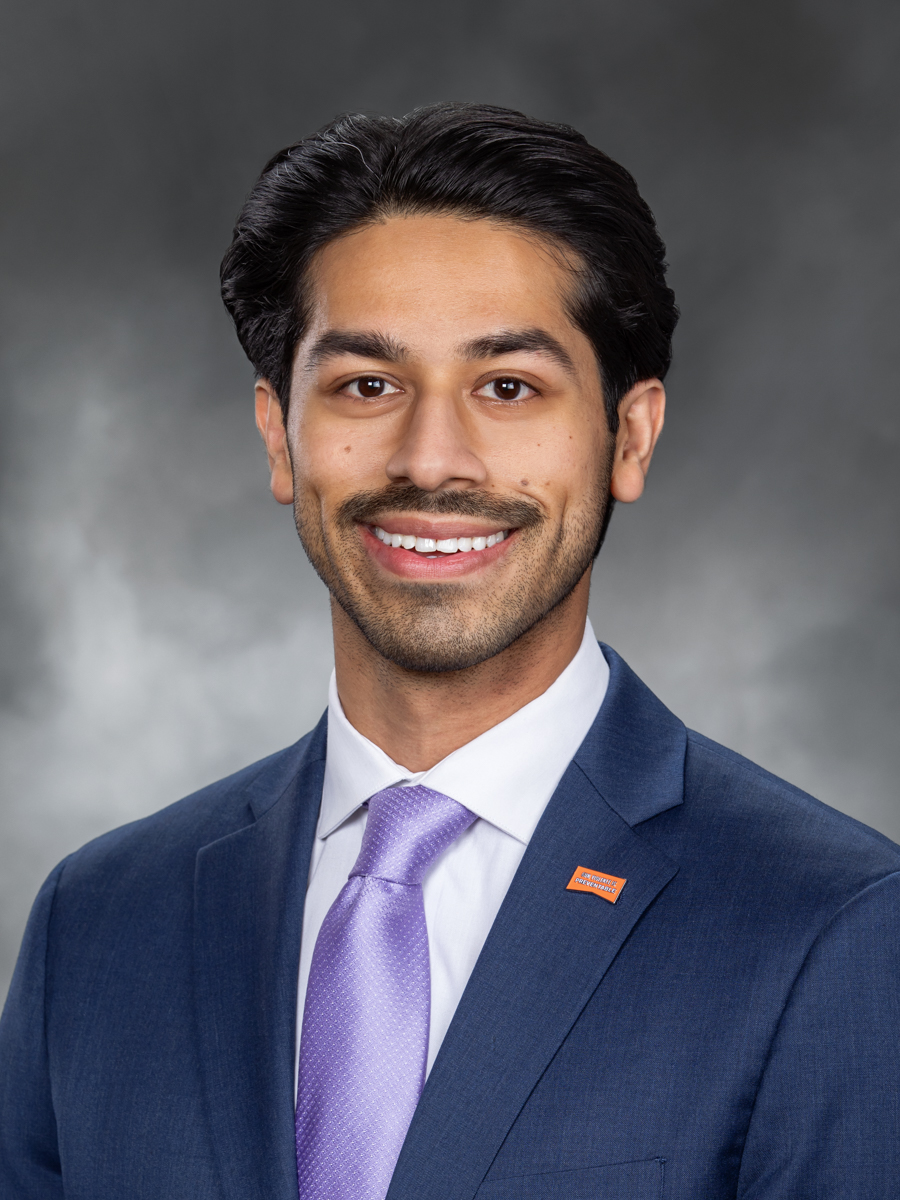
Photo of Osman Salahuddin
D Washington House · District 48 On the 2026 ballot

Rep. Osman Salahuddin

Compare
Total votes
1,201
all sessions
Attendance
99%
11 missed
Near the chamber average
With party
98%
of cast votes
Near the chamber average
Bipartisan score
1%
crosses aisle rarely
Near the chamber average
Sponsored
317
bills & resolutions
Higher than 82% of chamber peers
Committees
4
assignments
317 bills and resolutions

Sponsored bills

Total
317
Primary
29
Co-sponsor
288
This page
317
matching current filters
Co-sponsor HR 4713
Passed · Washington House · Co-sponsor
Honoring John Michael Sattgast.

Maddy summaryThis bill is a House resolution that formally honors John Michael Sattgast for his 35 years of dedicated service as a communications professional for the House Republican Caucus in the Washington State Legislature. It recognizes his work producing over 4,000 radio stories and coordinating media coverage for state representatives, as well as his leadership roles with the National Conference of State Legislatures. The resolution acknowledges his contributions to sharing legislative history and public information, noting his receipt of the 2023 Legislative Staff Achievement Award. This measure serves as a commemorative tribute rather than establishing new policy or affecting government operations.

Passed Mar 12, 2026 1 co-sponsor
Co-sponsor HR 4715
Passed · Washington House · Co-sponsor
Honoring Representative Tharinger.

Maddy summaryThis bill formally acknowledges the service of Representative Steve Tharinger to his district and the Washington state legislature. It recognizes his long career in public service, including his time as a Clallam County Commissioner, his work on the House Capital Budget Committee, and his advocacy for environmental protection and healthcare. The resolution serves as a commemorative tribute to his contributions and personal qualities rather than establishing new laws or policies.

Passed Mar 12, 2026 1 co-sponsor
Co-sponsor HB 2464
Passed · Washington House · Co-sponsor
Concerning reporting requirements and law enforcement responses for incidents at private detention facilities.

Maddy summaryHB 2464 requires private detention facilities operating under government contracts to meet specific standards for food services, staff training, and infection control, while mandating timely reporting of serious incidents like abuse, death, or injuries to health and law enforcement. Facilities must provide balanced meals with dietary oversight, maintain safety protocols, and post clear policies on detained persons' rights. Starting November 2026, law enforcement agencies must annually report to the health department on how they responded to facility incidents, including whether victims received police reports or prosecutions occurred. The bill directly affects private detention facilities with government contracts, aiming to improve oversight and accountability in their operations.

Passed Mar 12, 2026 1 co-sponsor
Co-sponsor HB 2333
Passed · Washington House · Co-sponsor
Protecting elected officials and candidates, executive state officers, election officials, and criminal justice participants against threats and incidents of political violence.

Maddy summaryHB 2333 protects elected officials, candidates, election officials, and criminal justice staff (like police, prosecutors, and court personnel) from threats by expanding access to address confidentiality and increasing penalties for harassment targeting them in their official roles. The bill amends Washington’s harassment law to make threats against these groups a class C felony if the threat relates to their duties, and updates the address confidentiality program to include them. This allows eligible individuals to keep their home addresses private (using a state-designated address for official mail) and qualifies them for enhanced security measures. The law directly affects public servants who face threats due to their work, not general public safety. It focuses on concrete policy changes: stronger legal penalties for threatening officials and simplified access to address protection.

Passed Mar 12, 2026 1 co-sponsor
Co-sponsor HB 2133
Passed · Washington House · Co-sponsor
Making the property tax exemption for multipurpose senior citizen centers permanent.

Maddy summaryHB 2133 makes permanent a property tax exemption for multipurpose senior citizen centers that was originally established temporarily in 2017. The bill modifies state law to ensure these centers no longer lose their tax exemption after the temporary period ends, directly affecting qualifying senior centers that provide community services. This change removes the temporary nature of the exemption created under Chapter 301, Laws of 2017, ensuring ongoing tax relief for these facilities.

Passed Mar 12, 2026 1 co-sponsor
Co-sponsor HB 1833
Passed · Washington House · Co-sponsor
Creating an artificial intelligence grant program.

Maddy summaryHouse Bill 1833 establishes the Spark Act Grant Program in Washington state, designed to support startups, research institutions, and companies developing innovative artificial intelligence (AI) technologies. The Department of Commerce will administer these grants, which will be funded through a dedicated account receiving legislative appropriations, private donations, and federal funds. Grants will be awarded annually, prioritizing applicants committed to ethical AI use, risk analysis, small businesses, and projects with statewide impact such as wildfire tracking, cybersecurity, or healthcare advancements. Eligible applicants must propose technology that will be shared with and provide a benefit to the state, with the program's progress and impact reported biennially.

Passed Mar 12, 2026 1 co-sponsor
Co-sponsor HB 1574
Passed · Washington House · Co-sponsor
Protecting access to life-saving care and substance use services.

Maddy summaryHB 1574 expands "Good Samaritan" protections for individuals seeking or experiencing medical assistance during a drug-related overdose. The bill prevents these individuals from being arrested, charged, or prosecuted for drug possession if the evidence was obtained due to the overdose. It also protects them from civil forfeiture of property (with exceptions) and penalties for certain violations, such as probation or restraining orders, if these were discovered as a result of the overdose. Furthermore, it clarifies that these overdose protections can override mandatory arrest requirements for other offenses when the evidence is linked to the overdose and the need for medical assistance.

Passed Mar 12, 2026 1 co-sponsor
Co-sponsor HB 2632
Signed into law · Washington House · Co-sponsor
Modernizing terminology when referring to individuals who are not citizens or nationals of the United States.

Maddy summaryHB 2632 requires Washington state and local government agencies to replace the term "alien" with "noncitizen" in all new statutes, codes, and official documents enacted after July 1, 2026. The bill directly affects state agencies, courts, and local governments that draft or update legal documents, ensuring consistent terminology for individuals who are not U.S. citizens or nationals. Key provisions mandate this terminology shift unless federal law requires otherwise, while also urging review of existing documents to remove "alien" references. The bill focuses solely on updating government language, with no new rights or obligations for residents.

Signed into law Mar 11, 2026 1 co-sponsor
Co-sponsor HB 2294
Signed into law · Washington House · Co-sponsor
Prohibiting negative use restrictions on real property that have the effect of limiting consumer access to food and medicine.

Maddy summaryHB 2294 bans private agreements that prevent grocery stores or pharmacies from operating on property where they would otherwise be allowed under local zoning laws. This directly affects property owners, developers, and retailers subject to restrictive covenants or leases that limit food and medicine access. The law prohibits rules restricting store types, sizes, or locations - except for pre-existing agreements or store relocations meeting specific criteria like proximity and timing. Enforcement is handled by the state attorney general and local governments through existing consumer protection laws.

Signed into law Mar 11, 2026 1 co-sponsor
Showing 31 to 40 of 317 bills
Previous 1 3 4 5 32 Next