

Maddy summaryHB 1773 creates a state-administered wage replacement program for Washington workers excluded from traditional unemployment insurance, such as gig workers, domestic workers, and others not covered by standard UI. It directly affects eligible residents who meet specific Washington residency requirements (e.g., utility bills, school enrollment, or state ID) and experienced job loss. Key provisions include establishing a dedicated wage replacement account for funding payments, requiring the state to contract a third-party administrator to process applications and disburse funds, and forming an advisory committee with worker, immigrant, and employer representation. The program aims to provide financial support during unemployment for this excluded group, with implementation required by July 2026.
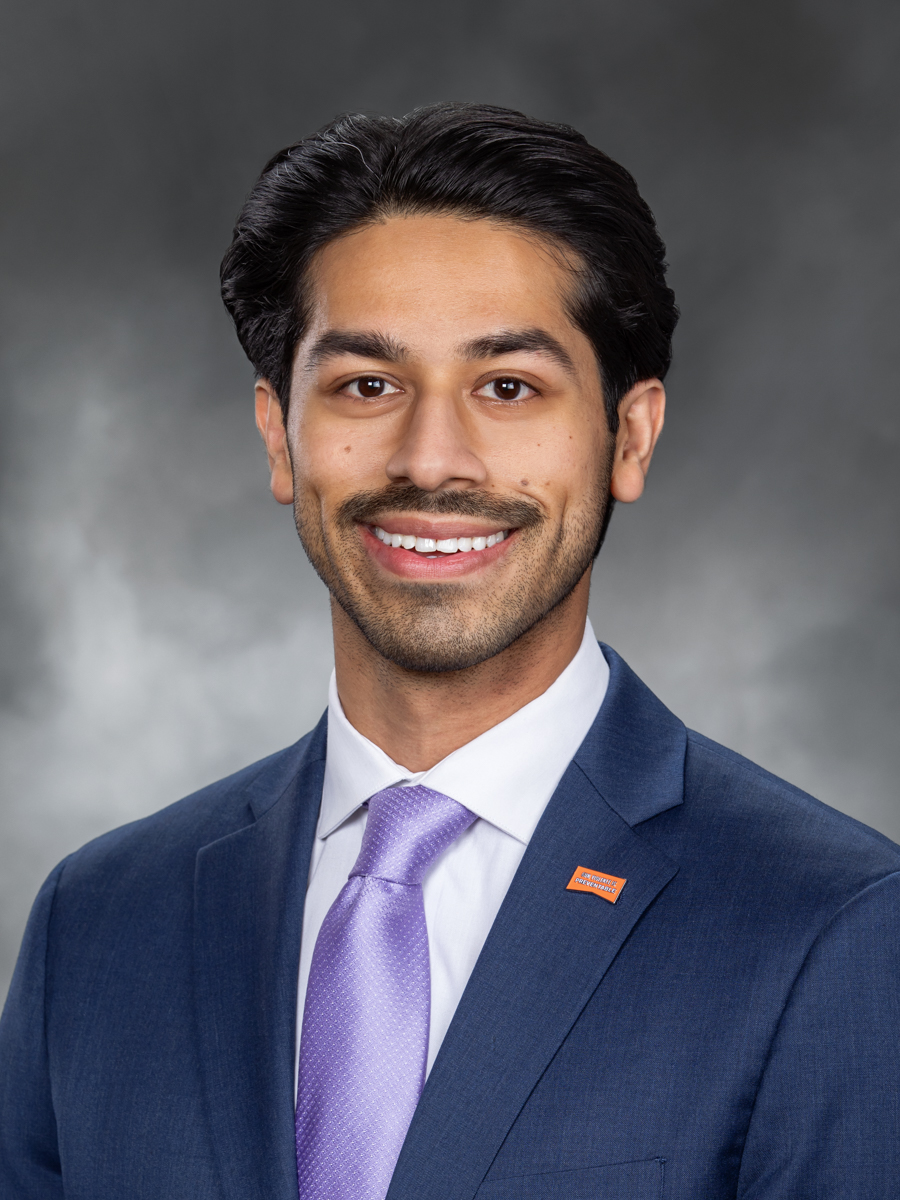
Rep. Osman Salahuddin
Sponsored bills
Maddy summaryHB 1429 creates a state-funded housing assistance program for youth in Washington's extended foster care system (ages 18-21) who are homeless or at risk of homelessness. The program provides up to 36 months of rental assistance, capping housing costs at 30% of a youth's income (up to 40% if rent exceeds fair market rent in their area), while allowing them to retain extended foster care support. It requires the state department to partner with qualified housing providers and conduct annual housing status checks. Additionally, the bill mandates transition planning three months before a youth turns 21, including referrals to housing vouchers, benefits, and services to support long-term stability. This addresses a gap where youth often lose foster care support when accessing federal housing programs.
Maddy summaryHouse Bill 1394 modifies the requirements for how long hospitals in Washington State must retain medical records. It mandates that hospitals preserve all medical records for a minimum of 26 years from the date the record was created, replacing the prior 10-year retention period. This new rule applies to both existing records currently held by hospitals and all future medical records, allowing for retention in paper, electronic, or other formats. It also clarifies that all information from each unique patient visit is considered a medical record under this section.
Maddy summaryHB 1296, "Promoting a safe and supportive public education system," enacts new requirements for public schools, charter schools, and state-tribal education compact schools in Washington. The bill prioritizes student safety, access to education free of discrimination, and privacy within the school system. It expands protected characteristics to include ethnicity, gender expression, gender identity, homelessness, immigration or citizenship status, and neurodivergence in anti-discrimination policies. Furthermore, the bill mandates that schools develop and share a "Statement of Student Rights" through educational and promotional materials, including civics education, to inform students of their entitlements.
Maddy summaryHB 1163 enhances requirements for firearm purchases, transfers, and possession in Washington state. The bill mandates that individuals obtain a valid permit to purchase firearms from the Washington State Patrol firearms background check program before acquiring a firearm. It also specifies requirements for firearms safety training programs, outlines circumstances for delayed firearm transfers, and requires recordkeeping for all transfers. These changes directly affect individuals seeking to purchase or transfer firearms and licensed firearm dealers, modifying the existing background check and sales processes.
Maddy summaryHouse Bill 1902 establishes a temporary work group to develop recommendations for making the permitting process for transportation projects more efficient. This group will involve various state agencies, local government representatives, industry groups, and tribal representatives. The work group's main goal is to identify ways to reduce project costs and completion times by aligning permitting requirements and processes, while ensuring environmental and regulatory protections are maintained. The group must submit an interim report by January 1, 2026, and a final report, including any legislative recommendations, by November 1, 2026, after which the group will expire.
Maddy summarySubstitute House Bill 1811 aims to enhance crisis response services in Washington state by integrating and supporting "co-response" teams. The bill formalizes co-response as a multidisciplinary partnership between first responders (like law enforcement and EMTs) and human services professionals (such as social workers and behavioral health clinicians). These teams respond to emergency situations, including 911 and 988 calls, involving behavioral health crises and complex medical needs. The goal is to de-escalate situations, divert individuals from the criminal justice system, and provide immediate medical and behavioral health care in the field, benefiting vulnerable populations.
Maddy summaryHB 1498 establishes a grant program to help cities and counties create and operate domestic violence co-responder programs. These programs deploy domestic violence victim advocates alongside law enforcement to provide on-scene support, resources, and care navigation for victims and their families. The bill creates a dedicated state treasury account, funded primarily by an additional $100 fee on marriage licenses, to support this initiative. The Office of Crime Victims Advocacy will administer these grants, also providing technical assistance and support for billing health insurance for services.
Maddy summaryHouse Bill 1848 aims to enhance services and supports for individuals living with traumatic brain injuries and their families in Washington State. The bill seeks to rebalance funding priorities to better support in-person support groups and community integration programs, which the legislature identified as underfunded. To generate additional revenue for these services, it increases a specific fee assessed on traffic infractions from $5 to $10. This increased revenue will be deposited into the state's traumatic brain injury account.
Maddy summaryHB 2015 establishes a new grant program to improve public safety by providing direct financial support to local and tribal law enforcement agencies. These grants are intended to help agencies with hiring, retaining, and training law enforcement officers, as well as peer counselors and behavioral health personnel for co-response teams. To qualify for funding, agencies must meet specific requirements, including implementing state policies on use of force and de-escalation, participating in mandated trainings, and demonstrating compliance with data collection standards. Grant funds can cover up to 75 percent of entry-level salaries and benefits for new officers and support costs for required officer training.