

Maddy summaryHB 2634 addresses the cleanup of a leaking radioactive waste landfill at Hanford, which is contaminating soil and groundwater flowing toward the Columbia River. The bill requires waste generators and nuclear reactor operators to cover investigation and cleanup costs (not state taxpayers) and prohibits adding new waste until the site is fully remediated. It mandates future disposal facilities in Washington must include liners and environmental safeguards, and requires tribal input in setting cleanup standards for sites affecting treaty rights of the Yakama Nation and Umatilla Indian Reservation. The law also establishes that cleanup levels must protect human health and tribal resources using tribal-approved exposure scenarios.
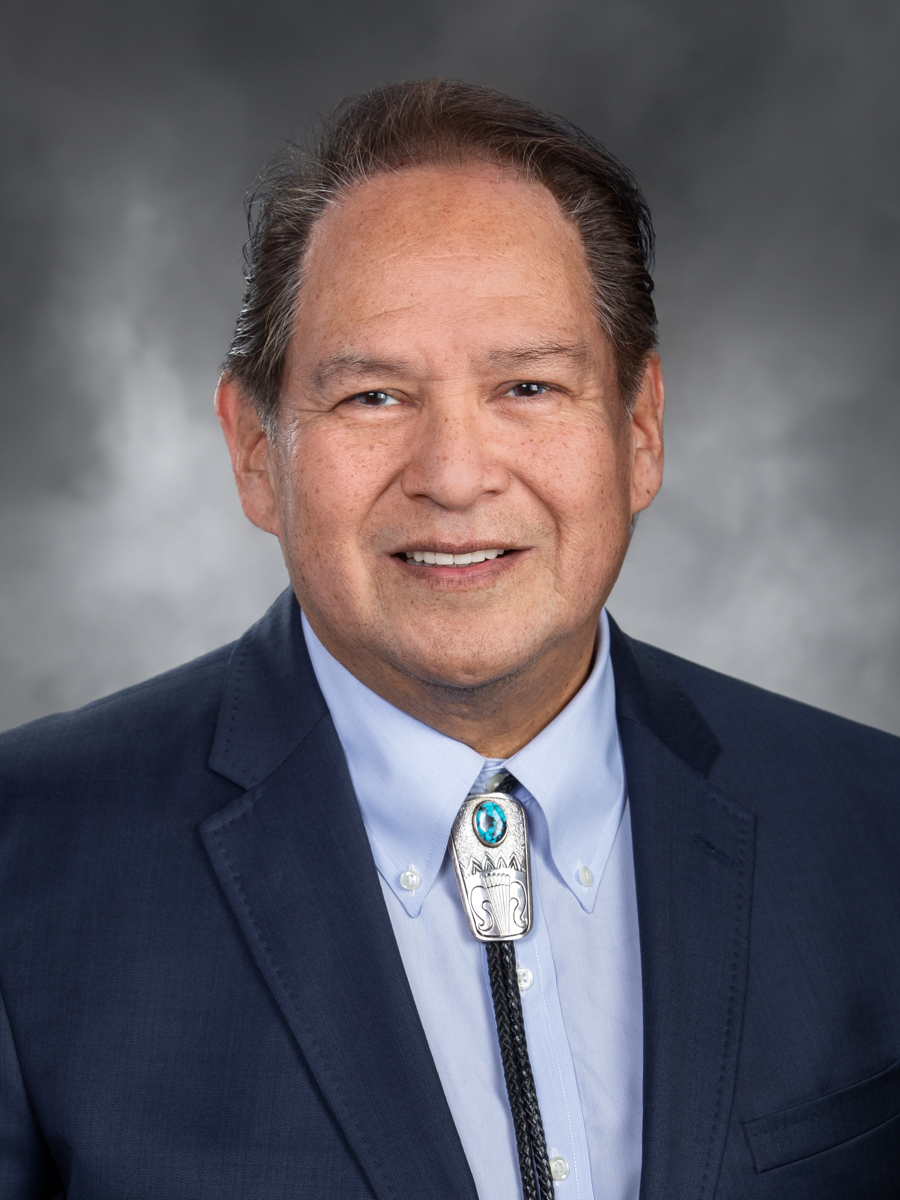
Rep. Chris Stearns
Sponsored bills
Maddy summaryHB 2173 prohibits Washington law enforcement officers from wearing facial coverings (like balaclavas or ski masks) during routine public interactions, while allowing exceptions for active undercover operations and protective gear used by specialized units like SWAT teams. The bill defines "facial covering" to exclude medical masks, helmets, and clear face shields. It also establishes that individuals detained in violation can sue officers for financial compensation, attorney fees, or other court-ordered remedies. The law applies to all "peace officers" as defined under state law during standard public duties.
Maddy summaryHB 2332 regulates how Washington state and local agencies use automated license plate reader (ALPR) systems to protect driver privacy. It requires all agencies using ALPRs to register systems with the Attorney General, limits their use to specific purposes (like checking stolen vehicles or missing persons), and prohibits collecting data near healthcare facilities, schools, or places of worship. The bill mandates detailed audit trails tracking every system access and explicitly bans using ALPRs for immigration enforcement or stopping vehicles based solely on a system match. Agencies must develop policies for ALPR use and obtain independent reasonable suspicion before stopping a vehicle, ensuring privacy rights under state and federal law.
Maddy summaryHB 2103 allows Washington cities, towns, and public utilities to contract for the *potential power generation capacity* (not just actual output) of renewable or nonemitting electric projects, such as wind or solar. It removes previous restrictions limiting contracts to specific "qualified alternative energy resources" and expands eligibility to align with current clean energy standards under RCW 19.405.020. Key provisions require public entities to pay for this capacity regardless of project completion or output issues, and payments cannot be reduced based on project performance. This bill aims to accelerate clean energy investment by giving local governments greater flexibility to secure future power needs.
Maddy summaryThis is a ceremonial House resolution (not a policy bill) introduced on January 19, 2026, by multiple Washington State Representatives. It formally recognizes Dr. Martin Luther King Jr.'s life, legacy of nonviolent activism, and contributions to civil rights, including his role in the Civil Rights Act of 1964 and Voting Rights Act of 1965. The resolution expresses the House's commitment to upholding Dr. King's ideals of equality, justice, and opportunity for all. As a symbolic gesture, it does not create new laws, allocate funds, or affect any specific individuals or groups.
Maddy summaryThis is a ceremonial House Resolution (not a bill with policy changes), adopted on January 16, 2026. It formally recognizes Washington's joint operating agencies (JOAs) for their role in developing clean energy infrastructure, including renewable sources like solar, wind, and hydroelectric power, as well as new projects like small modular reactors. The resolution highlights JOAs' contributions to reducing greenhouse gas emissions, ensuring affordable energy access, and supporting economic growth in Washington State. It does not create new laws, allocate funds, or impose requirements - its sole purpose is to acknowledge these agencies' historical and ongoing work.
Maddy summaryHB 2493 expands rights and support for survivors of sexual violence, including those affected by female genital mutilation (FGM), in Washington state. It amends statutes to require courts to appoint representatives for defendants representing themselves in sexual assault cases to question victims, and allows minors aged 13+ to consent to forensic exams for strangulation-related domestic violence. The bill also broadens definitions of sexual assault, mandates trauma-sensitive victim services, and guarantees survivors access to medical exams, advocates, and updates on case progress. These changes directly affect survivors, law enforcement, courts, and community sexual assault programs by embedding victim-centered approaches into legal procedures.
Maddy summaryHB 1434 amends Washington State law to officially recognize Eid al-Fitr and Eid al-Adha as state legal holidays, adding them to the existing list of recognized days. These Islamic holidays, which shift annually based on the lunar calendar, will now be included in the state's holiday schedule alongside established dates like New Year's Day and Thanksgiving. The bill affects state employees, who will be entitled to paid time off for these holidays under existing provisions for state legal holidays, as outlined in RCW 1.16.050. This change makes Washington the first U.S. state to formally recognize both Eid holidays as official state observances.
Maddy summaryHouse Joint Memorial 4003 is a non-binding resolution from the Washington State Legislature urging the U.S. government to join international efforts in developing a Fossil Fuel Non-Proliferation Treaty. It calls for ending new fossil fuel exploration and expansion, phasing out existing production in line with climate science, and prioritizing worker and community support during the transition. The memorial aligns with Washington’s existing climate laws, including the Climate Commitment Act and the HEAL Act, which aim to reduce emissions and address environmental health disparities. It directly addresses the U.S. President, Congress, and the United Nations to advance global climate action.
Maddy summaryHB 1894 requires Washington public school districts to incorporate curriculum about the history, culture, and government of nearby federally recognized tribes into social studies by September 1, 2026, directly affecting all K-12 schools. It mandates districts to consult with tribes during curriculum updates and use the "John McCoy (lulilaš)" curriculum as a starting point. The bill creates an Office of Native Education within the superintendent’s office to support districts in developing these materials and requires annual monitoring of compliance starting in 2025-26. The law expires September 1, 2029, and requires districts to report on tribal collaborations and curriculum implementation.