

Maddy summaryHB 1032 lowers the voter approval threshold for school district bond measures in Washington. It changes the requirement from a three-fifths (60%) majority to a simple majority (50%+1) of votes cast in school district elections on bond issues. This directly affects all Washington school districts seeking to borrow funds for capital projects like building repairs or new facilities. The bill amends existing laws (RCW 28A.535.020, 28A.535.050, and 39.36.020) to reflect this voting change, while keeping the overall debt limit at 2.5% of taxable property value.
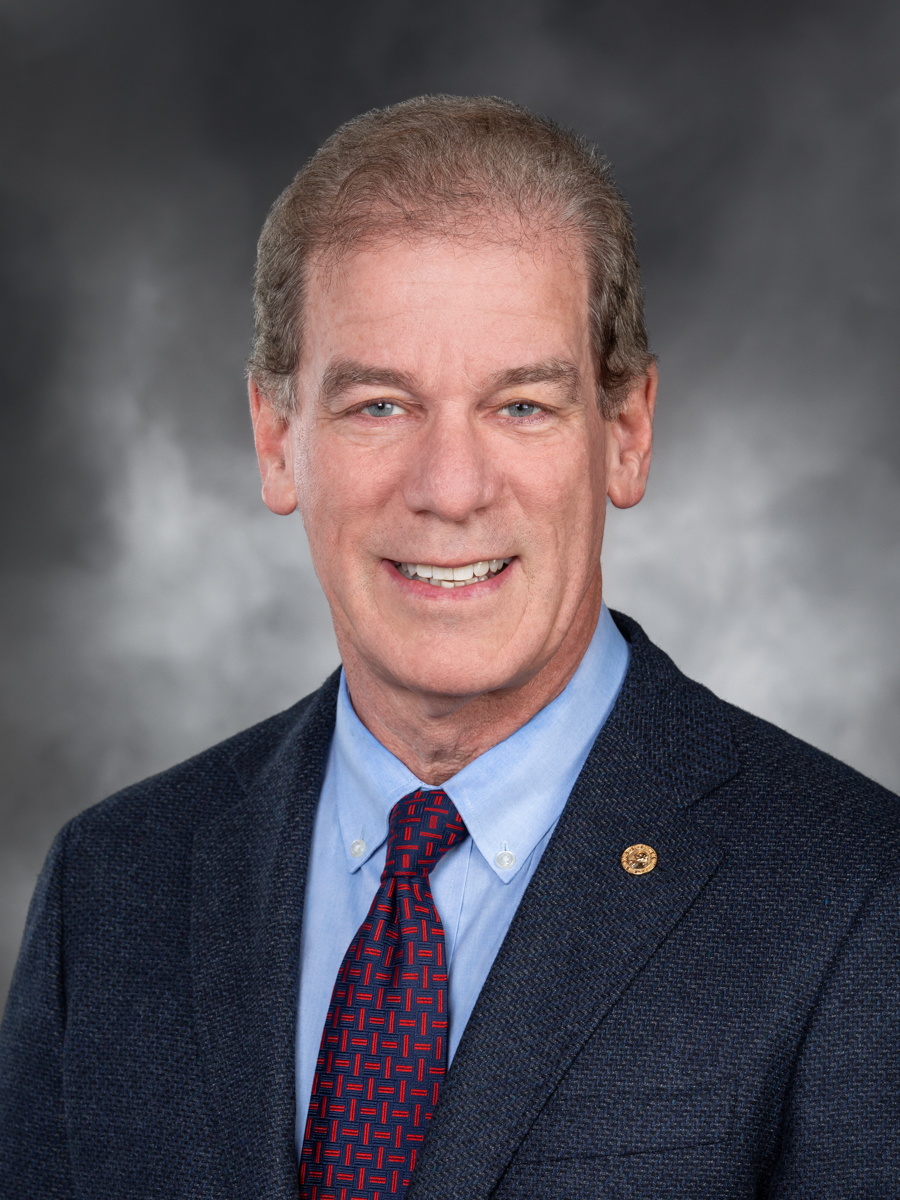
Rep. Roger Goodman
Sponsored bills
Maddy summaryHB 1680 creates a new "oral preventive assistant" license in Washington, allowing trained professionals to perform specific preventive dental services under a dentist's supervision. It directly affects dental practices and patients seeking routine care by expanding who can provide services like cleanings (prophylaxis) and basic gum checks (periodontal probing) for patients with healthy mouths. The bill establishes training requirements, defines the scope of allowable tasks (such as dental assisting duties and non-invasive procedures), and mandates that dentists verify assistants' competency before assigning tasks. This aims to increase access to preventive dental care by adding a new tier of dental support staff, while maintaining dentist oversight for complex procedures.
Maddy summaryHB 1744 makes it a crime to steal, alter, or fraudulently use gift cards by explicitly defining them as "access devices" under Washington's theft and fraud laws. It expands criminal penalties for obtaining gift cards through deception, such as altering barcodes or stealing unused cards from retail locations. The bill directly affects individuals who commit gift card theft or fraud, including those who take unused cards from stores or manipulate them to access funds. Key provisions clarify that "obtaining control" of a gift card through deception - like falsely claiming ownership - constitutes a violation. This law strengthens existing theft statutes to specifically address gift card-related criminal activity.
Maddy summaryHB 1661 establishes a pilot project to provide $25,000 grants to eligible Washington residents born into poverty. It directly affects individuals who were enrolled in Medicaid or CHIP before age one and remain enrolled at application, are Washington residents, and are 18-36 years old. The grants, administered through the State Treasurer's Office, can be used for education, home purchases, or starting a business in Washington, with funds not counting as assets for public assistance eligibility. The pilot will randomly select participants across geographic regions, require financial coaching, and include impact evaluations by the University of Washington. This is a limited-time study to test whether such grants improve economic stability for people facing intergenerational poverty.
Maddy summaryHB 1623 prohibits employers from deducting credit card processing fees from employee tips. It requires that when customers pay tips via credit card, employees receive the full amount indicated on the credit card slip, without any reduction for transaction fees charged by the credit card company. This law directly affects tipped workers in Washington, such as servers and bartenders, and applies to all employers accepting credit card tips. The bill amends state law to ensure tips paid by credit card are paid in full to employees, eliminating employer deductions for processing costs.
Maddy summaryHB 1147 grants incarcerated individuals in Washington state prisons, residential habilitation centers, and state hospitals the right to civic engagement. It requires state agencies to facilitate activities like forming political advocacy groups, using facility spaces for meetings, participating in virtual forums with community groups, and accessing educational resources - without fear of punishment. The bill establishes a Civic Engagement Coordinator within the Office of Equity to handle complaints and ensure agencies uphold these rights. This policy directly affects justice-involved individuals by expanding their ability to participate in civic processes during their time in state custody.
Maddy summaryHB 1404 expands access to free school meals in Washington state by removing income-based eligibility requirements. It mandates that all public school students who request a meal receive it at no cost, regardless of family income, to address food insecurity and support academic success. The bill amends several education funding statutes (including RCW 28A.235.135 and 28A.235.160) to align meal access with this new policy. It directly affects every public school student in Washington, ensuring no child experiences hunger during the school day. The policy change replaces previous tiered eligibility systems with universal free meals for all requesting students.
Maddy summaryHB 1263 updates Washington's Essential Needs and Housing Support Program to expand eligible uses for assistance. It allows cash assistance for recipients (previously prohibited) and clarifies eligibility for low-income elderly or disabled adults transitioning off certain benefits who have immediate housing needs. The bill requires housing support entities to prioritize homeless individuals first and those at "substantial risk" of losing housing second, while mandating data reporting to homeless management systems and limiting administrative costs to 5% of program funds. This directly affects vulnerable residents facing housing instability, including homeless individuals and those at risk of losing housing due to financial hardship.
Maddy summaryHB 1816 allows cities and counties with over 200,000 residents to create civilian crisis response teams that handle specific 911 calls instead of police. These teams can serve as the primary response for calls involving mental health crises, safety checks, or resource requests (like shelter or food), but only when no active violence or weapons are reported. The bill requires teams to undergo training in de-escalation and scene safety, and mandates consultation with health authorities to set qualifications and operating protocols. It designates these teams as a "third 911 responder" alongside police and fire, operating outside traditional law enforcement and fire response systems.
Maddy summaryHB 1071 aims to increase Washington's recycling rate to 65% for packaging by requiring producers to use more recycled content in their products and establishing a single statewide list of accepted recyclable materials to reduce confusion. It mandates a state-specific needs assessment to identify funding and infrastructure needs, addresses contamination in recycling streams, and expands recycled content requirements for packaging and paper products. The bill directly affects manufacturers (producers) of packaging and paper goods, as well as local governments managing curbside recycling programs. Key provisions include standardizing what can be recycled across the state, studying non-recyclable packaging labels, and ensuring equal access to affordable recycling services. The legislation builds on Washington's existing recycling infrastructure while targeting greenhouse gas reductions in the solid waste sector.