

Maddy summaryHB 1368 creates 54 new special license plate designs for Washington vehicle owners, each supporting specific causes, organizations, or local identities (e.g., "Washington Wine," "Seattle Sounders FC," "Washington State Parks," or "Breast Cancer Awareness"). Each plate has a set initial fee ($5-$45) and renewal fee ($30 for most), with the funds distributed to designated beneficiaries as specified in the bill. The legislation amends existing statutes to add these plates to the state’s licensing system, allowing drivers to display them instead of standard plates while paying the associated fees. It does not change vehicle registration requirements or create new policy impacts beyond these cosmetic plate options.
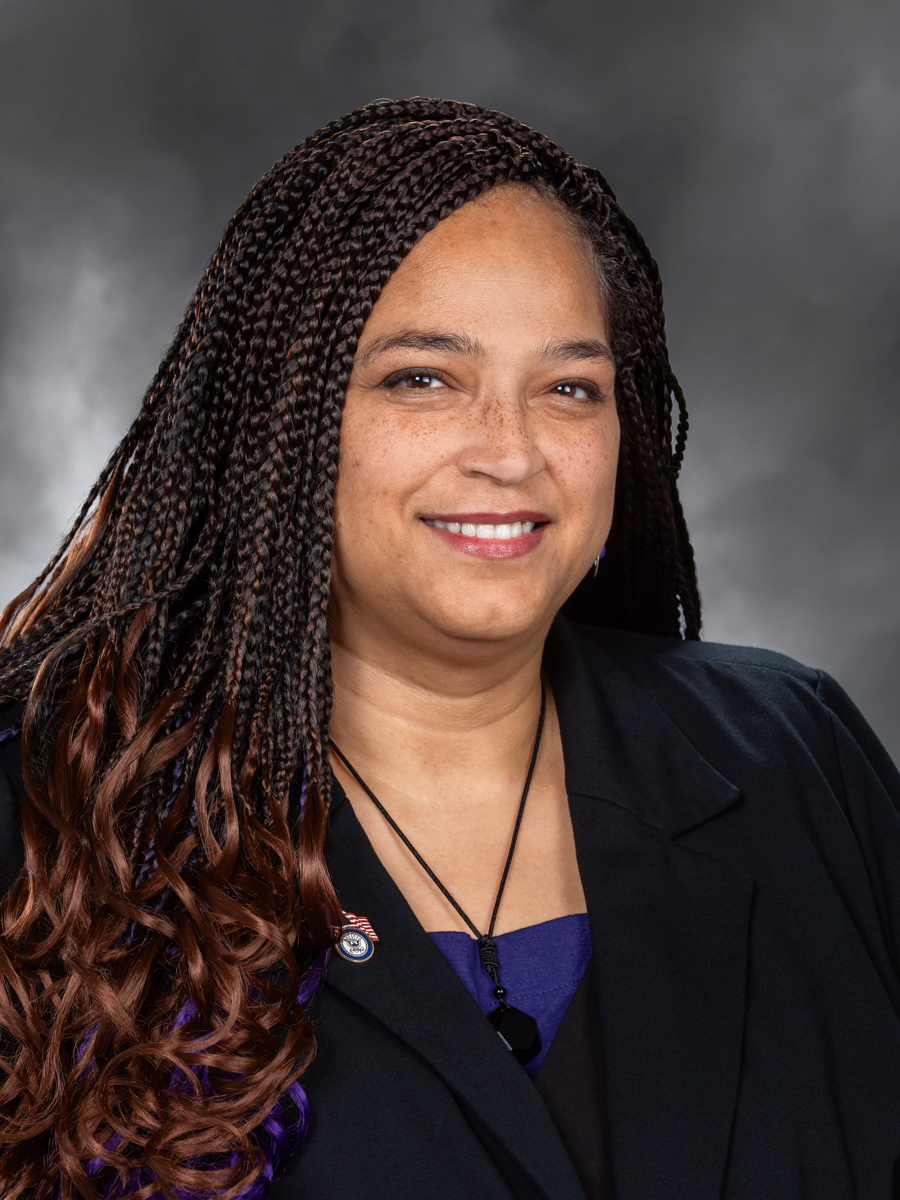
Rep. Brandy Donaghy
Sponsored bills
Maddy summaryHB 1305 extends the reimbursement period for property owners who paid for street, road, water, or sewer infrastructure from 15 to 20 years. It allows property owners to recoup costs from "latecomer" fees paid by future property owners who connect to the same system but didn’t contribute to the original construction. The bill also permits automatic extensions during government-imposed delays (like the pandemic-related moratoriums), requiring districts to record these extensions. Property owners must provide updated contact information biennially to avoid losing reimbursement funds, which must be deposited into the district’s capital fund.
Maddy summaryHB 1623 prohibits employers from deducting credit card processing fees from employee tips. It requires that when customers pay tips via credit card, employees receive the full amount indicated on the credit card slip, without any reduction for transaction fees charged by the credit card company. This law directly affects tipped workers in Washington, such as servers and bartenders, and applies to all employers accepting credit card tips. The bill amends state law to ensure tips paid by credit card are paid in full to employees, eliminating employer deductions for processing costs.
Maddy summaryHB 1150 requires producers of consumer packaging and paper products to fund and manage recycling programs, shifting responsibility from taxpayers to manufacturers. It aims to improve recycling access - especially for rural residents and multi-family housing - by mandating producer-funded curbside collection systems and setting statewide collection and composting targets. The bill defines "covered materials" (like plastic, paper, metal packaging) and exempts certain items (e.g., infant formula packaging), while creating an advisory council to oversee implementation. Producers must meet specific collection rate goals, with smaller businesses qualifying for de minimis exemptions based on revenue thresholds. The law preserves local government authority over waste management but requires producers to integrate into existing recycling infrastructure.
Maddy summaryHB 1283 amends Washington State vehicle title laws to clarify that certificates of title may be issued either electronically or as paper documents. The bill establishes a $50 service fee for applicants requesting a paper title, in addition to standard title fees, with specific distribution rules: $25 goes to the state motor vehicle fund, and the remainder is retained by the issuing county or subagent. It updates application requirements, including odometer disclosure and owner information, and specifies that paper titles cannot be issued immediately for vehicles previously designated as salvage. This bill directly affects vehicle owners seeking physical title documents, changing the fee structure and administrative process for paper title requests.
Maddy summaryHouse Bill 1300 consolidates the financial management for numerous professional licenses issued by the Department of Licensing. It repeals several dedicated accounts, such as those for architects, embalmers, and real estate appraisers, and directs their funds into the existing "business and professions account." This change means all fees, renewals, and penalties for a wide range of professions will be deposited into and managed from this single, centralized account. Any residual balances from the old, separate accounts will be transferred to the consolidated account by early 2026.
Maddy summaryHB 1240 creates special protections for vehicles used as residences in Washington, directly affecting people living in their cars due to housing insecurity and poverty. The bill requires tow operators to halt public auctions if a vehicle is identified as a residence, provides written notice of redemption rights, and mandates a 90-day window for owners to claim their vehicle before auction. It also requires government entities to cover storage costs for impounded vehicle residences and prohibits disposal of personal belongings without owner request. These changes aim to prevent permanent loss of shelter and unaffordable debt for vulnerable residents.
Maddy summaryHB 1062 requires all health plans in Washington (including commercial plans, public employee coverage, and state Medicaid) to cover biomarker testing starting January 1, 2026. This applies to tests that measure biological markers in tissue or blood (like gene mutations) when used for diagnosis, treatment, or monitoring of a patient’s condition, provided the test is supported by FDA approvals, Medicare guidelines, clinical practice standards, or expert consensus. Plans must ensure coverage without causing unnecessary disruptions, such as requiring multiple biopsies. The bill mandates this coverage uniformly across all plan types under specific evidence-based criteria.
Maddy summaryHB 1810 requires Washington state to study financial incentives for seismic retrofits of older brick buildings (unreinforced masonry structures) and create a statewide inventory of such buildings. It directly affects building owners of vulnerable historic properties, local governments using the inventory for planning, and taxpayers through potential tax changes. Key provisions include a 2026 study on tax modifications (like special valuation or exemptions) to reduce retrofit costs, and a 2030 deadline to catalog all such buildings using existing data and on-site verification. The bill aims to make retrofits more affordable to protect public safety and preserve affordable housing, without mandating retrofits. It expires in 2026 for the study and 2030 for the inventory work.
Maddy summaryHB 1058 creates tax credits for eligible railroads to fund infrastructure improvements. It directly affects small regional railroads (class II/III), public entities like ports/cities, and industrial property owners with rail spurs in Washington. The bill provides a 50% tax credit on qualified expenses for maintenance, new rail development, or modernization projects (e.g., track upgrades, bridges, safety equipment), with annual limits of $500,000 per taxpayer and a total $8 million statewide cap. Credits can be carried forward for up to five years or transferred to other eligible taxpayers.