

Maddy summaryThis bill (HB 2120) modifies reporting requirements for two separate programs, not the audit committee's work plans as the title suggests. It updates rules for how municipalities use lodging tax revenues (requiring applicants to estimate travel impacts and report actual visitor numbers) and mandates the Employment Security Department to report annually on training benefits program outcomes, including participant demographics, employment results, and program costs. The bill affects municipalities receiving lodging tax funds, tourism organizations, and the Employment Security Department. Key provisions require detailed annual reports on lodging tax usage and biennial reviews of training benefits by the joint legislative audit committee. The mismatch between the title and actual content appears to be an error in the bill's designation.
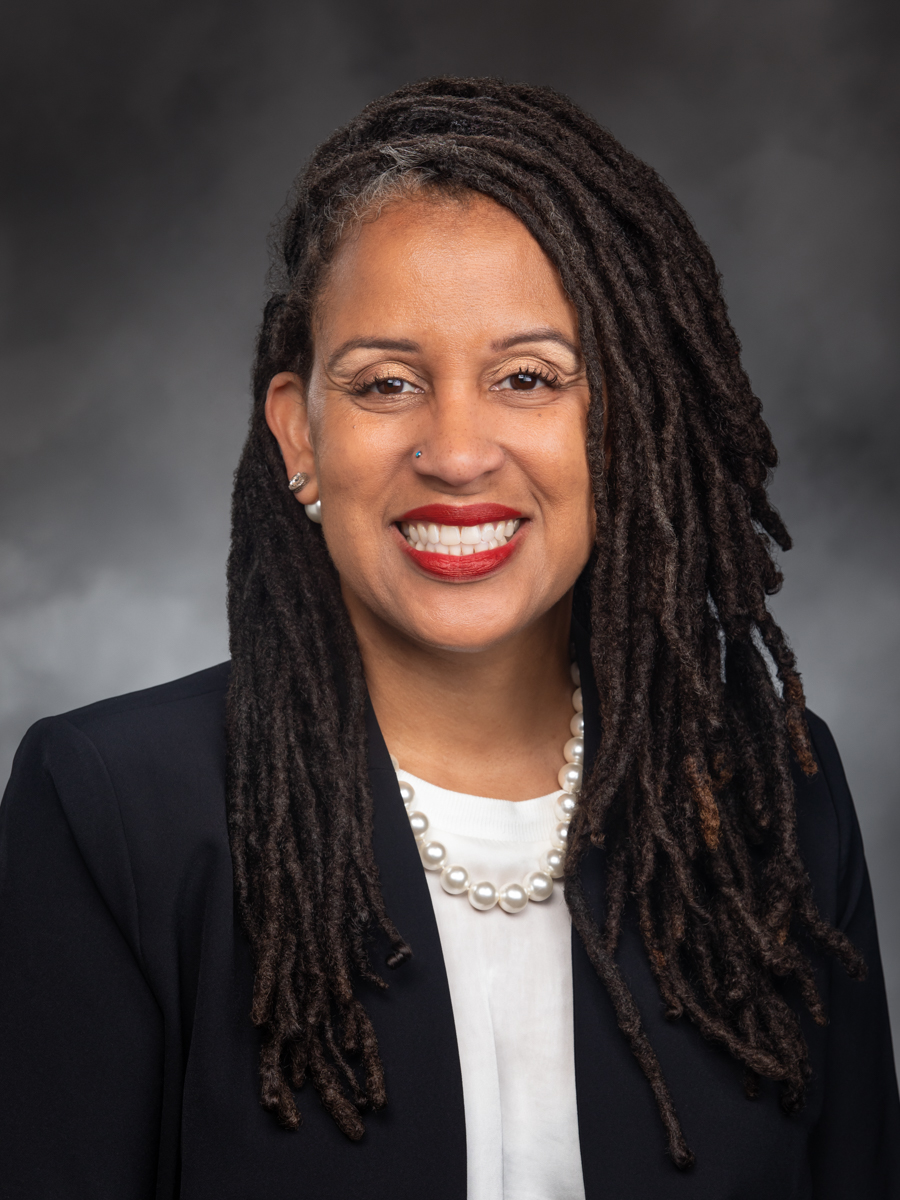
Rep. April Berg
Sponsored bills
Maddy summaryHB 1078 regulates pet insurance policies in Washington State. It prohibits insurers from excluding coverage or canceling policies based on a pet’s age, developing health conditions (like chronic illnesses or congenital disorders), or preexisting conditions without clear proof. The bill limits waiting periods for non-accident illnesses to 30 days (no waiting periods for accidents), requires insurers to allow waiver of waiting periods via a vet exam (paid by the owner unless specified otherwise), and bans requiring exams for policy renewals. These changes directly affect pet owners and insurers by standardizing coverage terms and preventing unfair cancellations.
Maddy summaryHouse Bill 1759 designates December 12th as "the day of the 12s" in Washington state. This bill adds the designation to a list of recognized days within state law that are not considered legal holidays for any purpose.
Maddy summaryHB 2272 updates Washington state law to replace outdated terms like "ski lift" and "rope tow" with modern terminology such as "aerial lift," "surface lift," and "conveyor" in statutes governing ski areas. The bill amends safety rules to reflect these terms, requiring skiers to follow conduct rules (e.g., no throwing objects, using designated embarkation areas) and clarifying that operators are not common carriers. It also mandates that ski area operators maintain $1 million in liability insurance per incident, applying to public facilities but exempting free, non-public tramways. This directly affects ski area operators, skiers, and winter sports participants by modernizing safety language and insurance requirements.
Maddy summaryHB 2492 requires state-registered plumbing apprenticeships in Washington to include four hours of approved behavioral health and wellness training as part of their continuing education requirements. This applies directly to apprentices in the plumbing construction trade who need to maintain their certification. The training must cover topics like destigmatizing mental health, recognizing distress, suicide prevention, substance use awareness, and connecting to resources. It modifies existing certification rules (RCW 18.106.070) to allow these hours to count toward the required 24 hours of annual continuing education. The bill does not create new licensing standards but integrates mental health support into existing apprenticeship training.
Maddy summaryHB 2355 establishes minimum wage, overtime, and written contract requirements for domestic workers in Washington State, directly affecting nannies, home care aides, housekeepers, and similar workers employed in private residences. The bill requires employers to pay at least the state minimum wage (including overtime after 40 hours), provide a written agreement detailing pay, hours, benefits, and termination notice (2 weeks for non-live-in workers, 4 weeks for live-in), and prohibits wage theft like withholding pay. It excludes family members, casual labor (e.g., irregular babysitting), and home care provided through state-funded agencies. The law aims to bring domestic workers under standard labor protections while clarifying exemptions for certain informal or family-based arrangements.
Maddy summaryThis bill requires the Washington State governor to submit more detailed budget documents that include specific performance indicators, revenue estimates, and explanations for financial changes. It mandates that budget submissions show how proposed spending aligns with statewide priorities and identifies activities that do not meet these goals. The legislation also establishes rules for maintaining a positive fund balance and limits maintenance-level spending to available fiscal resources, with specific calculations for revenue forecasts. These requirements apply to all state agencies and aim to improve budget transparency and long-term financial planning.
Maddy summaryThis is a commemorative resolution (HR 4697) honoring Dr. Bernal Baca, recognizing his decades of service to Washington state. It highlights his work as a 30-year Yakima Valley College professor, founder of the Washington State Commission on Hispanic Affairs, leader in labor and education advocacy, and executive director of a Tacoma-based Latino community nonprofit. The resolution formally acknowledges his contributions to justice, education, and community building, with no policy changes or direct effects on specific groups. As a procedural measure, it serves solely to express the House's recognition of his legacy.
Maddy summaryHR 4700 designates March 9 as "Billy Frank Jr. Day" to honor the late Nisqually Tribe leader who dedicated his life to protecting tribal treaty fishing rights and environmental conservation. The resolution commemorates his pivotal role in landmark legal cases securing tribal fishing rights and his decades-long efforts to foster collaboration on salmon habitat restoration and natural resource management. It recognizes his legacy of consensus-building between tribes, state authorities, and diverse stakeholders to uphold treaty obligations and protect Washington's ecosystems. The resolution does not create new policy but serves as a symbolic tribute to his advocacy.
Maddy summaryThis Washington state joint memorial (HJM 4017) urges the U.S. federal government to take specific actions regarding Iran, directly affecting U.S. agencies and policymakers. It requests the U.S. refrain from military intervention, strengthen targeted sanctions against Iranian officials violating human rights, minimize harm from broad sanctions on civilians, and support Iranian democracy movements through diplomatic and humanitarian means. The resolution emphasizes prioritizing Iranian-led democratic processes and includes nine specific policy requests, such as expanding internet access and halting deportations to Iran. As a symbolic state resolution - not a binding law - it has no legal effect but formally expresses Washington’s position to federal authorities.