

Maddy summaryHouse Bill 1488 updates the rules for how conservation districts in Washington State can collect revenue from landowners. It increases the maximum annual charge per parcel that counties can approve for conservation districts to $25, replacing previous tiered limits based on county population. The bill also establishes a process for the Department of Revenue to adjust this maximum per-parcel rate every three years, starting in 2029, based on inflation. Additionally, it clarifies that state-owned lands are subject to these charges and adjusts how forestlands are charged, including a cap on acreage and a per-owner charge instead of a per-parcel charge for forestland owners.
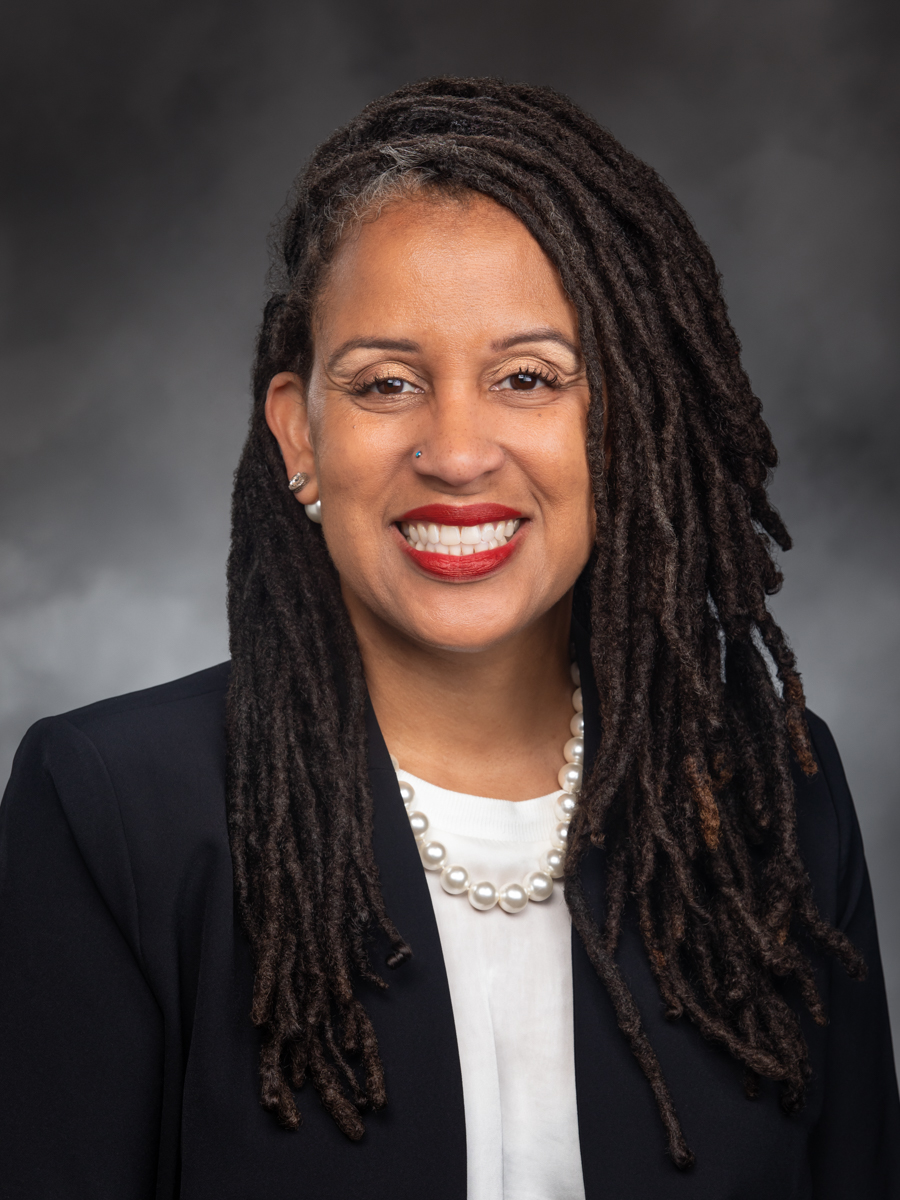
Rep. April Berg
Sponsored bills
Maddy summaryHouse Bill 1079 permits school districts with online programs to offer remote testing options for statewide assessments to their students, starting in the 2027-28 school year. This measure aims to reduce travel burdens and costs for students and families enrolled in online education. The Office of the Superintendent of Public Instruction (OSPI) is required to develop comprehensive policies by April 1, 2027, to ensure the security and integrity of these remote tests. These policies will address requirements for testing personnel, student-to-proctor ratios, remote testing environments, device specifications, and parental consent.
Maddy summaryHouse Bill 1052 clarifies the definition of a hate crime offense in Washington state, applying to individuals who commit malicious and intentional acts against others based on perceived protected characteristics. It specifies that assault, property damage, or threats made due to a person's perceived race, religion, gender, sexual orientation, or disability constitute a hate crime. The bill also outlines specific acts, such as burning a cross or defacing property with Nazi symbols, that can be used to infer intent to threaten a victim based on their perceived characteristics. Commission of a hate crime offense is established as a Class C felony.
Maddy summaryHouse Bill 1023 adopts the Cosmetology Licensure Compact, creating a new multistate licensing program for cosmetologists. This compact allows licensed cosmetologists to practice in any participating member state with a single license issued by their home state, aiming to reduce licensing burdens and enhance mobility for professionals, including military spouses. It establishes a commission to set uniform requirements and facilitate cooperation among states for licensure, investigations, and discipline. The bill's purpose is to improve public access to, and safety of, cosmetology services while addressing workforce shortages. Washington State's adoption of this compact will become effective on June 1, 2028.
Maddy summaryHB 1149 updates and clarifies Washington State's animal cruelty laws, specifically within RCW 16.52, to enhance the prevention of cruelty to animals. The bill redefines key terms such as "abandons," "necessary food," "necessary medical attention," "necessary sanitation," "necessary shelter," "necessary space," and "necessary water." These changes establish more explicit standards for the adequate care of nonhuman mammals, birds, reptiles, and amphibians. It also introduces a comprehensive definition of "minimum care," providing clearer guidelines for animal owners, animal care and control agencies, and law enforcement.
Maddy summaryHB 1217 aims to improve housing stability for tenants in Washington state, applying to those under the residential landlord-tenant act and the manufactured/mobile home landlord-tenant act. It limits combined rent and fee increases to no more than seven percent within any 12-month period after the initial year of a tenancy, though some exemptions may apply. The bill also requires landlords to provide notice for increases, places limits on various fees and deposits, and allows tenants to terminate their lease if an increase is unlawful. Additionally, it establishes a landlord resource center and authorizes the Attorney General to enforce its provisions, providing specific remedies for tenants in cases of violation.
Maddy summaryHouse Bill 1874 requires licensed cosmetologists, barbers, estheticians, and hair designers in Washington State to receive training on the care, styling, and treatment of textured hair. The bill addresses a gap in current training standards, which often do not fully cover diverse hair textures like curly, coiled, coarse, and thick hair. It aims to integrate this specialized knowledge into the required curriculum for these professionals. The goal is to ensure stylists have the skills and confidence to work with a broad range of hair types while upholding industry health and safety standards.
Maddy summaryHouse Bill 1046 grants civil immunity to individuals who damage a motor vehicle while rescuing a vulnerable person or domestic animal from imminent harm inside. To qualify for this protection, the rescuer must determine the vehicle is locked, have a good faith belief of imminent danger, notify law enforcement before entry, use only necessary force, and remain with the rescued individual until first responders arrive. A "vulnerable person" includes anyone under 18 or impaired by disability or aging, and "domestic animal" refers to household pets such as dogs and cats. This bill aims to encourage intervention in situations where vulnerable individuals or pets are at risk in locked vehicles.
Maddy summaryHB 1012 explicitly authorizes the Washington State Women's Commission to solicit gifts, grants, and endowments from public or private sources. This bill amends current law to empower the commission to actively seek and accept financial contributions. These funds are designated for the commission's projects and functions that are not funded by the legislature. The commission's executive director is required to report any private funds received to the office of financial management.
Maddy summaryHB 1644, "Concerning the safety and health of working minors," aims to strengthen protections for young workers in Washington state. The bill amends the criteria for "responsible bidders" on public works contracts, requiring that contractors not have a revoked minor work permit to be eligible for these projects. It also modifies the process for issuing citations to employers who violate requirements related to minor work permits. These provisions are intended to promote adherence to safety and health standards for minors in the workplace.