

Maddy summaryHB 2099 expands Washington State's early childhood education and childcare assistance program to include military-connected children who don't qualify under standard eligibility rules. It creates a new pathway for children from military families (active duty, reserves, or National Guard members stationed or residing in Washington) with family incomes above 50% but below the maximum for Working Connections childcare, as long as space and funding are available. The bill requires prioritization of these children using the same existing risk-factor system that considers income, child welfare involvement, domestic violence, and other factors linked to school readiness. This new category does not count toward the state's existing entitlement program, and the changes expire on August 1, 2030.
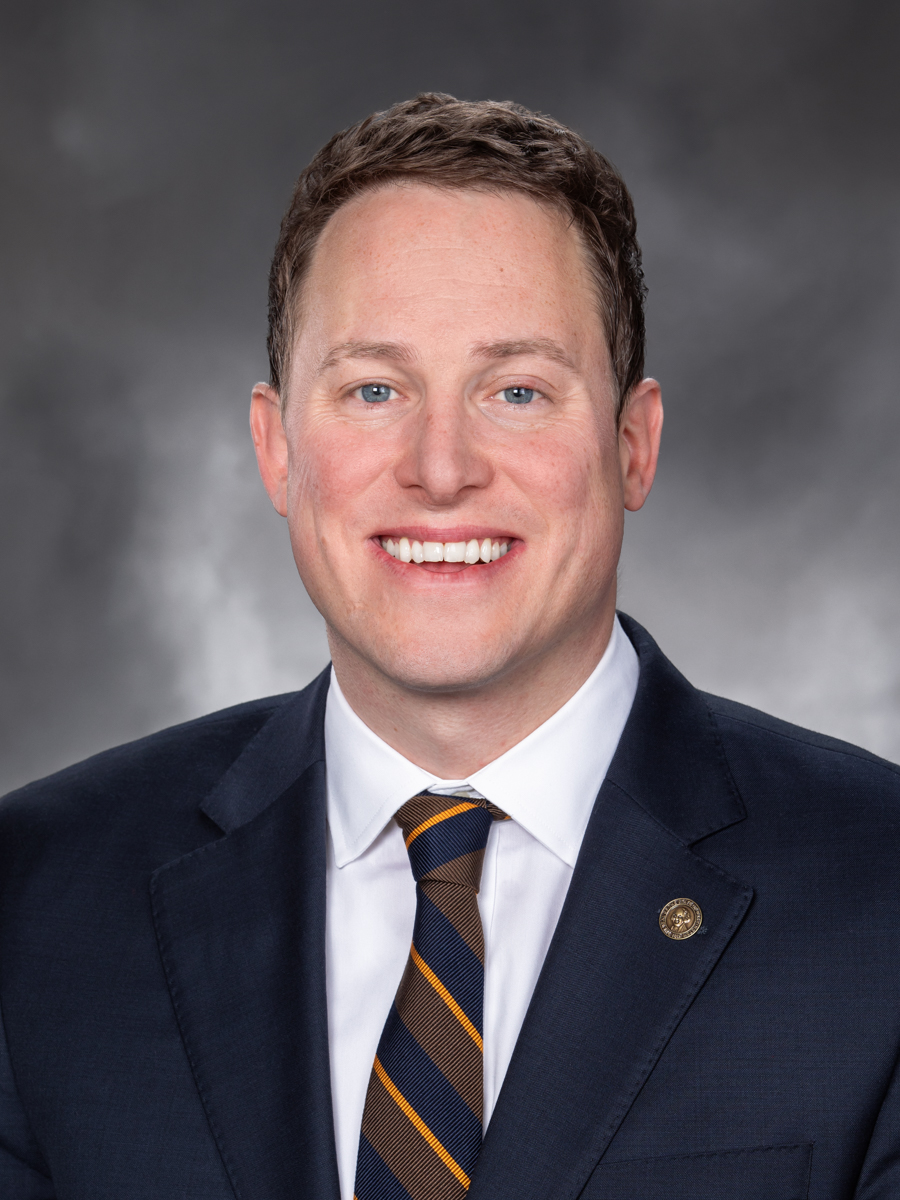
Rep. Joe Timmons
Sponsored bills
Maddy summaryHB 2190 grants language access providers (like interpreters for state agencies) the right to collectively bargain with the governor as their employer, but only for specific services. It creates three statewide bargaining units: one for health/social services appointments, one for workers' compensation/crime victims, and one for other state agency services. Bargaining is limited to pay, training, grievance procedures, and benefits - excluding retirement - and requires the governor to request funding approval from the legislature for any agreement. The bill clarifies these providers are not state employees for other purposes and includes strict budget processes for implementing agreements.
Maddy summaryThis is a ceremonial House resolution (not a policy bill) introduced on January 19, 2026, by multiple Washington State Representatives. It formally recognizes Dr. Martin Luther King Jr.'s life, legacy of nonviolent activism, and contributions to civil rights, including his role in the Civil Rights Act of 1964 and Voting Rights Act of 1965. The resolution expresses the House's commitment to upholding Dr. King's ideals of equality, justice, and opportunity for all. As a symbolic gesture, it does not create new laws, allocate funds, or affect any specific individuals or groups.
Maddy summaryThis is a ceremonial House Resolution (not a bill with policy changes), adopted on January 16, 2026. It formally recognizes Washington's joint operating agencies (JOAs) for their role in developing clean energy infrastructure, including renewable sources like solar, wind, and hydroelectric power, as well as new projects like small modular reactors. The resolution highlights JOAs' contributions to reducing greenhouse gas emissions, ensuring affordable energy access, and supporting economic growth in Washington State. It does not create new laws, allocate funds, or impose requirements - its sole purpose is to acknowledge these agencies' historical and ongoing work.
Maddy summaryHB 2112 requires commercial websites and social media platforms that publish or distribute online content where over one-third qualifies as "sexual material harmful to minors" to verify users are 18 or older before access. This applies to entities like adult content platforms, using methods such as government ID checks or digital identification, while prohibiting retention of personal data. The bill mandates clear health notices about youth risks on content pages and exempts news organizations, internet service providers, and constitutionally protected activities. Violations could trigger daily penalties up to $10,000 per day, plus up to $250,000 if minors access restricted content.
Maddy summaryHB 2473 authorizes the Washington State Leadership Board to accept donations, grants, and endowments from public or private sources to support its existing programs. The board, which administers initiatives like Washington World Fellows (study abroad fellowships) and Boundless Washington (outdoor leadership for youth with disabilities), may use these funds for its mission without replacing state appropriations. Crucially, the bill requires the board to publicly post all received funds and expenditures on its website and report private donations to the Office of Financial Management. These funds must directly support authorized programs not already funded by the legislature, ensuring transparency and accountability.
Maddy summaryHB 2169 strengthens financial independence for Washington youth aged 18-21 in the care of the Department of Children, Youth, and Families (DCYF). It prohibits DCYF from using personal benefits (like Social Security) paid to these youth to reimburse care costs starting January 1, 2027. The bill requires DCYF to help eligible youth apply for Social Security benefits, assist in setting up managed financial accounts (such as ABLE accounts), and provide support for managing funds. If needed, DCYF must help identify an authorized representative to manage benefits, though it clarifies the department owes no fiduciary duty to youth or third parties managing these accounts.
Maddy summaryHB 1129 requires most group health plans in Washington to cover fertility preservation services starting January 2026 and infertility diagnosis/treatment starting January 2027. It mandates coverage for two egg retrieval procedures with unlimited embryo transfers (per medical guidelines), prohibits different cost-sharing for fertility services compared to other pregnancy care, and ensures coverage extends to spouses and nonspouse dependents equally. The bill directly affects health insurers and enrollees seeking fertility care, including LGBTQ+ individuals and racial/ethnic minorities who face coverage disparities. Key provisions include banning restrictions on fertility medications and eliminating separate deductibles or waiting periods for these services.
Maddy summaryHB 1383 establishes a state grant program to provide funding for diaper banks to purchase and distribute essential baby items like diapers and wipes to families in need. The program prioritizes providers serving marginalized low-income communities or communities of color, or those with proven capacity to distribute baby essentials at scale. Grant recipients must apply through the department, which will annually report awarded funds on its website. This bill directly affects families accessing baby supplies and diaper bank providers operating in Washington state.
Maddy summaryHB 1737 ensures federally approved apprenticeship programs operated by federally recognized tribal governments in Washington state have the same rights and responsibilities as state-approved programs. It amends state law to define "registered apprentice" and "skilled journeyperson" to include tribal programs that meet federal approval standards. The bill requires contractors working at high-hazard facilities like petroleum refineries and petrochemical plants to use a "skilled and trained workforce" made up of registered apprentices or skilled journeypersons from approved programs, including tribal ones. This directly affects tribal governments operating apprenticeship programs and contractors in critical industries, ensuring equitable access to these workforce standards.