

Maddy summaryHouse Bill 1874 requires licensed cosmetologists, barbers, estheticians, and hair designers in Washington State to receive training on the care, styling, and treatment of textured hair. The bill addresses a gap in current training standards, which often do not fully cover diverse hair textures like curly, coiled, coarse, and thick hair. It aims to integrate this specialized knowledge into the required curriculum for these professionals. The goal is to ensure stylists have the skills and confidence to work with a broad range of hair types while upholding industry health and safety standards.
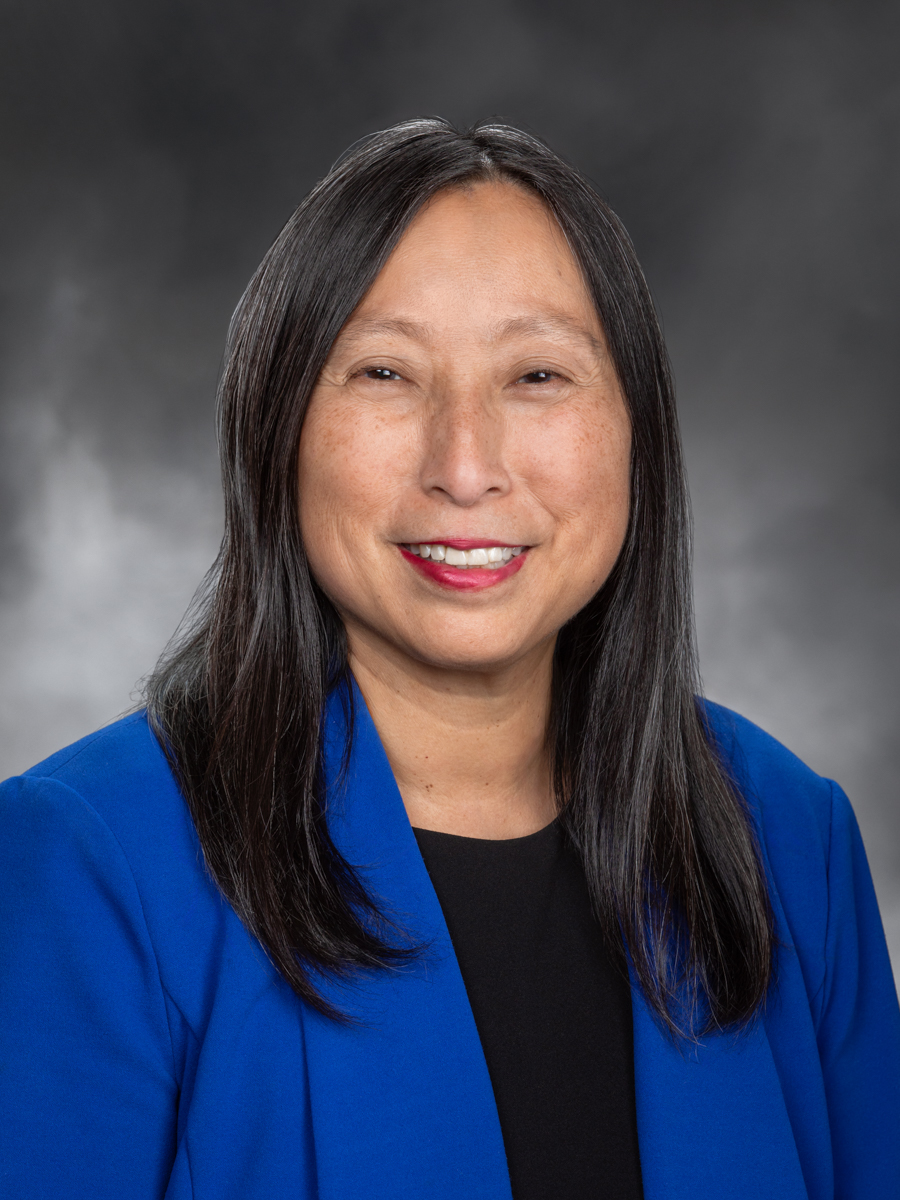
Rep. Janice Zahn
Sponsored bills
Maddy summaryHouse Resolution 4650 is a commemorative resolution recognizing Representative Bruce Q. Chandler for his 26 years of distinguished service to the 15th Legislative District and the State of Washington. It honors his contributions in areas such as agriculture, business, early learning, and state budgeting.
Maddy summaryEngrossed Substitute House Bill 1875 expands the reasons for which employees in Washington state can use their accrued paid sick leave. It allows employees to use this leave to prepare for or participate in judicial or administrative immigration proceedings for themselves or a family member. For absences exceeding three days for this purpose, employees can provide verification through documentation from an immigration advocate, attorney, or clergy, or a written statement from the employee, without disclosing sensitive immigration status details. The bill ensures that employees can attend these proceedings without losing pay.
Maddy summaryHouse Resolution 4664 is a commemorative bill that honors the life and legacy of former Speaker Frank Chopp. It recognizes his extensive public service, advocacy for social justice and housing, and his record as the longest-serving Speaker in Washington state history.
Maddy summarySubstitute House Bill 1899 modifies the requirements for the Washington State homelessness point-in-time count. The bill removes the mandate for the Department to conduct this count annually, instead allowing the Department to establish a schedule and determine the data to be collected in consultation with local governments. It also eliminates previous requirements for the Department to implement an online information and referral system and an organizational quality management system. However, provisions protecting the confidentiality of personal information collected during the count and specific protections for victims of domestic violence or sexual assault remain in effect.
Maddy summaryThis bill modifies Washington's covenant homeownership program, which provides down payment and closing cost assistance to eligible first-time homebuyers from historically marginalized communities. It raises the household income eligibility threshold for participants from 100% to 140% of the area median income. The bill also introduces a provision allowing for full loan forgiveness after five years for participants whose household income is at or below 80% of the area median income at the time of the loan. Additionally, it adjusts the membership of the program's oversight committee.
Maddy summaryHouse Bill 1718 establishes formal well-being programs specifically for physicians and physician assistants. These programs are designed to address career fatigue and promote overall well-being through peer-to-peer interactions and connections to physical and behavioral health resources. The bill clarifies that these programs are distinct from disciplinary actions, quality improvement processes, or monitoring professionals who may be unable to practice safely. It also updates existing reporting requirements, allowing information about a professional's ability to practice safely to be shared with approved well-being programs or voluntary substance use disorder monitoring programs.
Maddy summaryHB 1540 expands eligibility for the "students experiencing homelessness and foster youth program" to include accredited public tribal colleges in Washington. This program, previously available only at public four-year institutions, provides assistance to students experiencing homelessness and those who were in the foster care system when they graduated high school. Support services can include access to laundry, storage, reduced-price meals, technology, housing assistance, and case management. Participating institutions are also enabled to develop affordable housing from surplus property and are required to submit annual reports to the legislature on the program's impact.
Maddy summaryHB 1563 establishes a prescribed fire claims fund pilot program in Washington state to provide financial loss coverage for damages resulting from prescribed fires and cultural burning. This program supports non-state and non-federal entities, such as private landowners and cultural fire practitioners, who conduct these burns according to approved plans and permits. The Office of Risk Management will administer the fund, which covers eligible property or economic damages up to $2,000,000 per claim. The intent is to reduce financial uncertainty and encourage the use of prescribed fire for forest health and wildfire prevention. This pilot program is set to expire on June 30, 2033.
Maddy summaryHouse Bill 1650 expands the allowable uses of local real estate excise tax (REET) revenues for counties and cities. It permits these local governments to fund certain airport capital projects through REET. Specifically, eligible airport projects are those included in the Washington aviation system plan or national plan of integrated airport systems with fewer than 10,000 annual enplanements. However, the bill explicitly prohibits using these funds for installing or improving leaded fuel systems at airports.