

Maddy summaryHB 2685 establishes tribal data sovereignty principles for Washington state agencies handling health data. It requires state agencies to share tribal data (defined as information specific to tribes or their members) in ways that respect tribal ownership and control, including obtaining informed consent for data use and providing tribes equal access to state health data. The bill mandates that agencies include these principles in data-sharing agreements, consult with tribal advisory councils, and exempt tribal data from public disclosure under state law. This directly affects state health agencies, local health jurisdictions, and federally recognized tribes in Washington by ensuring tribal sovereignty over their data.
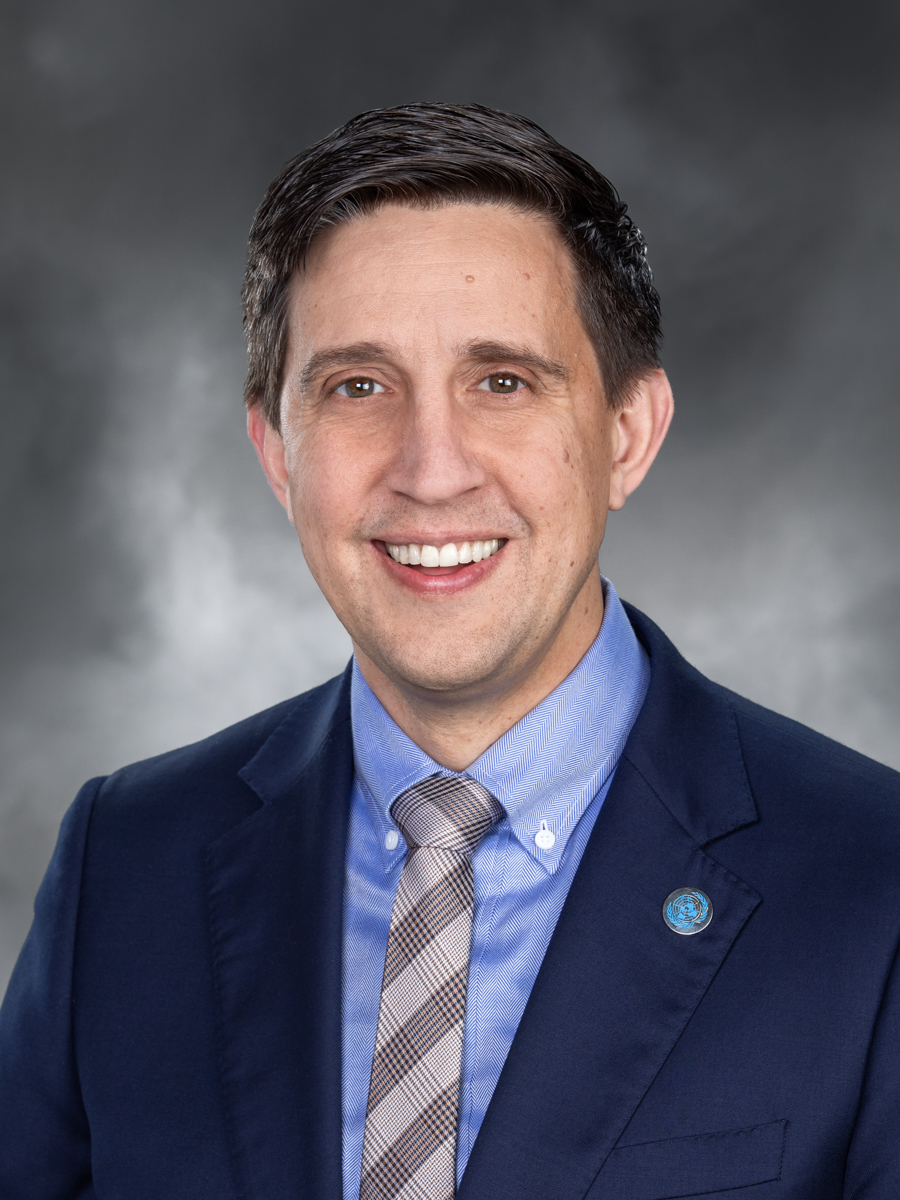
Rep. Alex Ramel
Sponsored bills
Maddy summaryHB 2245 updates definitions in Washington's Clean Energy Transformation Act to clarify rules for consumer-owned utilities, including municipal utilities, port districts, and cooperatives. It adds specific definitions for eligible biomass energy sources (excluding treated wood and municipal waste) and "energy transformation projects" like home weatherization, electric vehicle incentives, and renewable hydrogen infrastructure. These changes help these utilities comply with clean energy requirements by defining key terms used in rate-setting and project eligibility. The bill amends existing sections of state law (RCW 19.405.020 and 19.405.100) but does not create new programs or funding.
Maddy summaryHB 2401 establishes the Washington State Boys and Men Commission to address systemic challenges faced by boys and men, particularly those who are boys of color, in rural areas, identifying as LGBTQ+, or socioeconomically disadvantaged. The commission will identify needs, recommend policy changes, and coordinate with state agencies on issues like mental health access, education pathways, and vocational opportunities. Crucially, the commission’s creation is contingent on securing non-state funding (grants or private contributions) sufficient to cover operational costs through December 2029, with the Office of Financial Management required to identify funding needs by June 2026. It will consist of nine appointed members (including tribal representation and a majority identifying as male) and operate under an executive director appointed by the governor. The commission’s duties include serving as a policy information hub and producing biennial reports with recommendations to the legislature and governor.
Maddy summaryHB 2501 updates the required disclosure statement for sellers of residential properties with oil heating systems. It replaces outdated language about "no cost insurance" with a notice stating that "remediation assistance for heating oil contamination may be available" through the Washington State Pollution Liability Insurance Agency. The bill specifically affects real estate sellers in Washington who must provide this notice to buyers before closing. The revised disclosure applies only to property sales occurring on or after January 1, 2027, and does not change the insurance program itself.
Maddy summaryHB 2388 allows solar and small-scale wind energy projects to be built on agricultural lands without disrupting farming operations. It specifically defines "agrivoltaic facilities" (solar panels paired with crop production or grazing) and "pivot corner facilities" (solar next to irrigated fields) as acceptable uses, requiring projects to maintain soil productivity, allow farm machinery access, and not degrade land after decommissioning. The bill amends zoning laws to permit these projects on farmland while requiring counties to prioritize agricultural use and limit nonfarm development on suitable land. It directly affects farmers, landowners, and energy developers by creating clear rules for coexisting energy and agriculture.
Maddy summaryHB 2134 requires regional transportation planning organizations (RTPOs) serving specific counties to include measurable reductions in greenhouse gas emissions and vehicle miles traveled (VMT) in their transportation plans. It applies only to counties meeting strict criteria: those with high population density (100+ people/sq mi, 200,000+ population), river-bordering counties with growth rates ≥1.65%, or counties west of the Cascades with ≥130,000 residents. The bill mandates RTPOs to develop integrated regional plans that prioritize cost-effective projects, coordinate across county lines, and include financial strategies, while requiring biennial plan reviews. These plans must balance regional mobility with climate goals, focusing on existing infrastructure efficiency and transportation demand management.
Maddy summaryWashington State's HB 2157 regulates high-risk artificial intelligence systems that make consequential decisions affecting major life areas like housing, employment, healthcare, loans, and education. It applies to developers (with over $100,000 annual revenue) and deployers operating in Washington who use AI systems for these decisions. The law prohibits algorithmic discrimination - unlawful bias based on protected characteristics - and requires systems to be designed and tested to prevent such outcomes, while excluding research activities and certain facial recognition uses.
Maddy summaryHB 2191 requires owners and direct contractors to jointly pay unpaid wages and benefits (including health insurance, retirement contributions, and tool reimbursements) to construction workers when subcontractors fail to pay. It creates a direct legal path for workers, their representatives, or the attorney general to sue owners or direct contractors for withheld payments, rather than only pursuing subcontractors. The bill establishes a rebuttable presumption that workers are employees (not independent contractors), prevents liability waivers for nonpayment, and sets a 3-year deadline for filing claims. This directly affects construction workers, subcontractors, and higher-tier contractors across all project tiers in Washington state.
Maddy summaryHB 2092 establishes a passenger rail advisory committee for Washington State's Amtrak Cascades route. Counties with rail stations will appoint committee members (three from counties with over 750,000 residents, two from other counties) to provide community input on rail service challenges to the state transportation department. The committee must include rail users, commerce representatives, and local government staff, meeting three times yearly to advise on passenger rail concerns. This procedural bill creates a formal channel for community feedback but does not change rail service, funding, or operations.
Maddy summaryHB 1819 aims to increase electric transmission capacity in Washington State. It exempts certain utility actions, such as upgrading existing powerlines and deploying grid-enhancing technologies within existing rights-of-way, from some environmental review requirements. Before these projects commence, utilities must notify the Department of Archaeology and Historic Preservation and tribal nations to protect archaeological and cultural resources. The bill also updates requirements for electric utilities' integrated resource plans, mandating that they assess opportunities to optimize existing transmission capacity through improved operating practices and grid modernization.