

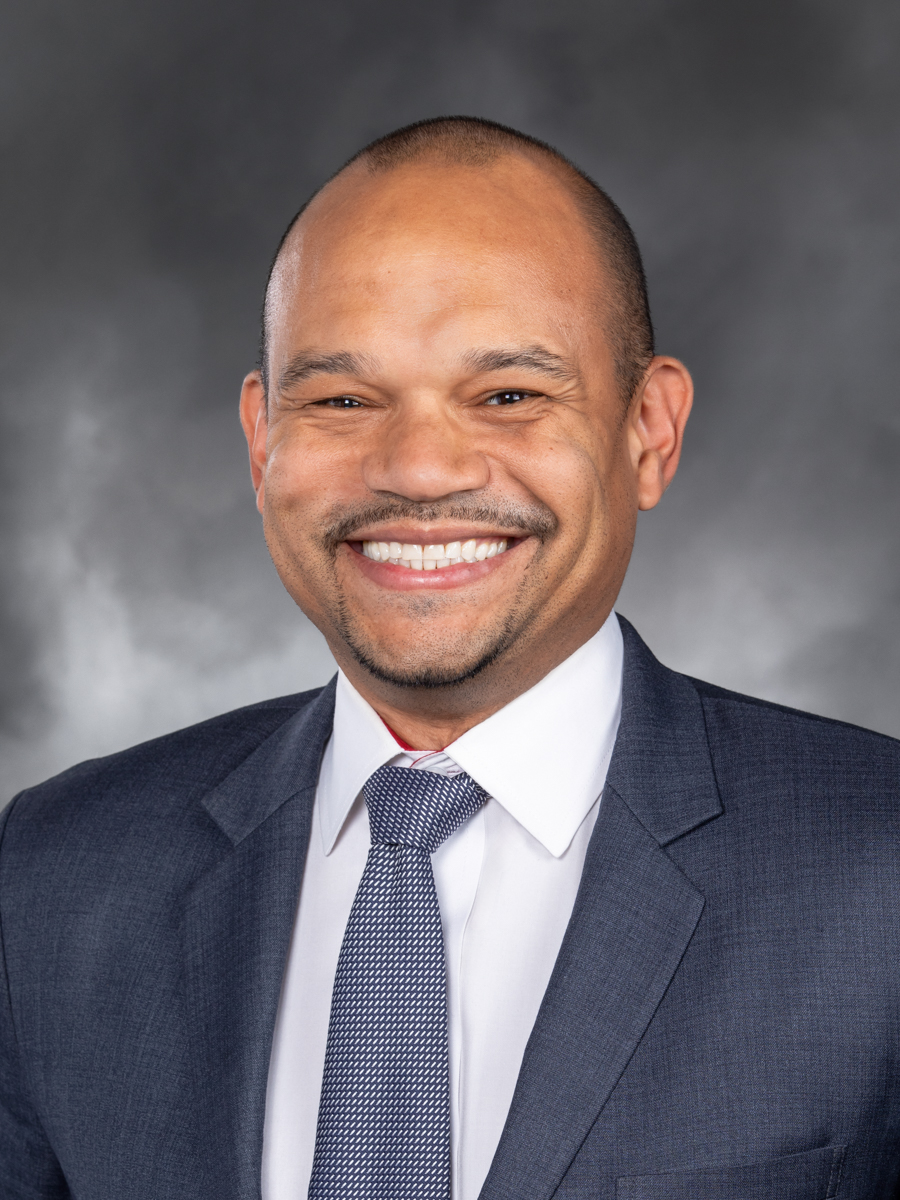
Photo of Chipalo Street
D Washington House · District 37

Rep. Chipalo Street

Compare
Total votes
2,532
all sessions
Attendance
99%
24 missed
Near the chamber average
With party
99%
of cast votes
Higher than 90% of chamber peers
Bipartisan score
0%
crosses aisle rarely
Lower than 92% of chamber peers
Sponsored
370
bills & resolutions
Near the chamber average
Committees
3
assignments
370 bills and resolutions

Sponsored bills

Total
370
Primary
35
Co-sponsor
335
This page
370
matching current filters
Co-sponsor HB 1433
In committee · Washington House · Co-sponsor
Concerning access to psychedelic substances.

Maddy summaryHB 1433 would establish a regulated system in Washington for adults 21+ to access psychedelic substances for therapeutic use under licensed professionals. It directs the Department of Health to license facilitators and service centers, and the Liquor & Cannabis Board to oversee manufacturers and testing, requiring sessions in controlled environments with trained guides. The bill emphasizes reducing costs to improve equity, particularly for historically disadvantaged communities, while explicitly stating it does not require insurance coverage or override federal law. This would create a legal framework for safe, supervised use and research, pending legislative approval.

In committee Jan 12, 2026 1 co-sponsor
Co-sponsor HB 1298
In committee · Washington House · Co-sponsor
Concerning student athlete insurance.

Maddy summaryHB 1298 requires public four-year universities in Washington to provide and pay for insurance coverage for student athletes (both current and former athletes eligible for post-eligibility health care under athletic association rules). This insurance specifically covers athletics-related injuries and illnesses, including emergency evacuation and repatriation costs. The bill mandates that institutions, not students, bear the full cost of this coverage. It directly affects student athletes at public universities participating in intercollegiate sports and their post-eligibility health care access.

In committee Jan 12, 2026 1 co-sponsor
Co-sponsor HB 1200
In committee · Washington House · Co-sponsor
Authorizing payment for parental caregivers of minor children with developmental disabilities.

Maddy summaryThis bill would allow parents to be paid for providing specialized care to their minor children (under 18) with developmental disabilities. It requires the state to seek federal approval to pay parents for "extraordinary care" - defined as care beyond typical parenting duties needed to prevent institutionalization. If approved, parents would qualify for payment under specific rules, including meeting training requirements like other caregivers. The bill applies only to children in certain high-need assessment categories and does not affect existing services for adults or non-disabled individuals.

In committee Jan 12, 2026 1 co-sponsor
Co-sponsor HB 1664
In committee · Washington House · Co-sponsor
Providing sufficient funding for the Washington state long-term care ombuds program.

Maddy summaryHB 1664 requires Washington's long-term care ombuds program to submit annual funding recommendations by September 1 each year. The recommendations must ensure funding achieves a 1:2,000 ombudsman-to-resident ratio (per Institute of Medicine guidelines), account for projected facility bed growth, inflation, and administrative needs. This directly affects residents in licensed long-term care facilities by mandating sufficient resources to investigate complaints and protect their rights. The bill shifts the program from current underfunding to a structured, annually updated funding process.

In committee Jan 12, 2026 1 co-sponsor
Co-sponsor HB 1777
In committee · Washington House · Co-sponsor
Concerning the requirements and process for approving and registering apprenticeship programs.

Maddy summaryHB 1777 streamlines the state approval process for apprenticeship programs that already have federal approval, directly affecting program sponsors (including tribal and nontribal organizations) and employers seeking to expand training opportunities. It requires the apprenticeship council to expedite reviews of federally-approved programs by limiting state-specific scrutiny to unique requirements, while reforming competitor objections: objections must be filed within 30 days of provisional approval, and frivolous objections can trigger penalties like attorney fee payments or $10,000 fines. The bill also mandates annual reports comparing Washington’s program approval rates to federal standards and other states, including details on pending applications and denial reasons. These changes aim to reduce current delays - where 4 of 17 2024 applications remained pending after federal approval - without altering apprenticeship content or creating new training slots.

In committee Jan 12, 2026 1 co-sponsor
Primary HB 1986
In committee · Washington House · Lead sponsor
Concerning the application of taxes to sales of motor vehicles for use in retail car rentals.

Maddy summaryHB 1986 would impose a new 5.9% tax on motor vehicle sales to businesses that use the vehicles for retail car rentals, directly affecting car rental companies purchasing vehicles for their fleets. This tax applies specifically to vehicles bought for rental operations (not individual car sales) and must be paid by the rental company at the time of purchase. Revenue from this tax will fund the state’s multimodal transportation account. The bill amends existing tax law to create this targeted tax, with the rate applying to sales occurring on or after October 1, 2025.

In committee Jan 12, 2026 0 co-sponsors
Co-sponsor HB 1694
In committee · Washington House · Co-sponsor
Concerning revenues from the excise tax on real estate transactions imposed by cities and counties under RCW 82.46.035.

Maddy summaryHB 1694 modifies how Washington cities and counties can use revenues from local real estate transaction taxes (up to 0.25% of sale price). It requires local governments to specify in budgets how these funds finance capital projects like roads, parks, or infrastructure, and mandates that tax revenues must be used solely for those purposes (with limited exceptions for operations until 2023). The bill explicitly allows using funds for homelessness and affordable housing projects through interlocal collaborations, while restricting new spending to 25% of available funds annually (capped at $1 million) for such projects. It also requires documentation of future funding plans for traditional capital projects and temporarily suspends tax authority if local governments fail to comply with reporting rules.

In committee Jan 12, 2026 1 co-sponsor
Co-sponsor HB 1125
In committee · Washington House · Co-sponsor
Providing judicial discretion to modify sentences in the interest of justice.

Maddy summaryHB 1125 allows judges to modify lengthy prison sentences in Washington state when a person's original sentence no longer serves justice. It directly affects incarcerated individuals who meet specific criteria, such as having served 7+ years for an offense committed as a juvenile (starting July 2026), 10+ years for offenses committed as young adults (starting July 2031), or having a terminal illness. The bill requires petitioners to show rehabilitation or low recidivism risk, and courts may only reduce sentences (not increase them), must maintain mandatory minimums, and mandate a 6-month minimum wait after a hearing before release. The law also requires new sentences to include five years of community supervision.

In committee Jan 12, 2026 1 co-sponsor
Primary HB 2019
In committee · Washington House · Lead sponsor
Making the estate tax more progressive.

Maddy summaryHB 2019 increases the estate tax rates for Washington estates valued over $9 million, making the tax more progressive. Starting in 2025, estates exceeding $9 million will face a 38% tax rate (up from 35% under current law), with higher rates applying to larger estates. This directly affects Washington residents inheriting estates above the new thresholds, particularly those with assets exceeding $9 million. The bill adjusts tax brackets to impose higher rates on the largest estates while raising the applicable exclusion amount to $3 million for 2025-2026.

In committee Jan 12, 2026 0 co-sponsors
Co-sponsor HB 1951
In committee · Washington House · Co-sponsor
Concerning regulation of transportation network companies during large-scale events.

Maddy summaryHB 1951 caps fares for transportation network companies (like Uber or Lyft) during large-scale events, limiting charges to 120% of the driver's pay for prearranged rides. It directly affects passengers using these services at events defined as gatherings of 1,000+ people indoors or 10,000+ people outdoors with defined entrances/exits (excluding school or religious events). The bill requires companies to provide fare estimates before rides and prohibits excessive pricing during events, with "driver's pay" defined as base compensation excluding tolls or tips. This policy aims to prevent price gouging during high-demand gatherings while maintaining existing state preemption over local regulations for transportation network companies.

In committee Jan 12, 2026 1 co-sponsor
Showing 141 to 150 of 370 bills
Previous 1 … 14 15 16 … 37 Next