

Maddy summaryHB 1563 establishes a prescribed fire claims fund pilot program in Washington state to provide financial loss coverage for damages resulting from prescribed fires and cultural burning. This program supports non-state and non-federal entities, such as private landowners and cultural fire practitioners, who conduct these burns according to approved plans and permits. The Office of Risk Management will administer the fund, which covers eligible property or economic damages up to $2,000,000 per claim. The intent is to reduce financial uncertainty and encourage the use of prescribed fire for forest health and wildfire prevention. This pilot program is set to expire on June 30, 2033.
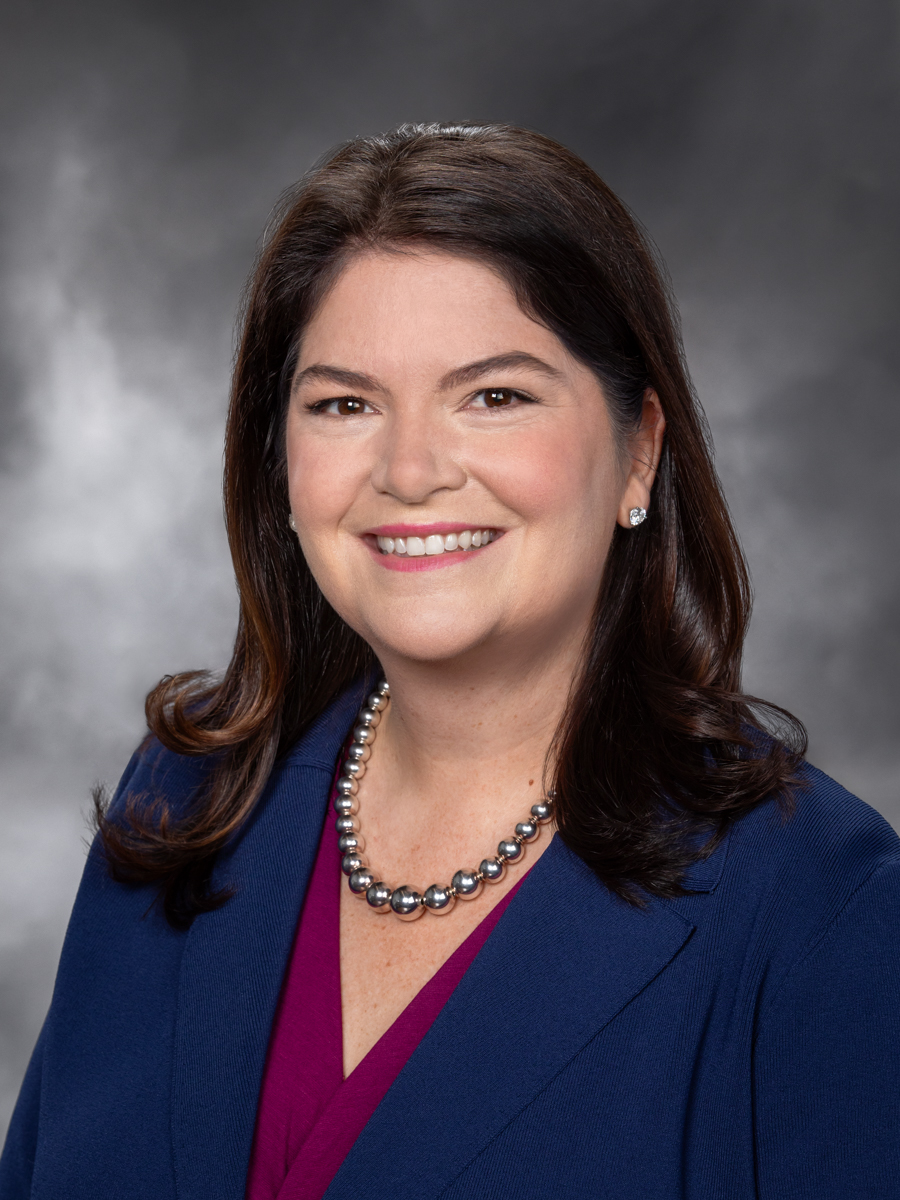
Rep. Liz Berry
Sponsored bills
Maddy summaryHouse Bill 1821 expands the definition of an "interested party" under state prevailing wage laws, which govern the wages and benefits for workers on public construction projects. This change broadens who can be recognized as an interested party. The expanded definition now specifically includes contractors, subcontractors, their employees, organizations representing affected workers, joint labor-management committees, and Taft-Hartley trusts, alongside the director of labor and industries. This measure allows a wider range of groups to participate in matters related to prevailing wage compliance.
Maddy summaryHB 1747 expands protections for job applicants and employees under Washington's Fair Chance Act. The bill prohibits employers from inquiring about an applicant's criminal record until after a conditional offer of employment has been made. It also prevents employers from taking adverse employment action based on arrest records or juvenile conviction records. For adult conviction records, employers must have a legitimate business reason, notify the individual, and provide an opportunity for them to explain or provide additional information before making a decision.
Maddy summaryHouse Bill 1105 exempts certain exclusive bargaining representatives for Department of Corrections (DOC) employees from specific state rules regarding collective bargaining. Specifically, unions representing most DOC employees with interest arbitration rights will no longer be required to participate in coalition bargaining, a process often mandated for smaller unions. Instead, these individual DOC employee unions will directly negotiate one master collective bargaining agreement with the governor or their designee. This change does not apply to exclusive bargaining representatives for marine department employees at the DOC.
Maddy summarySubstitute House Bill 1879 clarifies rules for meal and rest breaks for hospital workers involved in direct patient care or clinical services who are hourly or covered by a collective bargaining agreement. The bill mandates uninterrupted breaks, with exceptions for unforeseeable emergent or clinical circumstances, and allows for combining meal and rest periods by mutual agreement. It also permits employees and employers to voluntarily waive certain meal periods or timing requirements under specific conditions, such as a written, revocable agreement. Hospitals must record missed breaks and submit quarterly reports to the Department of Labor & Industries detailing missed, waived, and required breaks. This act takes effect on January 1, 2026.
Maddy summaryHB 1524 establishes new workplace standards for employers of "isolated employees" in Washington state, specifically those in hotel, motel, retail, security guard, and property services industries. The bill requires these employers to adopt sexual harassment policies and provide mandatory training to managers, supervisors, and isolated employees on preventing harassment and discrimination. Employers must also provide panic buttons to isolated employees, allowing them to summon immediate assistance. The Department of Labor and Industries is responsible for investigating violations and can issue civil penalties for non-compliance.
Maddy summaryHouse Bill 1275 grants the Department of Labor & Industries new authority to ensure workers' compensation payments are made when a self-insured employer's certification is withdrawn. This applies to self-insured groups, counties, cities, and other municipal employers. Under the bill, if an employer's self-insurer status is terminated, the department will step in to pay compensation to affected workers. The decertified employer is then required to reimburse the department for these payments through a schedule determined by the director, who will also adopt rules for implementing these financial obligations.
Maddy summaryHB 1549 modifies the criteria companies must meet to be considered a "responsible bidder" for public works projects in Washington state. It removes an exemption for experienced bidders from the requirement to complete training on public works and prevailing wage laws. Additionally, for projects requiring apprentice utilization, bidders must now submit an apprentice utilization plan to the awarding agency before work begins. The Department of Labor and Industries will create a template for this plan, publish completed plans, and maintain records of individuals who have completed the required training.
Maddy summaryHB 1112 removes the requirement that judges pro tempore (temporary judges) in municipal courts must reside in the city where the court operates. It specifically applies to cities with populations exceeding 400,000 people, directly affecting judges appointed to fill temporary court vacancies in those jurisdictions. The bill amends state law to state that judges pro tempore "need not be a resident of the city" while maintaining other qualifications like being a licensed attorney and state elector. This change takes effect July 27, 2025, after the bill was signed by the Governor on April 11, 2025.
Maddy summaryThis resolution (HR 4658) expresses the Washington State House of Representatives' appreciation for existing ties between Washington and Denmark. It acknowledges strong economic partnerships (including Maersk shipping and 3,000 Danish jobs), educational exchanges (University of Washington collaborations), cultural connections (Danish artists and festivals), and scientific research (Arctic climate studies). The resolution does not create new laws or obligations but formally reiterates support for strengthening these ongoing relationships. It was adopted unanimously on April 8, 2025, as a symbolic gesture of endorsement.