

Maddy summaryHB 1328 establishes a Clean Energy Development Office within the Department of Commerce to accelerate clean energy project and transmission facility development in Washington. The bill directly affects clean energy developers, tribes, local governments, and communities hosting projects by creating a centralized resource to address barriers like information gaps, zoning uncertainty, and inadequate community engagement. Key mechanisms include developing public geospatial tools for project siting, providing technology and regulatory information, supporting tribal-led projects, and creating templates for community benefits agreements. The office will proactively coordinate state efforts to meet climate goals while ensuring environmental protection and equitable benefits for host communities.
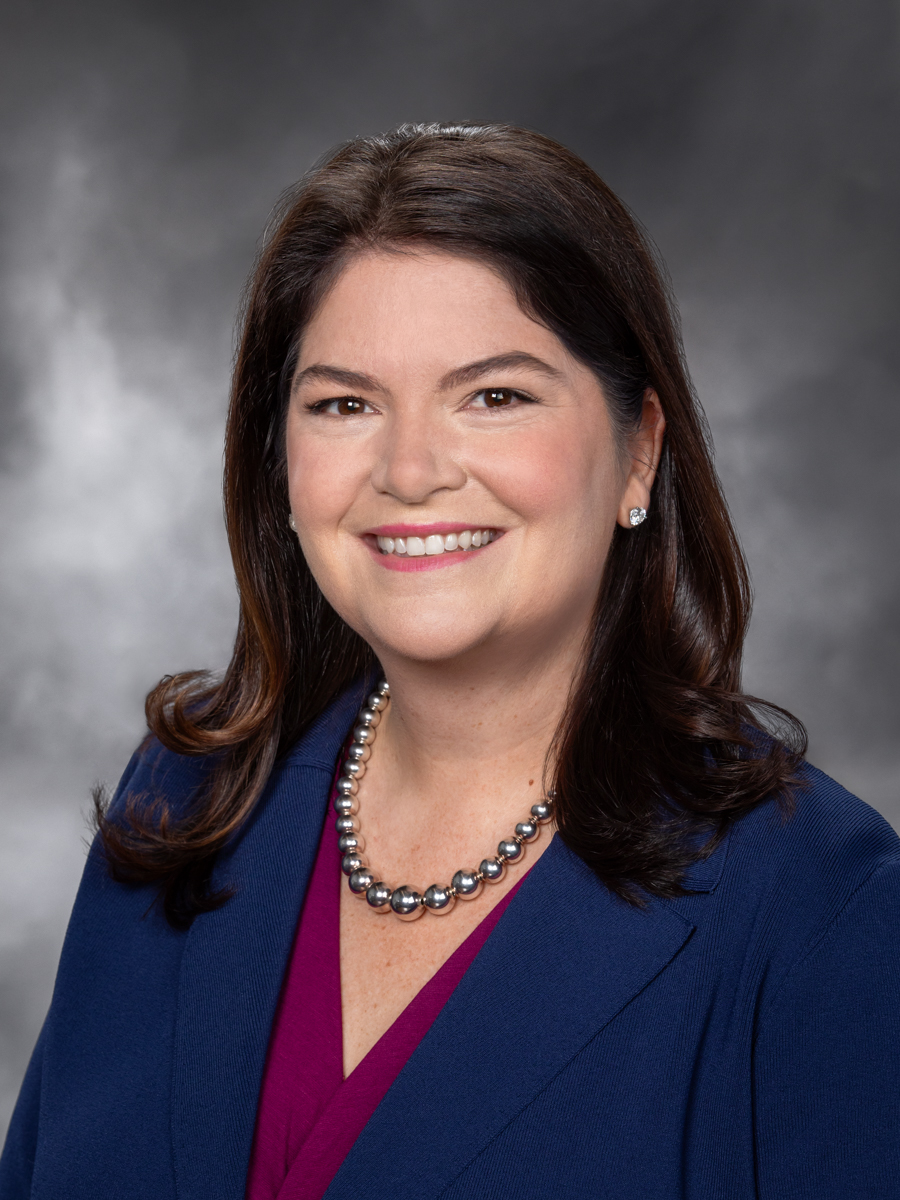
Rep. Liz Berry
Sponsored bills
Maddy summaryThis bill lowers Washington's legal blood alcohol limit for DUI convictions from 0.08 to 0.05 within two hours of driving, and sets a THC concentration threshold of 5.00 or higher for cannabis impairment. It applies to all drivers operating vehicles in the state, directly affecting anyone found driving under the influence of alcohol, cannabis, or drugs. The bill creates new defenses allowing defendants to prove they consumed alcohol or cannabis *after* driving but *before* testing, if they notify prosecutors early. It also adjusts penalties, making certain repeat offenses or severe cases (like vehicular homicide) punishable as class B felonies.
Maddy summaryHB 1901 requires mattress manufacturers and importers to fund recycling programs to reduce landfill waste. It creates a system where producers pay for collection, recycling, and proper disposal of mattresses, directly affecting companies selling mattresses in Washington. The bill mandates "environmentally sound" recycling practices, prioritizing reuse and recycling over landfill disposal, and establishes producer responsibility organizations to manage these programs. This aims to cut illegal dumping, create recycling jobs, and capture materials like metal and foam for reuse, reducing landfill costs and emissions.
Maddy summaryHB 1303 requires Washington state agencies to formally consider environmental justice in government decisions affecting communities disproportionately burdened by pollution. It mandates the Department of Ecology to add environmental justice as a standard element in environmental checklists and rules, and to develop standardized mitigation measures for adverse impacts on these communities. The bill directly affects lead agencies (like state departments) conducting environmental reviews under Chapter 43.21C RCW, requiring them to integrate environmental justice considerations alongside other environmental factors. This builds on existing environmental justice law (RCW 70A.02) without changing its core requirements. The policy change ensures agencies systematically address health and environmental disparities in their decision-making processes.
Maddy summaryHB 1049 creates a state-funded stipend program to help registered nurses cover costs for training as specialized sexual assault nurse examiners (SANEs). The program reimburses up to $2,500 per nurse for training fees, materials, travel, lodging, and meals. It applies to nurses seeking certification for adult/adolescent or pediatric care, subject to available state funding. The stipend aims to increase the number of qualified SANEs by reducing financial barriers to training.
Maddy summaryHB 1756 sets a limit of 5 parts per million for lead in cookware and cookware components that touch food, effective January 1, 2026. It applies to manufacturers, retailers, and wholesalers selling cookware in Washington, prohibiting products exceeding this lead level. The law exempts secondhand sales (like casual or nonprofit transactions) and includes definitions for terms like "cookware" (e.g., pots, pans, utensils) and "vulnerable populations." After 2034, the Department of Ecology may lower the limit if feasible and necessary for health protection. This directly affects cookware producers and sellers while prioritizing safety for consumers, especially those in vulnerable groups.
Maddy summaryHB 2083 proposes to update Washington's tax code by expanding the retail sales tax to include select services and new nicotine products, and by requiring a one-time prepayment of state sales tax collection from certain large businesses. The bill specifically extends retail sales tax to computer-related services and removes exemptions for digital automated services. It also aims to apply existing taxes on tobacco products to new and emerging nicotine products that are currently exempt. The legislation states its intent to generate revenue for public schools, health care, and social services.
Maddy summaryHB 1732 limits large investment and business entities from purchasing additional single-family homes in Washington to increase housing affordability for residents. It prohibits entities owning more than 25 single-family homes (business entities) or any investment entity (like real estate trusts managing pooled investor funds) from buying more homes, with exemptions for nonprofits, necessary renovations, or short-term development projects. Violators face civil penalties up to $100,000 per violation and must sell the property to a third party within one year. The law aims to address Washington’s housing crisis, where investor ownership has risen significantly while home prices have surged 55% since 2018. It adds these provisions as a new chapter in Washington’s consumer protection law (Title 19 RCW).
Maddy summaryHouse Bill 1402 makes it an unfair practice for Washington state employers to include a driver's license requirement in job advertisements or applications unless the position's core functions genuinely necessitate operating a motor vehicle. This bill clarifies that transportation to and from the job site does not constitute a job function requiring a driver's license. Individuals harmed by a violation can pursue civil action to stop the practice and recover damages and attorney's fees.
Maddy summaryHouse Bill 1822 establishes a new requirement for certain driver's license applicants in Washington state. It mandates that individuals under the age of 26 applying for their first driver's license must successfully complete an online course focused on driver safety in work zones and around first responders. The Department of Licensing is tasked with contracting for and providing this online course at no cost for Washington residents between 15 and 25 years old. This safety course also becomes a necessary step for obtaining an intermediate driver's license.