

Maddy summaryHB 2090 directs Washington’s Department of Commerce to develop a strategic framework for integrating advanced nuclear energy into the state’s clean energy goals. The plan, due by December 2026, would assess how nuclear power could help meet Washington’s targets for 100% clean electricity by 2045, including evaluating siting, permitting, financing, and workforce needs - particularly at former coal sites or the Hanford area. It would examine opportunities for state collaboration with other regions and recommend policies like expediting permits or financial incentives to support nuclear development. The bill does not fund nuclear projects but requires the state to explore nuclear as a potential pathway to replace current fossil fuel generation and achieve decarbonization goals more efficiently.
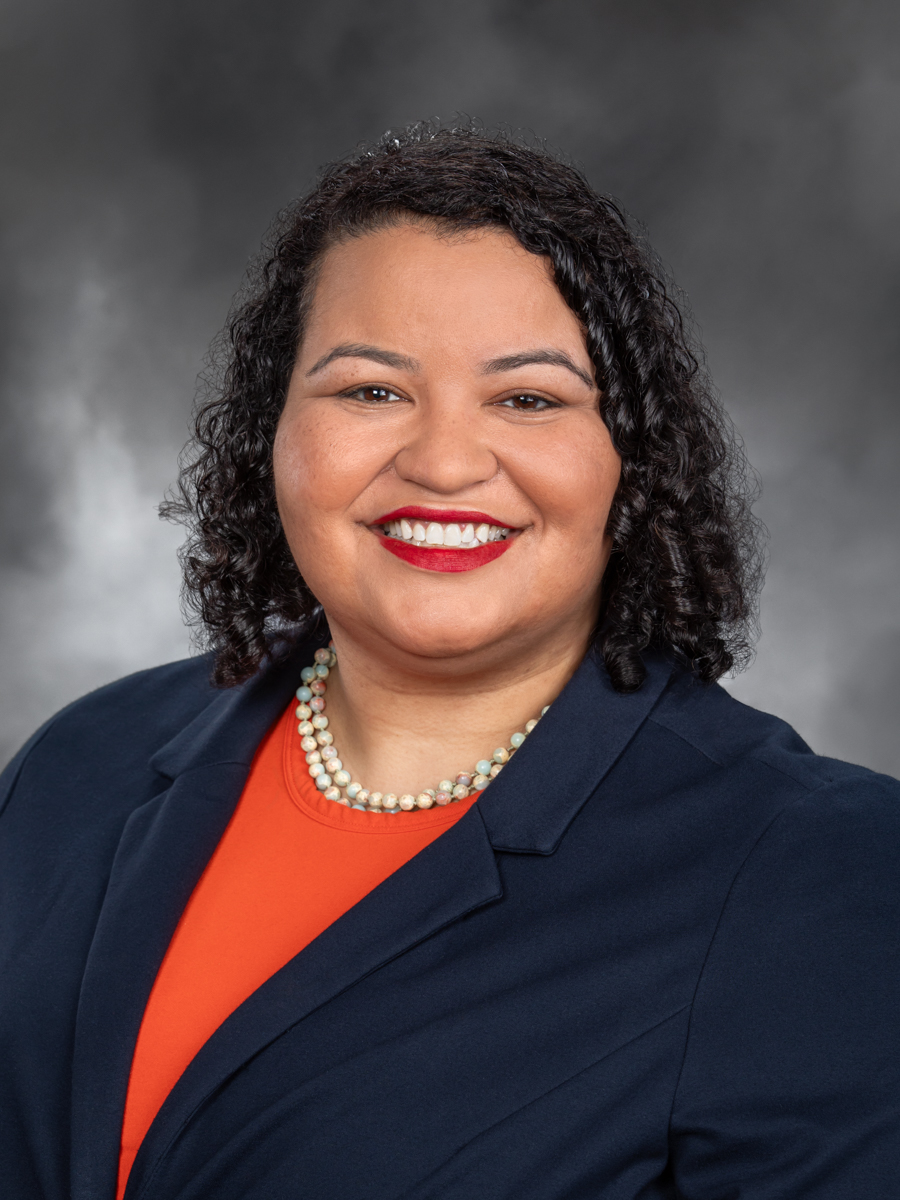
Rep. Julia Reed
Sponsored bills
Maddy summaryHB 2312 authorizes Washington state employees to take unpaid "shared leave" when they or a covered family member face immigration enforcement actions like detention, court appearances, or deportation proceedings. It defines "family member" broadly to include household members relying on the employee for care, and requires employers to protect immigration status details when verifying leave. Employees can provide documentation from advocates/attorneys or a written statement without revealing sensitive information, and employers must redact any immigration data in verification. This leave is only available after employees exhaust other leave options, and it applies to state employees covered under existing shared leave policies.
Maddy summaryHB 2321 requires 3D printer manufacturers and sellers in Washington state to equip all new printers with software that automatically blocks print jobs for firearms or illegal firearm parts, effective July 1, 2027. The law mandates that printers use a "firearms blueprint detection algorithm" to identify and reject files containing firearm designs before printing, meeting specific technical standards to prevent bypassing. Manufacturers must attest under penalty of perjury that their printers comply, with penalties including misdemeanors for first offenses and class C felonies for repeat violations or corporate breaches. This directly affects 3D printer companies operating in Washington, aiming to prevent unlawful firearm manufacturing through technical safeguards.
Maddy summaryHB 2359 modifies Washington state law to change how a 0.1% sales tax revenue can be used for affordable housing and related services. It requires at least 60% of the funds to be spent on building or maintaining housing for low-income residents (at or below 60% of county median income), including veterans, the homeless, and people with disabilities, or on behavioral health facilities. The bill also mandates that 15% of new housing units must be reserved for people living near the facility, and allows local governments to use bonds and interlocal agreements to finance these projects. This law affects counties and cities that impose the tax, directing funds toward specific housing and services while ensuring community-focused allocation.
Maddy summaryHB 2390 requires contractors working on large public projects involving windows, skylights, or similar fenestration products to meet specific certification standards. It applies to new construction projects over $25 million and other work over $5 million, starting January 1, 2028. Contractors must hold a national glazing contractor certification and employ certified technicians, with a requirement for at least 25% of fenestration workers to be certified by 2029. Documentation of compliance must be submitted with bids and is a condition for contract award and payment. This bill directly affects contractors bidding on qualifying public works projects in Washington state.
Maddy summaryHB 2328 requires all public school districts in Washington to create and maintain standardized school maps as part of their safe school plans. These maps must be updated annually, include site-specific details for emergency response, and be shared with local and state first responders. The bill directly affects school districts, which must now integrate these maps into their safety planning to ensure compatibility with emergency systems and protect sensitive data. This addresses longstanding issues where outdated or inconsistent mapping hindered emergency coordination, as noted in a 2019 legislative study. The policy aims to improve real-time response during emergencies by providing accurate, accessible facility information to first responders.
Maddy summaryHB 2346 establishes a state-approved performance-based building code pathway for "middle housing" in Washington, defined as residential buildings with 1 to 24 units (e.g., duplexes, townhomes). Instead of requiring specific construction methods, the bill directs the State Building Code Council to create measurable performance standards for safety, durability, and energy efficiency, allowing builders to demonstrate compliance through engineering analysis or third-party certification. This aims to reduce permitting delays, lower housing costs, and support industrialized construction by enabling reusable designs across jurisdictions. The bill directly affects developers, manufacturers, local governments, and housing providers by streamlining approvals for middle housing projects.
Maddy summaryHB 2366 raises the daily compensation for Washington school board members from $50 to $100 (capping annual pay at $13,750, with excess pay over $3,000 requiring specific board approval). It requires school districts to cover training costs for board members on funding and finance, mandating all current and new directors to complete this training within one year of their term. The bill also establishes automatic annual cost-of-living adjustments for compensation based on the consumer price index. School districts must fund these changes using local tax revenue, and the training program provisions depend on specific budget appropriations by June 2026.
Maddy summaryHB 2358 requires counties to consider critical aquifer recharge areas (areas that replenish groundwater) when revising urban growth areas (UGAs), which are designated zones for future development. This directly affects counties and cities with UGAs needing boundary revisions under Washington's growth management laws. The key provision mandates that any expansion of UGAs must avoid encroaching on critical aquifer recharge zones, protecting groundwater sources from development pressure. Counties must ensure revisions comply with this requirement during their scheduled plan reviews.
Maddy summaryHB 2371 transfers Washington's Imagination Library program from the Department of Children, Youth, and Families to the Office of the Superintendent of Public Instruction. The bill requires the superintendent to select a Washington-based nonprofit organization to manage the program, which provides free monthly books to children from birth through age five. The nonprofit would cover 50% of book costs while local affiliate programs cover the remaining costs, with no new state funds mandated. The program will continue partnering with a national nonprofit foundation for book distribution. This is an administrative transfer, not a policy change creating new benefits or funding.