

Maddy summaryHB 1487 establishes guaranteed annual state funding levels for crime victim services in Washington, starting at $50 million annually for 2025-2027 and increasing to $70 million annually by 2033. It requires the state legislature to appropriate funds each year that, combined with prior-year federal Victims of Crime Act (VICA) funding, meet these specific annual totals. The bill ensures state funds supplement, rather than replace, existing federal or other funding sources and prohibits using these funds for capital projects. It directly affects victim services programs in every Washington county, which provide trauma-informed, culturally relevant support to crime victims. The Office of Crime Victims Advocacy must submit periodic reports on service needs and funding recommendations starting in 2039.
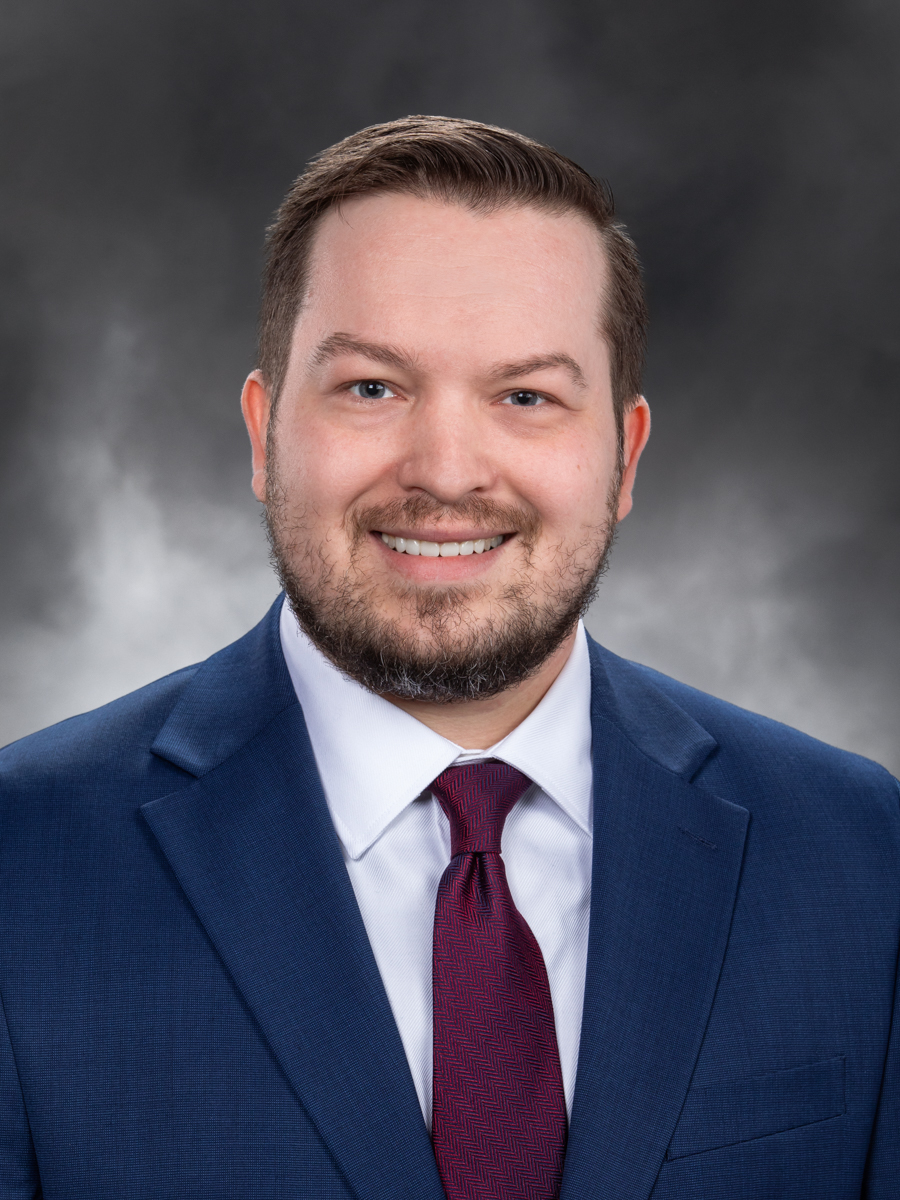
Rep. Travis Couture
Sponsored bills
Maddy summaryHouse Bill 1349 concerns how members of certain public pension systems, such as law enforcement and firefighters, can earn or purchase service credit for authorized leaves of absence. It clarifies that members on paid leave continue to receive credit and allows members on unpaid leave, including part-time leave for law enforcement, to purchase up to two years of service credit by making required contributions within specific timeframes. The bill also details provisions for members who take leave for uniformed military service, enabling them to receive up to five years of service credit, with specific conditions for contributions or proof of wartime service, and extends these provisions to surviving spouses or children of members who die in service.
Maddy summaryHB 1255 requires counties and cities to adopt local ordinances banning camping on public property within 500 feet of schools, parks, courthouses, and other specified areas (like zones with recent violent incidents or water contamination risks) by May 2027. Jurisdictions that adopt these ordinances become eligible for state funding to support encampment removal efforts, while non-compliant areas face annual funding reductions. The bill defines "camp" broadly to include tents, shelters, and related equipment, excluding designated recreational camping areas. Compliance requires annual reports and certifications to the Department of Commerce, with funding tied directly to adherence to the ordinance requirements.
Maddy summaryHB 2065 requires Washington's public colleges and universities to reduce administrative staffing to 2008 levels by June 30, 2025, directly affecting all state institutions of higher education. The bill mandates each institution calculate reductions based on its 2008 administrative-to-student ratio, resulting in specific cuts (e.g., UW must reduce 2,381 administrative staff equivalents). This will lower state appropriations for fiscal year 2026 by millions of dollars (e.g., $17.6 million for UW), with anticipated tuition savings for students. The goal is to make higher education more affordable by aligning administrative costs with educational mission, without altering academic programs.
Maddy summaryHB 1584 would end automatic mail-in voting for nonabsentee voters (those not absent from their county, such as most registered voters) in Washington, requiring them to vote in person at polling places or voting centers on election day. The bill maintains limited absentee voting for voters who are absent (e.g., military personnel or overseas citizens) but removes mail-in ballots as the default option for all registered voters. It aims to address ballot security concerns and restore public trust in elections, as stated in the legislature’s findings. The bill amends multiple election laws to implement these changes, including updating voting definitions and ensuring accessibility for voters with disabilities at in-person locations.
Maddy summaryHB 1085 strengthens school safety by increasing penalties for interference with school activities through force or violence, and for threatening intimidation, specifically targeting disruptions at athletic events. It requires schools to post clear signage at entrances and athletic fields explaining these penalties, including fines up to $1,000 or jail time for adults, and exclusion from school or events for 12-18 months. The bill directly affects students, athletes, spectators, and school staff (including athletic officials and volunteers), expanding protections previously limited to general school settings to cover extracurricular sports. These changes aim to prevent escalation of harmful behavior by making consequences explicit and enforceable.
Maddy summaryHB 1741 requires most Washington health insurance plans (excluding public employee plans) to cover intravenous immunoglobulin (IVIG) therapy for children diagnosed with PANDAS (pediatric autoimmune neuropsychiatric disorders associated with streptococcal infections) or PANS (pediatric acute-onset neuropsychiatric syndrome). Plans must cover three initial monthly IVIG treatments plus additional courses as medically necessary, but only after two or more less intensive treatments have been tried without success (e.g., ineffective, intolerable, or failing to improve symptoms). A pediatric subspecialist consultation is mandatory, and patients must be reevaluated every three months. The law applies to health plans renewed on or after January 1, 2026.
Maddy summaryHB 1324 redirects revenues from Washington's Climate Commitment Act (CCA) auction system to fund major state transportation projects, including the I-5 Columbia River bridge replacement and the US 395 North Spokane corridor. The bill amends existing law to require that CCA auction proceeds - previously restricted from road projects - be allocated specifically to highway and bridge infrastructure, rather than solely to climate or environmental programs. Key provisions mandate that funds support projects improving freight movement (like the Gateway freight project) and reducing congestion, which the bill states contributes to lower greenhouse gas emissions. This reallocation changes how CCA revenue is spent but does not alter the underlying auction system or funding amounts.
Maddy summaryHB 2063 adjusts tuition waiver eligibility for students finishing high school at Washington community and technical colleges. It requires full tuition waivers for children and surviving spouses of fallen or totally disabled law enforcement officers, firefighters, or state patrol officers (if enrolling within 10 years of high school graduation), and allows partial waivers for non-resident students aged 19-20 completing high school. The bill also specifies that waivers for high school completers must cover only courses leading to a diploma or certificate. Colleges must report waiver costs annually to the state board, which then shares the data with legislative committees. This directly affects low-income high school completers, first responder families, and non-resident students seeking diplomas.
Maddy summaryHB 1087 expands Washington's "endangerment with a controlled substance" law to include fentanyl and other high-potency synthetic opioids, in addition to methamphetamine. It directly affects individuals who knowingly expose dependent children or adults to these substances. The bill amends the law to specifically list fentanyl (and its salts/isomers) and other defined high-potency synthetic opioids as covered substances, making such exposure a class B felony. This change explicitly excludes cases where substances are administered under a valid prescription, as outlined in chapter 69.50 RCW.