

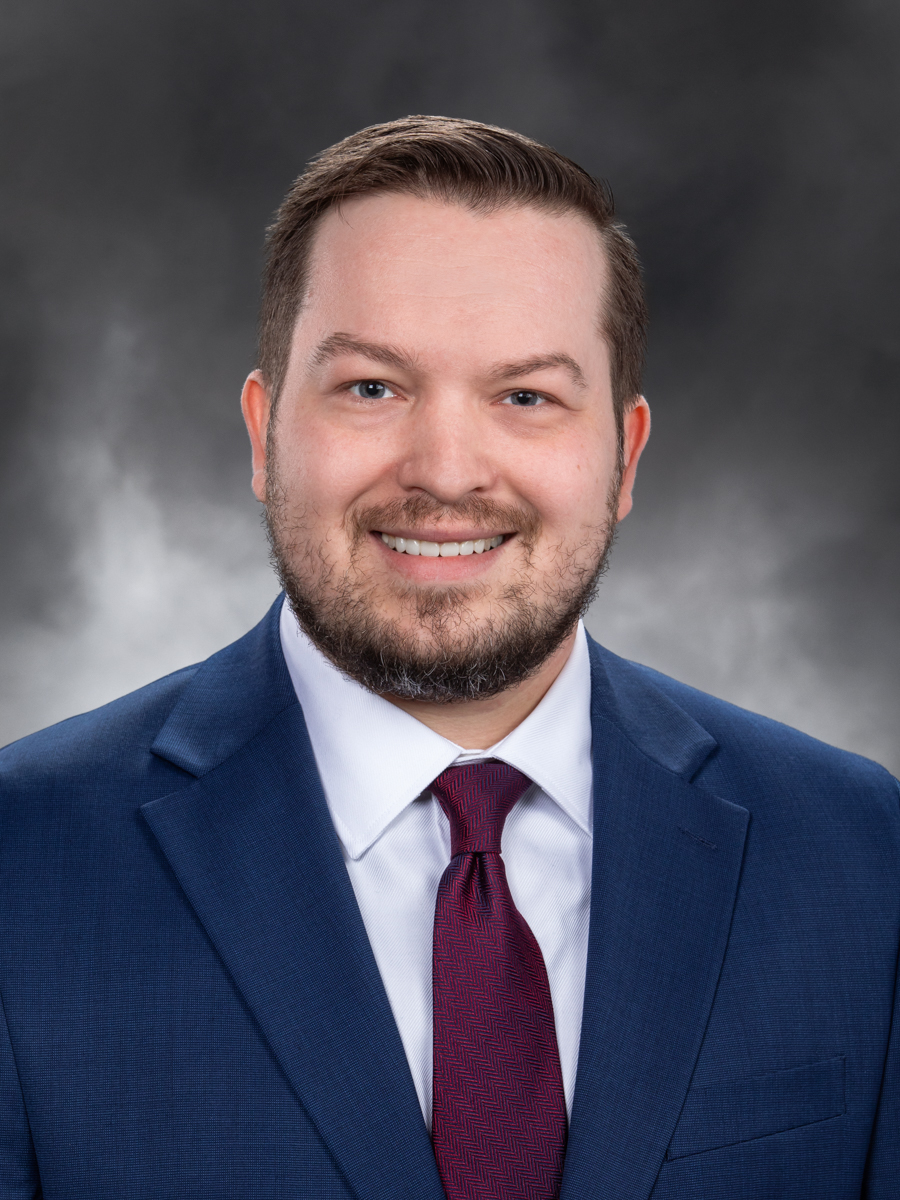
Photo of Travis Couture
R Washington House · District 35 On the 2026 ballot

Rep. Travis Couture

Compare
Total votes
2,532
all sessions
Attendance
100%
7 missed
Near the chamber average
With party
95%
of cast votes
Near the chamber average
Bipartisan score
2%
crosses aisle rarely
Near the chamber average
Sponsored
386
bills & resolutions
Near the chamber average
Committees
4
assignments
386 bills and resolutions

Sponsored bills

Total
386
Primary
65
Co-sponsor
321
This page
386
matching current filters
Co-sponsor HB 1257
In committee · Washington House · Co-sponsor
Extending special education services to students with disabilities until the end of the school year in which the student turns 22.

Maddy summaryHB 1257 extends special education services for students with disabilities until the end of the school year in which they turn 22, instead of ending at age 21. This change directly affects students with disabilities aged 16-22 who require transition planning to move from school to postsecondary life. The bill amends state education statutes to align with a federal court ruling finding Washington’s prior policy violated the Individuals with Disabilities Education Act. It also requires state agencies to update transition planning by October 2026, ensuring services supplement rather than replace other support programs.

In committee Jan 12, 2026 1 co-sponsor
Primary HB 1247
In committee · Washington House · Lead sponsor
Concerning placement of individuals in juvenile rehabilitation institutions.

Maddy summaryHB 1247 limits the placement of individuals convicted as adults for crimes committed before age 18 in juvenile rehabilitation facilities to those under age 21. It requires that if an individual’s earned release date is before their 21st birthday, they must be transferred to the Department of Children, Youth, and Families (DCYF) until age 21 or sentence completion, rather than remaining in adult corrections. The bill mandates DCYF to review placements for those over 21 in juvenile facilities before age 23 and ensures they receive the same treatment as other juvenile offenders. It also specifies housing requirements, requiring separation from adult inmates until age 18 (with possible extensions to age 21 under certain conditions) and defines eligibility for community transition services after 60% of sentence served.

In committee Jan 12, 2026 0 co-sponsors
Co-sponsor HB 1637
In committee · Washington House · Co-sponsor
Concerning nonfirearm measures to increase school safety for students and staff.

Maddy summaryHB 1637 requires Washington public schools to implement nonfirearm safety measures, directly affecting all public schools and school districts in the state. Key provisions include creating a public school safety dashboard to track and rate incidents by severity (e.g., bullying, violence), establishing security grants for physical improvements like keycard access and panic buttons, and mandating a full-time school resource officer at every public school. The bill also requires an evaluation of prior school safety reforms enacted in 2019. These changes aim to improve transparency, fund physical security upgrades, and ensure consistent safety staffing to address reported safety concerns among students and staff.

In committee Jan 12, 2026 1 co-sponsor
Primary HB 1246
In committee · Washington House · Lead sponsor
Concerning juvenile justice.

Maddy summaryHB 1246 updates Washington's juvenile justice process by changing how prosecutors handle cases involving minors. It requires prosecutors to divert first-time misdemeanor offenses and specific cases (like first-time voyeurism for minors or certain sexual offenses) to community programs instead of filing formal charges, while mandating charges for serious offenses (e.g., sex or violent crimes) or repeat offenses. The bill also adds requirements for notifying parents and victims, expands access to counseling and restorative programs, and encourages partnerships with community organizations to divert youth from court. This directly affects juveniles, prosecutors, and community-based service providers by shifting focus toward rehabilitation over prosecution for eligible cases.

In committee Jan 12, 2026 0 co-sponsors
Co-sponsor HB 1221
In committee · Washington House · Co-sponsor
Increasing legislative involvement in gubernatorial proclamations relating to a state of emergency.

Maddy summaryHB 1221 changes how Washington's state of emergency declarations end. It requires that any emergency proclamation automatically terminate 60 days after the governor signs it unless the legislature passes a concurrent resolution extending it. If the legislature isn't in session, only the top four legislative leaders (senate majority/minority leaders and house speaker/minority leader) can temporarily extend the emergency for up to 60 days until the legislature acts. The bill also prevents the governor from redeclaring the same emergency after it's terminated without legislative approval. This directly affects governors' emergency powers and requires legislative action to maintain long-term emergency declarations.

In committee Jan 12, 2026 1 co-sponsor
Co-sponsor HB 1929
In committee · Washington House · Co-sponsor
Requiring senate confirmation of gubernatorial appointments to vacancies on the court of appeals.

Maddy summaryHB 1929 requires Washington's Senate to confirm the governor's appointments to vacancies on the Court of Appeals. It mandates a two-thirds Senate vote for confirmation, with specific deadlines for votes during legislative sessions or the next session if the legislature is adjourned. This directly affects the governor (who makes appointments), the Senate (which must confirm), and Court of Appeals judges (who fill vacancies until the next general election). The bill also prohibits reappointing rejected candidates for two years and clarifies that this process does not apply to other judicial vacancies covered by separate law.

In committee Jan 12, 2026 1 co-sponsor
Co-sponsor HB 1051
In committee · Washington House · Co-sponsor
Permitting the recording of individualized education program team meetings.

Maddy summaryHB 1051 allows parents or guardians to audio-record their child's individualized education program (IEP) team meetings without needing consent from other meeting attendees. This directly affects families with students in special education programs, granting them a specific right to record these meetings under state law. The bill amends Washington’s general recording law (RCW 9.73.030) to explicitly exempt parent-recorded IEP meetings from the requirement of obtaining all-party consent. Other recording scenarios, such as school staff or third parties recording meetings, would still require all-party consent as per existing law. The bill is currently pending in the House Education Committee.

In committee Jan 12, 2026 1 co-sponsor
Co-sponsor HB 1586
In committee · Washington House · Co-sponsor
Modifying joint administrative rules review committee provisions.

Maddy summaryHB 1586 modifies Washington's joint administrative rules review committee structure and expands how agency rules can be reviewed. It requires the committee to hold quarterly meetings and specifies its composition (four senators, four representatives, max two per party). The bill creates two new review pathways: (1) allowing petitions for review of emergency rules or rules lacking adequate public input (e.g., insufficient testimony time or short hearing notice), and (2) enabling legislators to request review of any rule filed under state rulemaking rules or emergency rules adopted in the past five years. These changes directly affect state agencies creating rules and the legislative committee responsible for oversight.

In committee Jan 12, 2026 1 co-sponsor
Co-sponsor HB 1678
In committee · Washington House · Co-sponsor
Providing funding for enhanced wastewater treatment infrastructure for salmon recovery.

Maddy summaryHB 1678 imposes a 10-cent fee per gallon on municipal wastewater treatment plants and combined sewer systems discharging untreated sewage into Puget Sound or connected waterways. The funds collected will be deposited into a dedicated account to provide grants for municipalities to upgrade infrastructure that removes excess nutrients from discharges. This aims to improve water quality by reducing nutrient pollution that harms salmon habitats and causes low-oxygen conditions in Puget Sound. The bill directly affects municipal wastewater systems within the Puget Sound watershed and requires annual reporting on untreated sewage discharges.

In committee Jan 12, 2026 1 co-sponsor
Co-sponsor HB 1954
In committee · Washington House · Co-sponsor
Establishing criminal and civil penalties for destruction of critical communications infrastructure.

Maddy summaryHB 1954 adds "destruction of critical communications infrastructure" (such as cell towers or fiber networks) to Washington's existing criminal profiteering law, creating new criminal and civil penalties for intentionally damaging such infrastructure. The bill expands the definition of criminal profiteering to include this specific act, which was previously not explicitly covered under the law. This directly affects individuals or groups who intentionally destroy or damage critical communication systems, including those that support emergency services or public safety. Penalties include criminal prosecution and civil lawsuits for damages caused by the destruction.

In committee Jan 12, 2026 1 co-sponsor
Showing 71 to 80 of 386 bills
Previous 1 7 8 9 39 Next