

Maddy summaryHB 2091 requires public employers covered under chapter 41.80 RCW (specifically Western Washington University, Central Washington University, Eastern Washington University, and The Evergreen State College) to provide employee information to exclusive bargaining representatives. The bill amends RCW 41.80.075 to expand the list of covered employers to include these four public universities. This means union representatives at these institutions would gain access to employee data previously not required to be shared under the existing law. The change directly affects these universities' labor relations by mandating information sharing with their recognized employee unions.
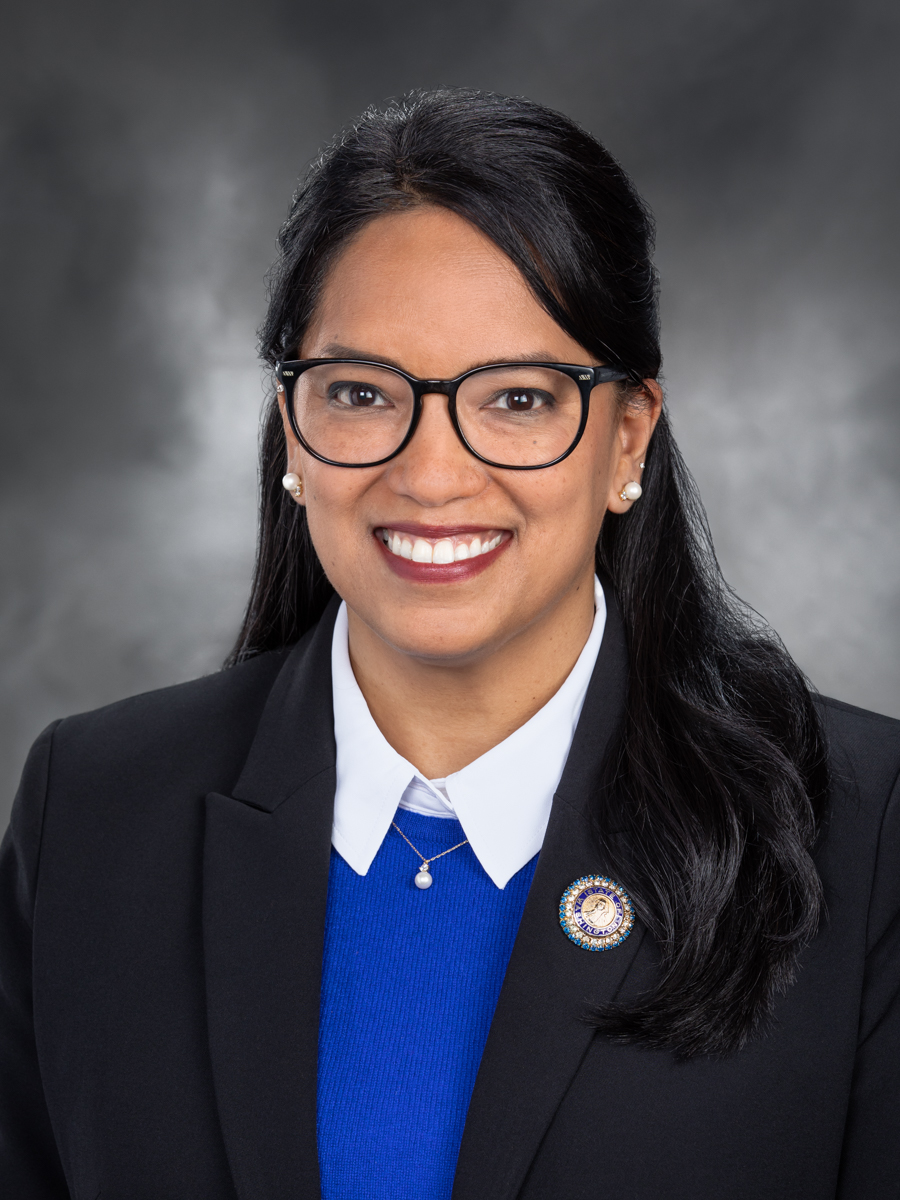
Rep. Kristine Reeves
Sponsored bills
Maddy summaryHB 1069 amends Washington state law to allow collective bargaining between public employers and employee organizations regarding contributions for certain supplemental retirement benefits. Currently, state law prevents bargaining over retirement plans and benefits administered by the Department of Retirement Systems. This bill clarifies that employers can now negotiate over contributions for additional retirement benefits, including medical plans, as long as these benefits are administered by or on behalf of an employee organization. This change enables discussions over these specific benefit contributions, while still excluding the core state retirement plans from collective bargaining.
Maddy summaryHB 2523 establishes a community reinvestment program to address racial, economic, and social disparities stemming from historical drug laws in Washington. It requires annual state funding of at least $100 million distributed equally across five key areas: economic development (including small business support), legal assistance (like record expungement), violence prevention services, reentry programs for formerly incarcerated individuals, and agricultural support for marginalized communities. The bill mandates that funds be distributed through "by and for community organizations" serving Black, Latino, Native American, Asian, Native Hawaiian, and Pacific Islander communities, with updated planning every five years to prioritize underserved populations and geographic equity. This legislation directly affects communities historically impacted by punitive drug policies and aims to create long-term economic benefits through community-led initiatives.
Maddy summaryHB 2089 modifies Washington's tax code to redirect revenue from a business tax preference for "community banks" toward wildfire response funding. It updates the definition of "community bank" from "operating in ten or fewer states" to align with the federal standard ($10 billion or less in assets), reversing a 2012 policy that allowed 65% of tax savings ($91.6 million in 2023) to flow to non-community banks. Starting November 2027, the state will transfer annual revenue gains from this tax change directly into the wildfire response account, which funds forest restoration and community resilience. This bill directly affects financial institutions previously qualifying under the outdated definition, while ensuring funds support wildfire mitigation as mandated by the 2021 wildfire response account.
Maddy summaryHB 2178 updates Washington state court rules and procedures for civil infractions (noncriminal violations like traffic tickets). It expands the definition of "physical damage" to include digital records and computer systems, and clarifies requirements for civil infraction notices, including mandatory content about penalties and response deadlines. The bill sets specific monetary penalties for different classes of infractions (e.g., up to $500 for certain littering or firearm violations) and details how courts must handle payment plans or collection. These changes directly affect courts, enforcement officers issuing notices, and individuals cited for civil infractions.
Maddy summaryHB 1128 creates a Washington state Child Care Workforce Standards Board to set minimum compensation and employment standards for child care workers. The board, composed of nine members including worker representatives (from family child care, center workers, and school-age programs), employer representatives, parent advocates, and state agency officials, will address low pay and poor working conditions that contribute to workforce instability. It requires the board to hold public hearings, establish standards with a six-member vote, and protect workers from retaliation for participating in the process. The law aims to improve child care quality and affordability by ensuring fair compensation and stable employment for workers directly serving children.
Maddy summaryHB 2348 updates Washington's timber and land sale processes to improve efficiency and standardize procedures. It requires the Department of Natural Resources (DNR) to publish sale notices online and in local newspapers at least 10 days before sales, provide detailed land listings 4 weeks in advance, and hold sales between 10 a.m. and 4 p.m. on weekdays. The bill clarifies advertising rules, mandates consistent public access to sale details (including appraised values and parcel descriptions), and streamlines reoffering unsold land. These changes directly affect the DNR as the seller and potential buyers seeking timber or land from state-owned properties.
Maddy summaryHB 2104 makes permanent a 2023 pilot program providing financial assurance for local and tribal fire departments in Washington to use certified aircraft (like planes dropping water or fire retardant) during the initial response to wildland fires. It removes the program’s expiration date, ensuring ongoing state funding to help fire departments deploy aviation resources quickly without waiting for state mobilization. This directly affects local fire departments by guaranteeing they can afford aircraft use when needed, especially during high-risk summer conditions with dry fuels. The bill requires that aviation deployment be directed by trained air operations commanders and aims to prevent small fires from growing large, protecting communities, natural resources, and air quality.
Maddy summaryHB 2165 makes it a gross misdemeanor to intentionally create, possess, or display fake law enforcement items (like badges, vehicle decals, or insignia) that falsely identify someone as a sworn peace officer or reserve officer, or to misrepresent ordinary items as police property. It directly affects individuals or businesses selling or using fake police gear, such as costume shops or people posing as officers. Key exceptions include items clearly marked as honorary roles, historical displays, or protected artistic/satirical works (like parodies or educational materials). The law does not prohibit legitimate uses like historical reenactments or news coverage, and it specifies that the fake item must be displayed in a way that would reasonably mislead others.
Maddy summaryHB 2505 exempts certain former foster care providers from needing adult family home licensure when they continue caring for their former foster youth in their homes. It directly affects individuals who previously operated foster family homes for at least three years or held a child-specific license under Washington law. Key provisions require these providers to have no substantiated child or adult protective services findings, care only for their former foster youth, and comply with background checks. The bill amends state law to remove licensure requirements for these specific cases while maintaining safety safeguards.